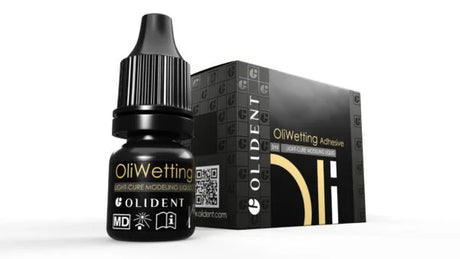
In the precision-driven Egyptian dental market, achieving perfect anatomical contours and marginal adaptation is what distinguishes elite restorative work. Wetting resin materials are essential for clinicians who utilize advanced layering techniques, as they act as a lubricant to prevent composite “pull-back” on instruments during placement. Unlike traditional adhesives, professional wetting resin materials are typically solvent-free and unfilled, allowing smooth manipulation of resin without compromising the physical properties or bond strength of the restoration. These materials are often used in conjunction with etching & bonding materials to support optimal adhesion and handling during restorative procedures.
At MedSTA, we provide high-quality wetting resin materials that facilitate the adaptation of the composite to the cavity floor and help in thinning out increments for highly aesthetic anterior cases. By integrating these materials into your workflow, you can virtually eliminate “white lines” and marginal gaps, ensuring a high-standard finish for every patient.
How to Choose the Right Wetting Resin Materials for Your Practice
-
Solvent-Free Composition: Ensure the wetting resin materials you choose are 100% solvent-free (no acetone or ethanol). Solvents can degrade the composite matrix and lead to premature wear or discoloration of the restoration over time.
-
Film Thickness (Microns): Prioritize wetting resin materials with an ultra-low film thickness. A thin resin layer ensures that you can adapt the composite to the margins without adding bulk or altering the final shade of the tooth.
-
HEMA-Free Options: For high-aesthetic anterior work, consider wetting resin materials that are HEMA-free. This reduces the risk of long-term "yellowing" or water absorption, maintaining the brightness of the restoration in the local climate.
-
Chemical Compatibility (Bis-GMA): Verify that the wetting resin materials are compatible with all Bis-GMA based light-cure composites. This ensures a seamless chemical bond between the layers of the restoration, preventing delamination.
-
Light-Curing Characteristics: Opt for materials that have a refractive index similar to composite resins. This allows the curing light to pass through the wetting resin materials effectively, ensuring a full depth of cure for the entire restoration.