

Kp KevinPeter
KP Smile2 Scan Intraoral Scanner
Very low stock (4 units)Regular price LE 125,000.00 EGPUnit price /Unavailable-
- 26% off
Fussen
Fussen S6500 IntraOral scanner
Low stock (10 units)Sale price LE 125,000.00 EGP Regular price LE 170,000.00Unit price /Unavailable -

Runyes
Runyes 3ds V5 Intraoral Scanner
Low stock (10 units)Regular price LE 220,000.00 EGPUnit price /Unavailable
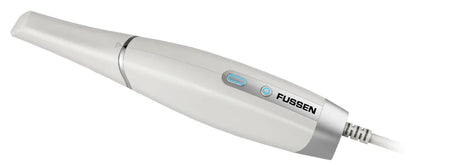
Fussen
Fussen Intraoral Scanner S6000
Low stock (10 units)Regular price LE 120,000.00 EGPUnit price /Unavailable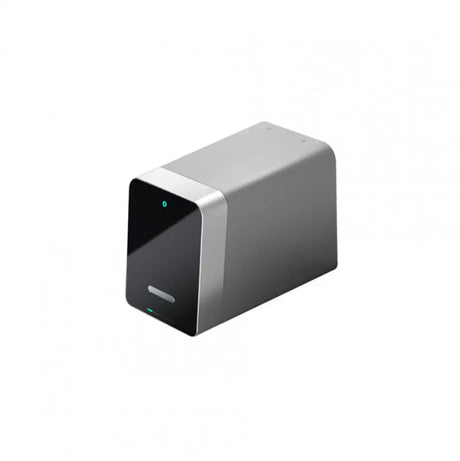 8% off
Woodpecker
Woodpecker Free Scan PSP Scanner
Very low stock (5 units)Sale price LE 175,000.00 EGP Regular price LE 190,000.00Unit price /Unavailable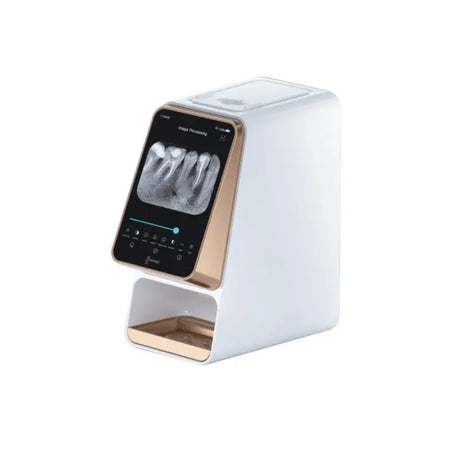
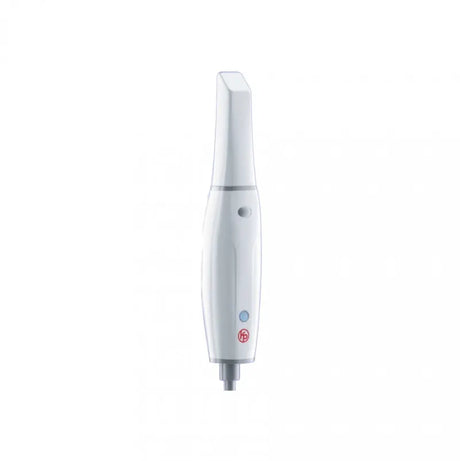
Woodpecker
Very low stock (5 units)Regular price LE 265,000.00 EGPUnit price /Unavailable


How to Choose the Right Intraoral Digital Scanner for Your Practice
- Scan Technology — Confocal laser or structured-light scanning determines accuracy and how well the scanner handles moisture/reflective surfaces intraorally; most modern chairside units use structured light with powder-free capture.
- Accuracy (Trueness/Precision) — Full-arch accuracy in the 50–100 micron range is adequate for single-unit crowns; sub-50 micron trueness is preferred for full-arch implant or multi-unit bridge cases where cumulative error compounds.
- Open vs. Closed Export Format — Open-architecture scanners exporting standard STL/PLY files can route to any external lab or mill; closed-system scanners lock the file to the manufacturer’s own CAD/CAM ecosystem.
- Scanning Speed and Wand Size — Frame rate and tip diameter affect chair-time and patient comfort, particularly for scanning a full arch versus a single quadrant for a crown preparation.
- Software Feature Set — Built-in shade capture, bite registration, and orthodontic simulation modules vary by system and should match the practice’s restorative versus orthodontic case mix.
- Wand Sterilisation Method — Autoclavable tips versus disposable sleeve-covered tips affects per-patient turnaround and infection-control workflow between scans.
Intraoral Scanner vs. Lab Scanner
| Feature | Intraoral (Chairside) Scanner | Lab (Desktop) Scanner |
|---|---|---|
| Captures | Direct scan inside the patient’s mouth | Physical model/impression on a lab bench |
| Used By | Chairside dentist during the visit | Dental laboratory technician |
| Typical Output | STL for same-visit or lab-routed CAD/CAM | STL for milling/printing from a cast model |
| Case Fit | Crowns, aligners, implant cases without a model | Cases still using conventional impressions/casts |
Availability & Delivery in Egypt
MedSTA supplies intraoral digital scanners in EGP with delivery across Cairo, Giza, Alexandria, and other Egyptian governorates, with onboarding support for clinics adopting a digital impression workflow for the first time.
Frequently Asked Questions
What accuracy should an intraoral scanner have for implant cases?
What accuracy should an intraoral scanner have for implant cases?
Full-arch implant cases benefit from a scanner with sub-50 micron trueness, since scan error compounds across multiple abutment positions; single-unit crown preparations are adequately served by scanners in the 50–100 micron range.
Is an intraoral scanner the same as a dental lab scanner?
Is an intraoral scanner the same as a dental lab scanner?
No. An intraoral scanner captures a direct optical impression inside the patient’s mouth at chairside, while a lab scanner is a desktop device that scans a physical plaster model or conventional impression on the laboratory bench — the two serve different points in the same digital workflow.
Can an intraoral scanner replace conventional PVS impressions completely?
Can an intraoral scanner replace conventional PVS impressions completely?
For most single-unit and multi-unit fixed restorative and orthodontic aligner cases, yes. Deep subgingival margins or heavily bleeding preparation sites can still be easier to capture with a well-executed conventional impression, so many Egyptian practices keep both workflows available.
What file format do I need to send a digital scan to a dental lab in Egypt?
What file format do I need to send a digital scan to a dental lab in Egypt?
Open-architecture scanners export standard STL or PLY files accepted by any CAD/CAM-equipped Egyptian dental laboratory, while closed-system scanners may restrict export to the manufacturer’s own design and milling ecosystem, so confirm export compatibility before purchase.
Does MedSTA supply intraoral digital scanners with training in Egypt?
Does MedSTA supply intraoral digital scanners with training in Egypt?
Yes. MedSTA supplies intraoral digital scanners from Runyes, Fussen, Eighteeth, and Elephant across Egypt, priced in EGP, with onboarding support for clinics adopting a digital impression workflow for the first time.