• Free shipping over 5000E£

  • Free help & advice

  • Hassle-free returns

  • Open 7 days a week

50% Off shipping fee

receiveup to 50% off shipping costs of orders above 500LE

SHIPPING50

Dental Matrix Rings for Precise Restorations in Egypt

(16 products)

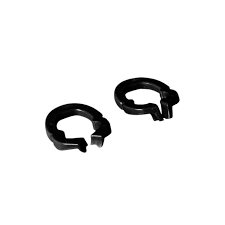
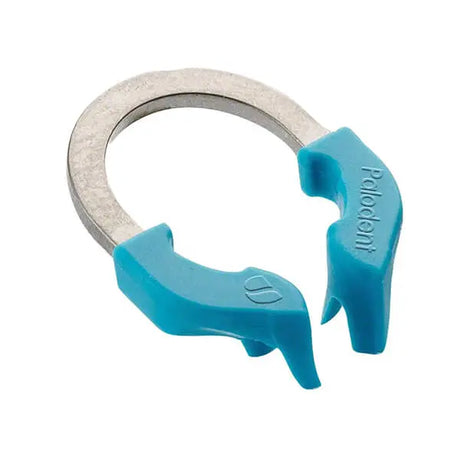
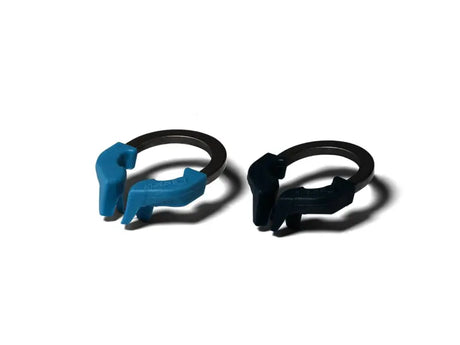
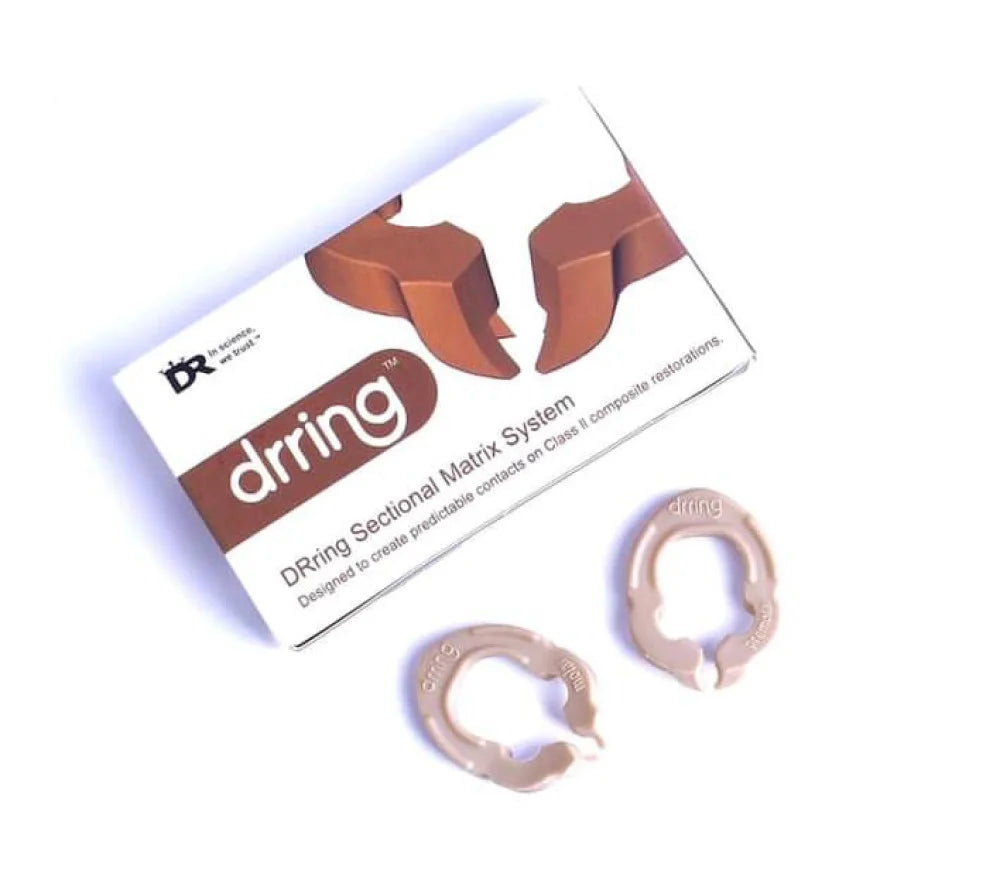
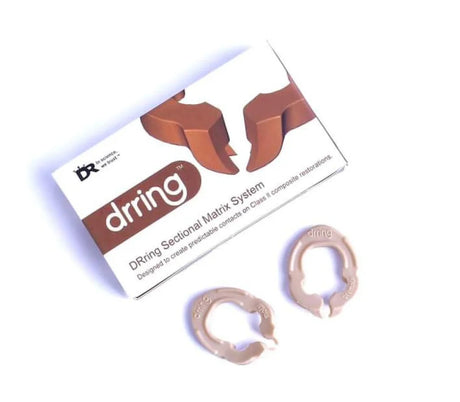
Creating a predictable "snap" contact in Class II composite restorations is one of the most challenging tasks in restorative dentistry. In the Egyptian market, practitioners increasingly rely on Dental Matrix Rings to provide the necessary mechanical tooth separation and marginal adaptation. These rings serve as the active component in sectional systems, ensuring that Dental Matrix Materials are pressed firmly against the tooth structure to eliminate overhanging margins and minimize chairside finishing time. At MedSTA, our online dental store provides a curated selection of Nickel-Titanium and stainless steel rings designed for clinical durability and high-tension performance. By utilizing high-standard Dental Matrix Rings, local clinicians can consistently produce anatomical proximal contacts that prevent food impaction and enhance the long-term success of their restorative work.

How to Choose the Right Dental Matrix Rings for Your Practice

Nickel-Titanium (NiTi) Elastic Memory: Prioritize dental matrix rings manufactured from NiTi alloy. This material offers superior "elastic memory," ensuring the ring maintains its original shape and separation force over hundreds of uses, unlike traditional stainless steel which is prone to permanent deformation.

Separation Force Calibration: Choose rings that provide a consistent separation force (typically calibrated to 4–5 lbs). This force is technically required to slightly move the teeth apart, compensating for the thickness of the matrix band to ensure a tight contact once the ring is removed.

Anatomical Tine Design: Opt for Dental Matrix Rings with silicone-enhanced or V-shaped tines. These specialized tips allow the ring to "hug" the wedge and adapt the matrix band to the natural curvature of the tooth, preventing the band from collapsing into the cavity box.

Low-Profile Stackability: For complex MOD restorations, select a system with a low-profile design. This allows for the "stacking" of two Dental Matrix Rings on the same tooth or adjacent teeth without mechanical interference, a common requirement in high-volume restorative practices.

Autoclave Durability and Longevity: Ensure the rings are rated for at least 500+ sterilization cycles at 134°C. High-quality materials resist the corrosion and loss of tension that often occur during the rigorous sterilization protocols required in the local clinical environment.

View as

FAQs

Why do my Dental Matrix Rings slip during placement? 

Slippage is often caused by incorrect tine positioning or interference from an oversized wedge. For maximum stability, ensure the tines of the Dental Matrix Rings sit securely on the interproximal "V" of the wedge.

Can I use Dental Matrix Rings for MOD restorations? 

Yes. Many modern systems featured in our online dental store are designed to be "stackable." This allows you to place one ring for the mesial contact and another for the distal contact simultaneously.

How do I restore the tension in my Dental Matrix Rings? 

Stainless steel rings that have lost tension generally cannot be restored and should be replaced. However, NiTi Dental Matrix Rings are engineered to return to their original shape automatically after each use.

Are the silicone tips on the rings autoclavable? 

Yes, the professional-grade Dental Matrix Rings we supply feature high-temperature medical-grade silicone tips that can safely withstand 134°C autoclave cycles without losing their grip or shape.

Which ring should I use for a very wide cavity preparation? 

For wide-access preparations where a standard ring might distort the band, use a "long-tine" or "wide-prep" ring. These have wider feet designed to span across the wide cavity while still providing the necessary separation force.

Compare /5

Loading...