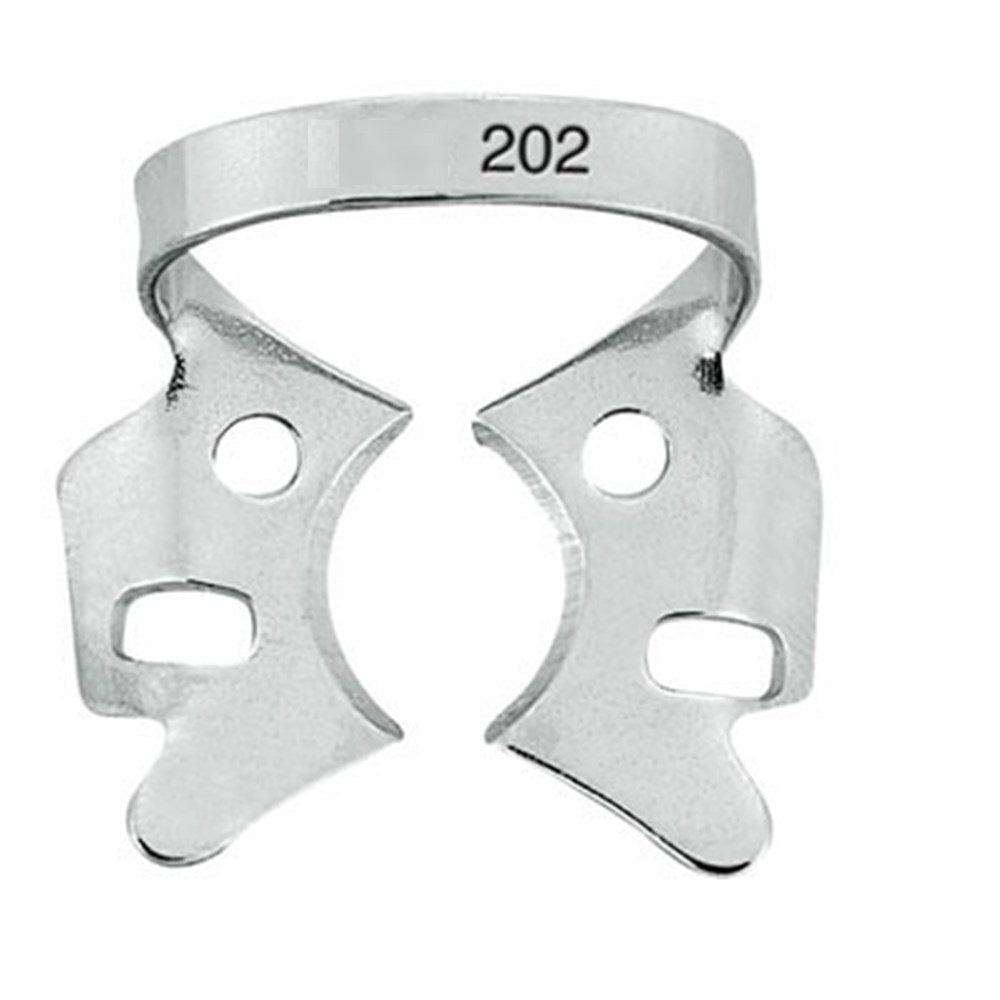
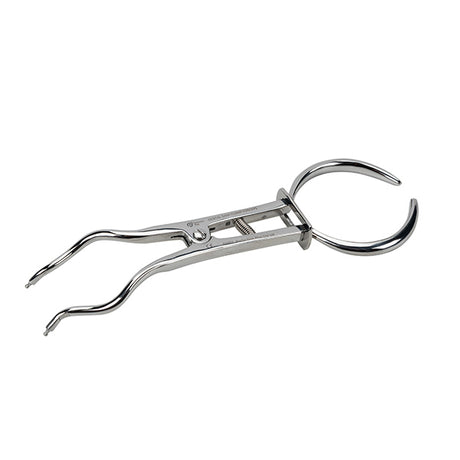
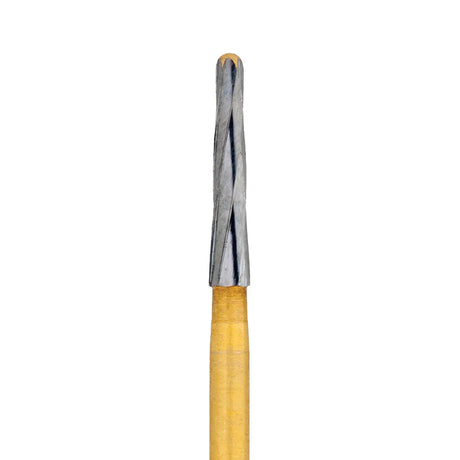
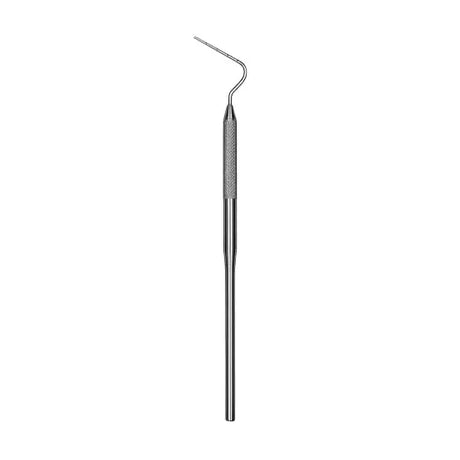
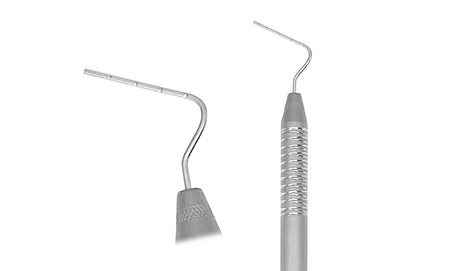
The clinical success of root canal therapy is fundamentally dependent on the quality and precision of the endodontic instruments used throughout the procedure. In the high-standard Egyptian dental market, practitioners encounter diverse anatomical challenges, from calcified orifices to severely curved canals, requiring a specialized toolkit beyond standard restorative burs. At MedSTA, we provide a comprehensive range of endodontic instruments designed to enhance tactile sensitivity and procedural safety. Our selection includes high-performance access burs, hand pluggers, and specialized retrieval tools, all serving as vital components of our professional Endodontic Supplies. By utilizing premium-grade endodontic instruments, local clinicians can minimize the risk of procedural errors, such as shelf-formation or perforations, ensuring predictable outcomes for every patient.
How to Choose the Right Endodontic Instruments for Your Practice
Access Bur Tip Geometry: Prioritize Endodontic Instruments like the Endo-Z bur, which features a non-cutting "safe-end" tip. This technical specification is critical during the axial wall expansion phase, as it prevents accidental gouging or perforation of the pulpal floor.
Stainless Steel Grade (AISI 420): Ensure that all manual Endodontic Instruments, such as pluggers and excavators, are manufactured from AISI 420 surgical-grade stainless steel. This material ensures the tools maintain their structural integrity and resist corrosion during repeated 134°C autoclave cycles.
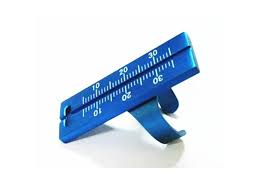
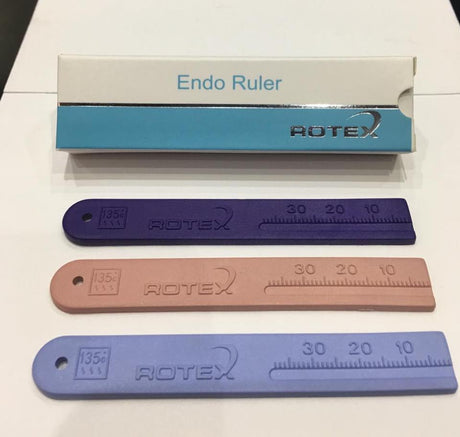
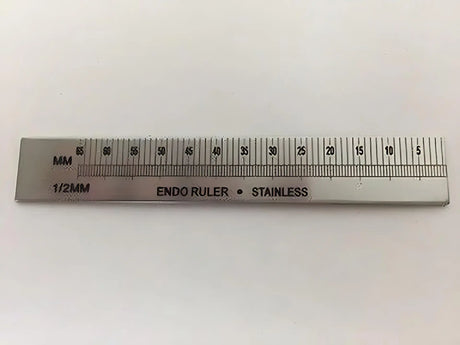
Calibration and Depth Markings: Choose Endodontic Instruments with laser-etched millimeter markings. Clear, permanent depth gauges are essential for maintaining accurate working length control, especially when navigating deep canal systems where visibility is limited.
Handle Diameter and Weight: Opt for Endodontic Instruments with large-diameter, lightweight handles (typically 10mm). Ergonomic handles significantly improve tactile feedback and reduce clinician hand fatigue during the intensive cleaning and shaping phases of the treatment.
NiTi vs. Stainless Steel Working Ends: Select your Endodontic Instruments based on the canal curvature. Nickel-Titanium (NiTi) tips are superior for navigating curved morphologies due to their elastic memory, while stainless steel tips provide the necessary rigidity for straight canals or bypass procedures.