
BMS
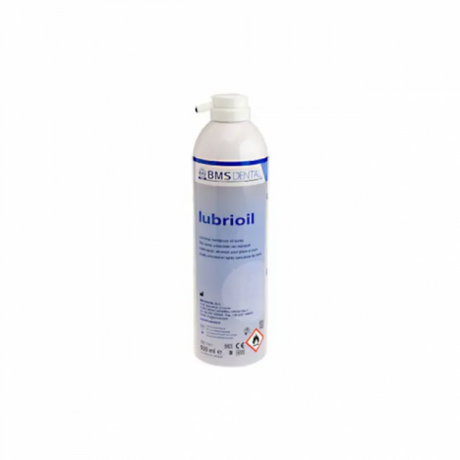
BMS Lubrioil handPiece OIL SPRAY 500ML
In stock (285 units)Regular price LE 470.00 EGPUnit price /Unavailable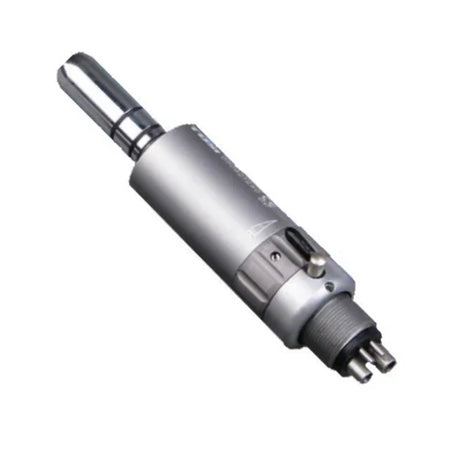
Vigor dental
Very low stock (5 units)Regular price LE 1,050.00 EGPUnit price /Unavailable
Vigor dental
Vigor Lowspeed Push button contra angle
Very low stock (4 units)Regular price LE 950.00 EGPUnit price /Unavailable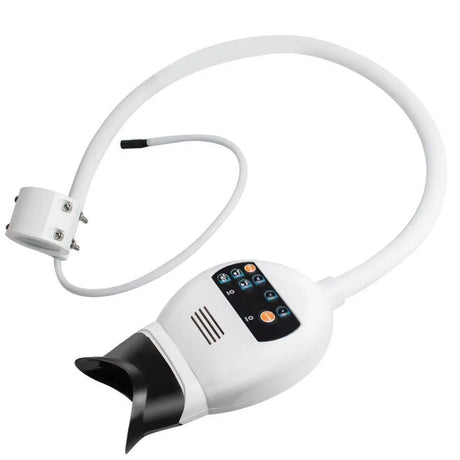
GENERIC
Atlas Bleaching Device 14 Lamps
Very low stock (3 units)Regular price LE 3,950.00 EGPUnit price /Unavailable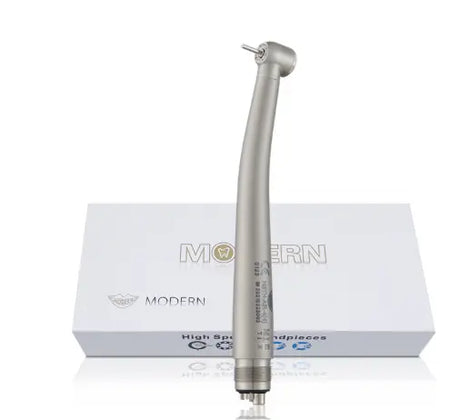
Modern
MODERN contra high speed MINI HEAD M1 TI
Low stock (19 units)Regular price LE 1,850.00 EGPUnit price /Unavailable
Woodpecker
Woodpecker I-LED MAX Light Cure
Very low stock (1 unit)Regular price LE 4,750.00 EGPUnit price /Unavailable
Zafdent
Zafdent Handpiece PRO H.T anti retraction Triple High speed handpiece
Very low stock (3 units)Regular price LE 2,150.00 EGPUnit price /Unavailable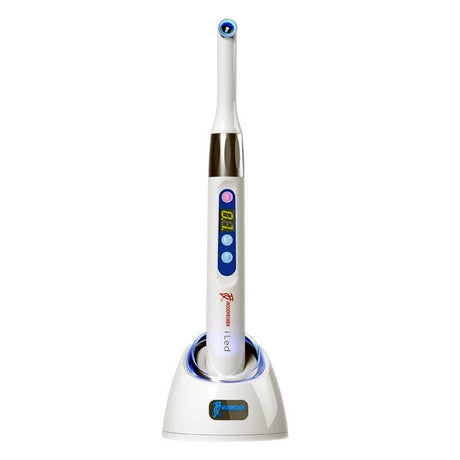
Woodpecker
Very low stock (2 units)Regular price LE 3,975.00 EGPUnit price /Unavailable
SHM
Low stock (12 units)Regular price LE 1,339.00 EGPUnit price /Unavailable
Asnanco
Very low stock (4 units)Regular price LE 500.00 EGPUnit price /Unavailable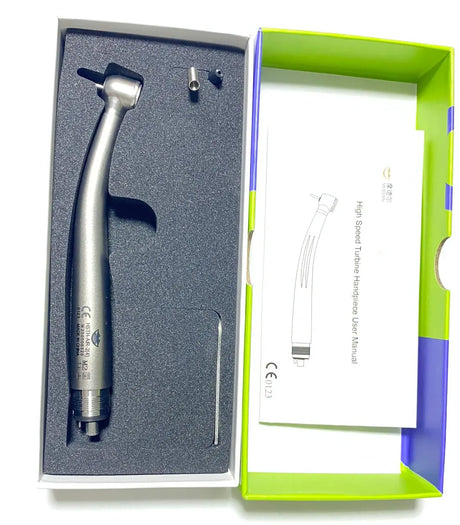
Modern
MODERN Contra high speed MODERN HIGH TORQUE M2 TI
Very low stock (4 units)Regular price LE 1,900.00 EGPUnit price /Unavailable
Eighteeth
Eighteeth Curing Pen E Light Cure
Very low stock (3 units)Regular price LE 3,500.00 EGPUnit price /Unavailable
Vector
Alpha Aire low speed push button handpiece
Very low stock (2 units)Regular price LE 1,550.00 EGPUnit price /Unavailable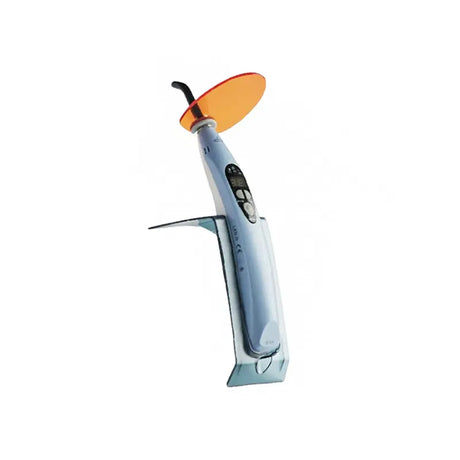
Woodpecker
Very low stock (3 units)Regular price LE 2,720.00 EGPUnit price /Unavailable
Refine
Refine MaxCure 3 Pro Light Cure
Low stock (10 units)Regular price LE 2,500.00 EGPUnit price /Unavailable


How to Choose Restorative and Prosthodontic Devices for Your Practice
- Light curing unit irradiance — A minimum of 800 mW/cm² is required for reliable composite polymerisation at standard 20-second intervals. Units delivering below 400 mW/cm² require extended cure times that increase technique sensitivity and shrinkage stress in Egyptian restorative practice.
- Handpiece speed range — High-speed turbines (400,000–500,000 RPM) are used for crown preparation; low-speed electric motors (0–40,000 RPM) for finishing and endodontic preparation. Electric handpieces maintain constant torque at variable speeds — preferable for Egyptian endo practices that rely on torque-controlled rotary filing.
- Electric motor vs air-driven — Electric motors provide consistent torque regardless of load, allowing precise speed control for composite finishing and NiTi file systems. Air-driven motors require a compressor and can vary in performance with Egyptian clinic air supply pressure fluctuations.
- Handpiece lubrication requirements — All air-driven handpieces require regular oil lubrication (0.5 mL before and after sterilisation) to maintain bearing life. Egyptian summer heat accelerates lubricant evaporation — lubricate every session, not just daily.
- Light curing unit wavelength — Monowave LED units (430–480 nm blue) cure most methacrylate-based composites. Polywave units covering 380–520 nm are required for camphorquinone-free composites and some CAD/CAM cements used in Egyptian prosthodontics.
- Sterilisation compatibility — Confirm the handpiece is rated for autoclave sterilisation at 134°C/3 bar and specifies a minimum number of cycles. Some budget handpieces sold in Egypt are rated for fewer than 50 cycles.
Restorative Device Comparison
| Device Type | Key Spec | Clinical Use | EGP Range |
|---|---|---|---|
| Light Curing Unit | ≥800 mW/cm² | Composite polymerisation | 3,000–15,000 |
| High-Speed Turbine Handpiece | 400,000–500,000 RPM | Crown and cavity preparation | 2,000–12,000 |
| Low-Speed Contra-angle | 0–40,000 RPM | Finishing, polishing, endo prep | 1,000–8,000 |
| Electric Motor + Contra-angle | Constant torque at any speed | Endo prep, composite finishing | 5,000–20,000 |
| Handpiece Oil Spray | Mineral or ester-based | Bearing lubrication | 40–500 |
Availability & Delivery in Egypt
MedSTA supplies restorative and prosthodontic devices — handpieces, light curing units, electric motors, and maintenance accessories — to dental practices across Egypt with EGP pricing and fast delivery. All devices are 220V-compatible. Handpiece maintenance accessories, including oil sprays and lubricating racks, are stocked separately for clinics managing existing handpiece fleets.
Frequently Asked Questions
What minimum irradiance should a dental light curing unit have for reliable composite polymerisation?
What minimum irradiance should a dental light curing unit have for reliable composite polymerisation?
A light curing unit must deliver at least 800 mW/cm² at the curing tip for reliable polymerisation of standard dimethacrylate composites at 20-second cure intervals. Units below 400 mW/cm² require extended cure times that increase shrinkage stress and risk incomplete conversion at the restoration base. Test irradiance with a radiometer annually — LED output degrades over time in all curing light platforms.
What is the difference between an air-driven and an electric dental handpiece?
What is the difference between an air-driven and an electric dental handpiece?
Air-driven turbine handpieces reach 400,000–500,000 RPM with light torque — ideal for cutting with diamond burs but sensitive to air supply pressure variations common in Egyptian clinic compressors. Electric handpieces deliver constant torque at any speed (0–40,000 RPM), making them preferable for NiTi rotary endodontics, composite finishing, and precise surgical preparation where speed control matters.
How often should dental handpieces be lubricated in Egyptian clinic conditions?
How often should dental handpieces be lubricated in Egyptian clinic conditions?
Air-driven handpieces should be lubricated before and after every autoclave cycle — 0.3–0.5 mL of manufacturer-recommended oil sprayed into the air inlet for 5 seconds, then run dry to purge excess. Egyptian summer heat above 38°C causes lubricant to evaporate faster than in temperate climates; clinics that lubricate only once per day — rather than per sterilisation cycle — report significantly shorter handpiece bearing life in the Egyptian market.
Can I use any handpiece oil brand in my dental handpiece?
Can I use any handpiece oil brand in my dental handpiece?
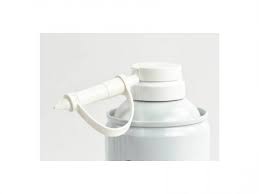
Not all handpiece oils are compatible with all bearings. Turbine handpieces require low-viscosity mineral or ester-based oil rated for speeds above 300,000 RPM. Multi-purpose machine oils (automotive or general-purpose lubricants) damage turbine bearings and void manufacturer warranties. BMS Lubrioil and the generic tip oil spray stocked by MedSTA are suitable for most air-turbine and contra-angle handpieces — verify your handpiece manufacturer’s recommended viscosity before switching brands.
Does MedSTA supply restorative and prosthodontic devices across Egypt?
Does MedSTA supply restorative and prosthodontic devices across Egypt?
MedSTA supplies restorative and prosthodontic devices — light curing units, handpieces, electric motors, and accessories — to dental clinics across Egypt including Cairo, Giza, Alexandria, and all Egyptian governorates. All devices are 220V/50Hz compatible. Handpiece maintenance accessories such as oil sprays are stocked in quantities suited to Egyptian clinic volumes, from single-unit purchases to monthly supply contracts.