

ZT DENTAL
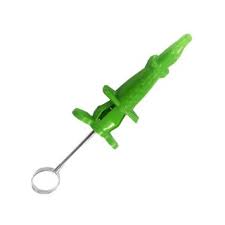
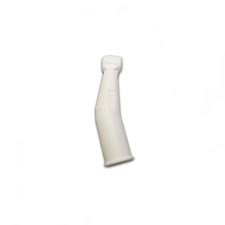
silicone autoclavable sleeves for contra
Low stock (10 units)Regular price LE 130.00 EGPUnit price /Unavailable
How to Choose Dental Barrier Sleeves for Your Practice
- Silicone Autoclavable vs Disposable PE — Silicone sleeves withstand 134°C Class B steam sterilization and can be reused across multiple cycles. Disposable PE (polyethylene) sleeves are single-use, eliminating the sterilization step. Silicone is preferred in clinics with structured sterilization workflows; PE is more practical for very high-turnover environments where reprocessing time is a constraint.
- Inner Diameter Compatibility — Contra-angle handpiece bodies typically measure 28–32 mm outer diameter; syringe barrels measure 8–12 mm OD. Confirm the sleeve’s inner diameter (ID) and sleeve length against your specific instrument models. Sleeves that are too tight restrict handpiece heat dissipation; too loose sleeves migrate and break the barrier seal.
- Material Thickness (PE Sleeves) — PE barrier sleeves range from 30–80 µm wall thickness. Thicker PE (60–80 µm) resists tearing during fitting and provides a more robust physical barrier. Thinner PE is cost-effective but prone to pinhole formation during fitting onto textured handpiece bodies.
- Sleeve Length — Sleeves should cover the full body of the instrument being protected plus extend past the tubing connection point. Contra-angle sleeves are typically 150–180 mm; syringe sleeves are 200–250 mm including tip coverage.
- Autoclave Cycle Rating (Silicone) — Medical-grade silicone sleeves are rated for 200–500 autoclave cycles depending on wall thickness and quality. Inspect sleeves for surface cracking, colour change, or dimensional distortion after every 50 cycles as a standard practice maintenance check.
Needle Sleeve Types at a Glance
| Type | Material | Sterilizable | Best For |
|---|---|---|---|
| Silicone Contra-angle Sleeve | Medical-grade silicone | Yes — 134°C, 200+ cycles | Reusable handpiece barrier in sterile workflow |
| PE Syringe Sleeve | Polyethylene (PE) | No — single use | High-throughput single-use barrier protocols |
| PE Contra-angle Cover | PE 60–80 µm | No — single use | Budget infection control; disposable alternative |
Availability & Delivery in Egypt
Dental barrier sleeves at MedSTA are priced in EGP with nationwide delivery across Egypt. Store silicone sleeves in a clean, dry tray away from sharp instruments that could nick the surface. Disposable PE sleeves should be stored in sealed bags to prevent dust accumulation in clinic environments.
Frequently Asked Questions
What is the difference between silicone and PE dental handpiece sleeves?
What is the difference between silicone and PE dental handpiece sleeves?
Silicone sleeves are reusable and autoclavable at 134°C for hundreds of sterilization cycles, making them cost-effective in structured sterilization workflows. PE (polyethylene) sleeves are disposable single-use covers that are cheaper per unit but generate waste. The choice depends on your sterilization throughput: silicone suits clinics with a dedicated decontamination area; PE suits high-throughput clinics prioritising speed over reprocessing.
How do I know which sleeve size fits my dental handpiece?
How do I know which sleeve size fits my dental handpiece?
Measure the outer diameter (OD) of the handpiece body at its widest point using calipers. Contra-angle handpieces typically have OD values of 28–32 mm; air-water syringes 8–12 mm OD. Select a sleeve with an inner diameter 1–2 mm smaller than the OD for a snug fit. Sleeve manufacturers publish OD compatibility tables — request one before ordering for a new handpiece model.
How thick should a PE barrier sleeve be for effective infection control?
How thick should a PE barrier sleeve be for effective infection control?
A minimum of 60 μm (0.06 mm) wall thickness is recommended for reliable infection-control barrier performance. Thinner PE (30–40 μm) tears more easily during fitting and is prone to pinhole formation, particularly when fitted over textured handpiece bodies. Verify the advertised thickness on the product datasheet — not all disposable sleeves on the market meet clinical-grade specifications.
How many autoclave cycles can a silicone handpiece sleeve withstand?
How many autoclave cycles can a silicone handpiece sleeve withstand?
Medical-grade silicone sleeves of adequate wall thickness (2–3 mm) typically withstand 200–500 Class B autoclave cycles (134°C) before surface degradation is evident. Inspect every 50 cycles for surface micro-cracking, colour yellowing, or dimensional distortion. Silicone sleeves that show visible degradation should be replaced regardless of cycle count to maintain barrier integrity.
Are dental handpiece barrier sleeves required by Egyptian infection control regulations?
Are dental handpiece barrier sleeves required by Egyptian infection control regulations?
Egyptian dental infection-control guidelines recommend use of barrier sleeves or regular surface disinfection protocols for handpiece bodies and air-water syringes that cannot be sterilized between patients. For practices following international infection-control standards (ADA, CDC, OSAP guidelines), barrier sleeves on non-sterilizable handpiece exteriors are explicitly recommended. MedSTA stocks both silicone and disposable PE sleeve options for full protocol compliance.