• Free shipping over 5000E£

  • Free help & advice

  • Hassle-free returns

  • Open 7 days a week

50% Off shipping fee

receiveup to 50% off shipping costs of orders above 500LE

SHIPPING50

Sterilization Equipment in Egypt

(10 products)

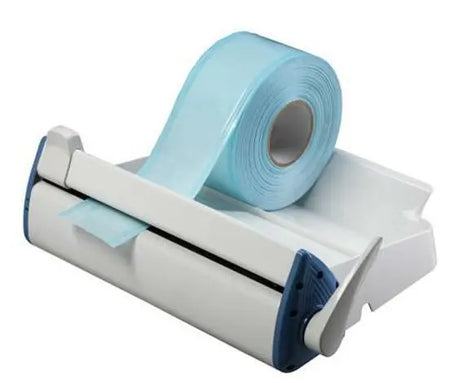
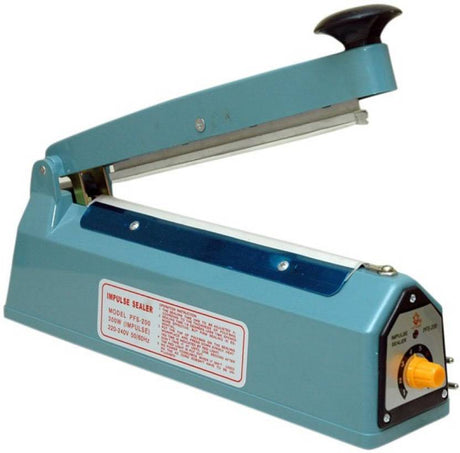
In the modern Egyptian dental market, the integrity of clinical practice is defined by the reliability of your Sterilization Equipment. As patient awareness regarding infection control increases, implementing a rigorous, multi-stage reprocessing cycle is no longer optional for professional practitioners. At MedSTA, we provide high-performance Sterilization Equipment ranging from Class B autoclaves to ultrasonic cleaners and thermal sealing machines designed to eliminate 100% of microbial life. As a central pillar of your professional Dental Equipment setup, these systems ensure that every instrument, from simple explorers to complex surgical handpieces, meets international safety standards. By investing in premium Sterilization Equipment, local practitioners protect both their patients and their clinical reputation while ensuring full compliance with healthcare quality regulations.

How to Choose the Right Sterilization Equipment for Your Practice

Autoclave Classification (Class B vs. Class N): For maximum safety, always prioritize Class B Sterilization Equipment. Class B autoclaves utilize a fractional vacuum pump to remove air from the chamber, which is technically required to sterilize hollow instruments and porous loads that traditional Class N units cannot reach.

Chamber Volume and Capacity (Liters): Choose a chamber size (typically 18L or 23L) based on your daily patient volume. A larger 23-liter unit is essential for high-volume clinics to reduce the number of cycles per day, effectively extending the lifespan of the heating elements and vacuum pumps.

Integrated Data Logging and Traceability: Prioritize Sterilization Equipment equipped with a USB port or a built-in printer. Real-time cycle recording is a vital technical requirement for clinical documentation and legal verification, proving that every load reached the necessary temperature and pressure parameters.

Ultrasonic Frequency and Cavitation Power: When selecting pre-cleaning Sterilization Equipment, look for ultrasonic cleaners with a frequency between 35 kHz and 45 kHz. This range ensures deep cavitation to remove biological debris from the intricate flutes of files and burs before they enter the autoclave.

Safety Sensor Redundancy: Ensure your Sterilization Equipment features dual-stage locking mechanisms and automatic pressure/temperature sensors. These safety protocols prevent the door from opening under pressure and provide error codes if a cycle is compromised, ensuring only 100% sterile instruments are used.


View as

FAQs

What is the primary advantage of Class B Sterilization Equipment over Class N? 

Class B Sterilization Equipment uses a vacuum pulse to remove air, allowing steam to penetrate the internal lumens of handpieces and turbines. Class N relies on gravity and is only suitable for solid, un-bagged instruments.

Why is using distilled water mandatory for Sterilization Equipment? 

Tap water contains minerals that cause scale buildup on the internal sensors and valves of your Sterilization Equipment. Using high-purity distilled water prevents "spotting" on instruments and protects the autoclave’s heating chamber from corrosion.

How often should I perform a biological test on my Sterilization Equipment? 

To ensure maximum clinical safety, it is recommended to perform a biological spore test (using Geobacillus stearothermophilus) weekly or monthly. This is the only way to verify that the Sterilization Equipment is actually killing all bacterial spores.

Can I sterilize plastic items in professional Sterilization Equipment? 

Only if the plastic is specifically labeled as "Autoclavable" (e.g., high-temperature polycarbonate or silicone). Most Sterilization Equipment offers a 121°C cycle specifically for sensitive materials to prevent melting or warping.

How should I maintain the door gasket of my Sterilization Equipment? 

The silicone gasket should be wiped daily with a damp, lint-free cloth to remove debris. Local practitioners should replace the gasket every 6–12 months to ensure the Sterilization Equipment maintains a perfect vacuum seal during the air-removal phase.

Compare /5

Loading...