


Shofu
SHOFU BEAUTIFUL Composite Compules
Very low stock (4 units)Regular price From LE 99.00 EGPUnit price /Unavailable
Prime-Dent
Low stock (9 units)Regular price LE 224.00 EGPUnit price /Unavailable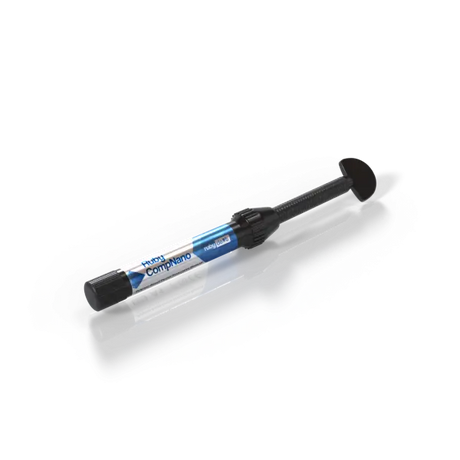
incidental
Ruby Compo Nano Radiopaque Nano Hybrid Composite 4 g
Low stock (14 units)Regular price LE 190.00 EGPUnit price /Unavailable
DentsplySirona
DentsplySirona Neo Spectra ST Effect composite compules
In stock (71 units)Regular price From LE 160.00 EGPUnit price /UnavailableMeDental
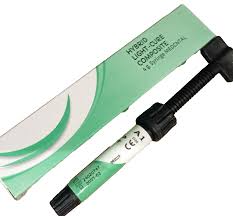
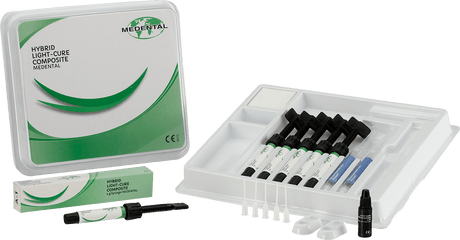
Medental HYBRID LIGHT CURE COMPOSITE 4 g
In stock (59 units)Regular price LE 190.00 EGPUnit price /Unavailable-

DentsplySirona
Dentsply Neo SPECTRA ST LV COMPULES 0.25 g
In stock (25 units)Regular price From LE 160.00 EGPUnit price /Unavailable
Ivoclar vivadent
Ivoclar Te-Econom Plus Refill Composite 4g
Low stock (13 units)Regular price LE 595.00 EGPUnit price /Unavailable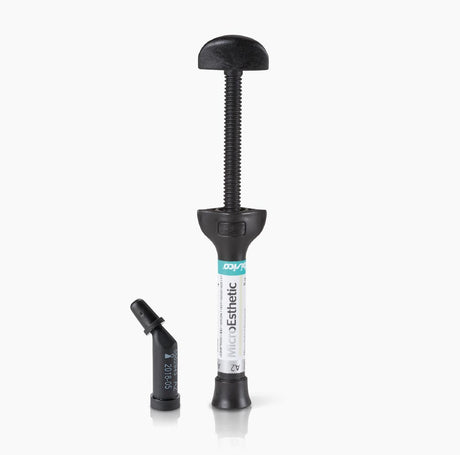
Bisico
Bisico Micro Esthetic microhybrid composite 5 g
In stock (25 units)Regular price LE 900.00 EGPUnit price /Unavailable
Maquira
Maquira Applic resin Nanohybrid composite 4 g
Very low stock (4 units)Regular price LE 375.00 EGPUnit price /Unavailable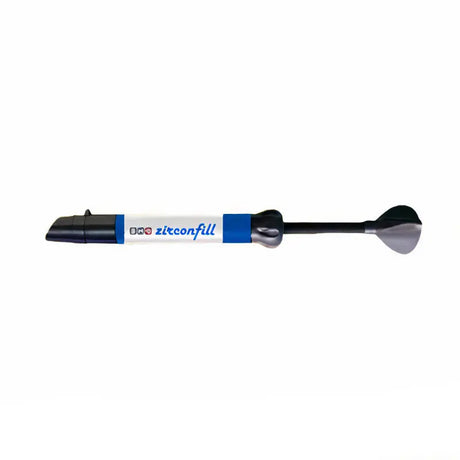 Up to 5% off
Maquira
Maquira ZIRCONFILL Composite 4g
In stock (50 units)Sale price LE 700.00 EGP Regular price LE 735.00Unit price /Unavailable
meta biomed
Meta Biomed Nexcomp Composite (4g)
Low stock (14 units)Regular price LE 310.00 EGPUnit price /Unavailable
Schutz Dental
Schutz Capo Universal Composite 6.0 g Universal Shade
Very low stock (5 units)Regular price LE 845.00 EGPUnit price /Unavailable
KULZER
Kulzer Charisma Smart Composite Syringe Refill 1 x 4g
Low stock (14 units)Regular price LE 599.00 EGPUnit price /Unavailable
Dentex
Dentex DX Light-Cure Universal Composite
Low stock (11 units)Regular price LE 495.00 EGPUnit price /Unavailable
Shofu
Shofu Beautifil II LS composite 4 g
Very low stock (2 units)Regular price LE 1,245.00 EGPUnit price /Unavailable Up to 16% off
COLTENE
Coltene Brilliant NG Universal Composite Syringe
Low stock (10 units)Sale price LE 490.00 EGP Regular price LE 585.00Unit price /Unavailable




Choosing the Right Composite Resin
- Nanofill Composite — Nanofill composites (e.g. Filtek Supreme) use nano-sized filler particles for superior surface polish and aesthetics. Best for anterior direct veneers, Class III and IV restorations where high-gloss surface finish and colour stability matter most.
- Microhybrid Composite — Microhybrid composites balance aesthetics and strength, making them versatile for both anterior and posterior use. They are the most widely used composite type in Egyptian general practice -- they accept a good polish and have adequate wear resistance for posterior teeth.
- Bulk-Fill Composite — Bulk-fill composites allow incremental depths of 4-5 mm in posterior cavities, reducing placement time. High-viscosity bulk-fills (Tetric EvoCeram Bulk Fill, Filtek Bulk Fill Posterior) require a final oblique increment of conventional composite for surface finish.
- Flowable Composite — Flowable composites have low viscosity and adapt into complex cavity forms, tight boxes and undercuts. Use as a first layer in posterior cavities (stress breaker), for Class V cervical restorations, and as a pit-and-fissure sealant alternative.
- Shade Selection — The Vita Classic shade guide remains the standard reference for composite shade matching in Egyptian practice. Match composite shade to the adjacent natural tooth under clinic lighting, not direct sunlight -- natural daylight gives the most accurate reading.
- Radiopacity — Choose a radiopaque composite for all posterior restorations so recurrent caries can be detected radiographically. All current universal composites meet ISO radiopacity requirements; check the datasheet if using older or budget composite brands.
Composite Resin Types at a Glance
| Type | Filler Size | Best Use | Increment Depth |
|---|---|---|---|
| Nanofill | 20-70 nm | Anterior aesthetics | 2 mm |
| Microhybrid | 0.4-1 um | Anterior and posterior | 2 mm |
| Nanohybrid | 20 nm - 1 um | Universal use | 2 mm |
| Bulk-Fill | Variable | Posterior time-saving | 4-5 mm |
| Flowable | Fine filler, low viscosity | Cervical, base layer, fissures | 1-2 mm |
| Packable (Condensable) | Coarse hybrid | Posterior high stress | 2 mm |
How to Select Composite Resin
- Identify the tooth location and cavity class -- anterior aesthetics need nanofill or nanohybrid.
- Choose bulk-fill for deep posterior cavities where incremental layering would extend appointment time.
- Select flowable for the first layer in Class II cavities and for tight cervical restorations.
- Match the shade to the adjacent natural tooth using a Vita shade guide under natural daylight.
- Confirm radiopacity for posterior use and confirm the material is compatible with your bonding system.
Availability & Delivery in Egypt
MedSTA stocks composite resin from leading dental brands for Egyptian practices with EGP pricing and nationwide delivery. Available in nanofill, microhybrid, bulk-fill and flowable presentations in all Vita shades.
Frequently Asked Questions
What is dental composite resin?
What is dental composite resin?
A tooth-coloured restorative material made of resin matrix and filler particles, used for direct bonded restorations.
Which composite is best for anterior teeth?
Which composite is best for anterior teeth?
Nanofill or nanohybrid composites give the best surface polish and shade stability for anterior direct restorations.
What is bulk-fill composite?
What is bulk-fill composite?
A high-translucency composite designed for 4-5 mm increments in posterior cavities, reducing layering time.
Can composite be used for posterior teeth?
Can composite be used for posterior teeth?
Yes -- microhybrid, nanohybrid and packable composites have adequate wear resistance for posterior restorations.
How long does dental composite last?
How long does dental composite last?
Well-placed composites in posterior teeth last 7-10 years on average; anterior composites typically last longer.
Does composite stain over time?
Does composite stain over time?
All composites stain to some degree; nanofill composites stain less due to superior surface polish retention.
Is dental composite resin available in Egypt from MedSTA?
Is dental composite resin available in Egypt from MedSTA?
Yes -- nanofill, microhybrid, bulk-fill and flowable composites in all Vita shades, priced in EGP.