
GENERIC
In stock (37 units)Regular price LE 205.00 EGPUnit price /UnavailableSleepy tooth
In stock (27 units)Regular price LE 75.00 EGPUnit price /Unavailable-
GENERIC
Low stock (18 units)Regular price LE 10.00 EGPUnit price /Unavailable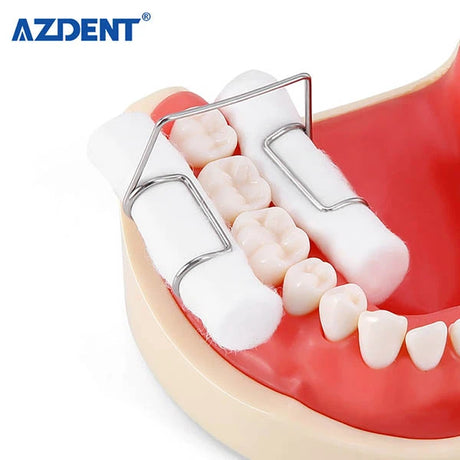
ZT DENTAL
Very low stock (8 units)Regular price LE 50.00 EGPUnit price /Unavailable
GENERIC
In stock (31 units)Regular price From LE 199.00 EGPUnit price /Unavailable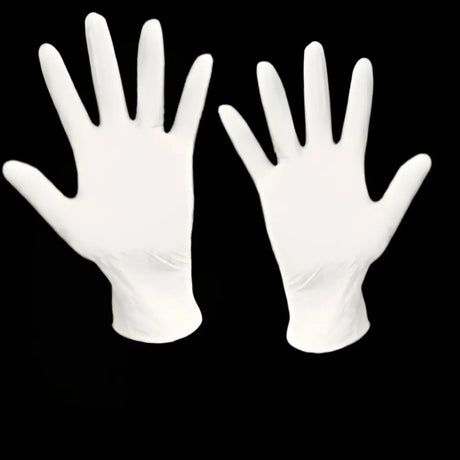
GENERIC
In stock (139 units)Regular price LE 205.00 EGPUnit price /Unavailable
- Up to 2% off
CK Dental
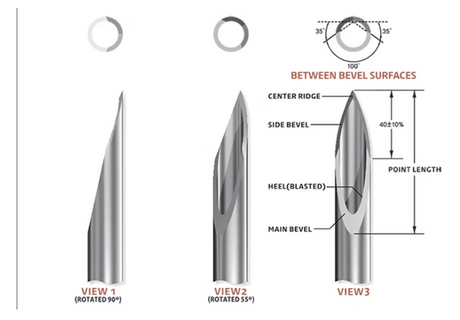
CK Ject Dental injection needles 100 pcs
Very low stock (7 units)Sale price LE 270.00 EGP Regular price LE 275.00Unit price /Unavailable -
GENERIC
In stock (24 units)Regular price LE 17.00 EGPUnit price /Unavailable
GENERIC
Very low stock (7 units)Regular price LE 110.00 EGPUnit price /Unavailable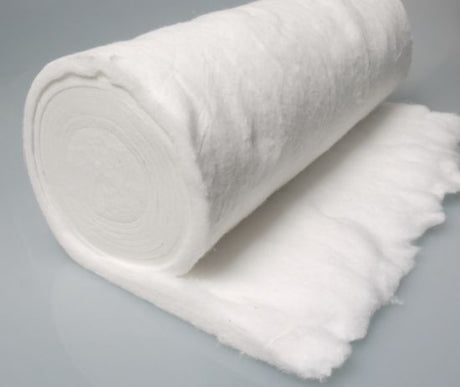
El mahala
COTTON EL MAHALLA - EGYPT (500G)
Low stock (11 units)Regular price LE 99.00 EGPUnit price /UnavailableSpident
In stock (80 units)Regular price From LE 250.00 EGPUnit price /Unavailable-
Euronda
Very low stock (7 units)Regular price LE 155.00 EGPUnit price /Unavailable
GENERIC
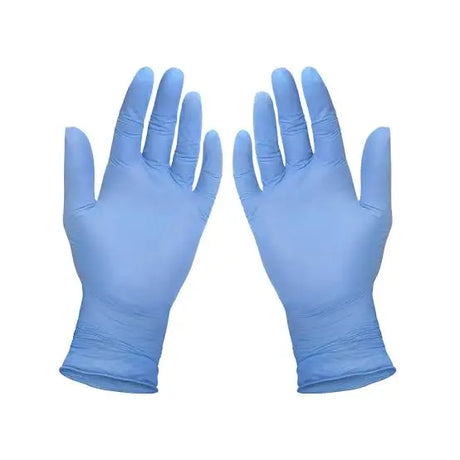
Nitrile Gloves powder Free Black
In stock (27 units)Regular price LE 205.00 EGPUnit price /Unavailable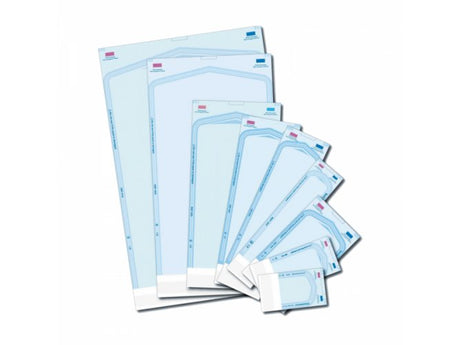
GENERIC
In stock (53 units)Regular price From LE 95.00 EGPUnit price /Unavailable




How to Choose Dental Consumables for Your Clinic
- Examination glove material — nitrile vs latex vs vinyl — Nitrile gloves (acrylonitrile-butadiene rubber) are the current standard: latex-free, chemical-resistant, and available in powder-free examination and surgical grades. They provide superior chemical and puncture resistance compared to vinyl. Latex gloves offer the best tactile sensitivity and elasticity but are contraindicated for patients or staff with latex allergy. Vinyl gloves are the least expensive option, suitable for low-risk, non-clinical tasks only — they have lower puncture resistance and are not recommended for direct patient contact in Egyptian dental procedures.
- Surgical face mask classification (EN 14683 Types I, II, IIR) — Type I masks filter ≥95% of bacteria (BFE ≥95%), suitable for patients only. Type II masks filter ≥98% BFE and are the minimum standard for dental clinicians during clinical procedures. Type IIR masks are splash-resistant (pass the Type II fluid resistance test at 120 mmHg) and are the required standard for aerosol-generating dental procedures (ultrasonic scaling, high-speed drilling) in Egyptian infection control guidelines aligned with WHO recommendations.
- Local anesthesia selection — lidocaine 2% vs articaine 4% — Lidocaine 2% with 1:100,000 epinephrine is the historical reference standard for inferior alveolar nerve blocks (IANB). Articaine 4% with 1:100,000 epinephrine achieves 3–4 times higher plasma protein binding and superior diffusion through cortical bone, making it more effective for buccal infiltration anesthesia in posterior mandibular procedures and reducing the need for supplemental IANB in Egyptian patients with dense mandibular cortical bone. Articaine at 4% requires lower injection volume per tooth than 2% lidocaine — typically 0.9–1.8 ml vs 1.5–3.6 ml.
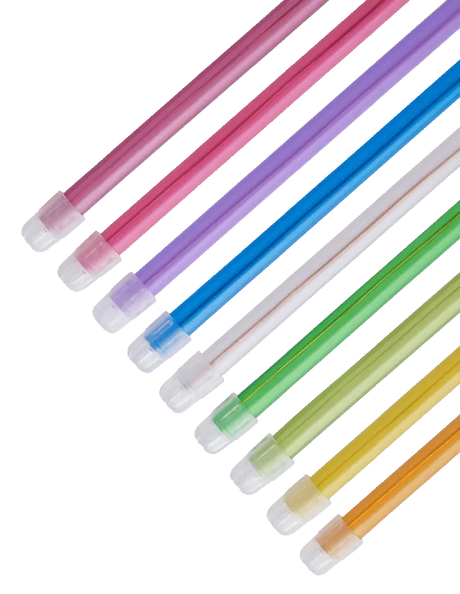
- Suction tip and saliva ejector sizes — High-volume evacuation (HVE) cannulas are required for aerosol control during ultrasonic scaling and air-turbine procedures. Standard HVE tips in 11 mm diameter fit most Egyptian dental unit suction arms. Paediatric HVE tips (7 mm) are necessary for adequate aspiration in children without causing soft tissue suction. Saliva ejectors supplement HVE for continuous passive moisture removal and are not a substitute for HVE in aerosol-generating procedures.
- Infection control products and protocol — A complete infection control consumable set requires: surface disinfectant spray (EN 14885 spectrum B, C, and limited virucidal), hand disinfectant gel (WHO-recommended ABHR), suction line disinfectant (non-foaming), sterilisation indicators, barrier covers for dental unit surfaces, and appropriate sharps disposal containers. Egyptian dental clinics must maintain infection control documentation per Ministry of Health guidelines; ensure consumables used are certified for the required spectrum of activity (Hepatitis B, HIV, SARS-CoV-2).
Dental Consumable Categories at a Glance
| Category | Key Products | Clinical Use |
|---|---|---|
| Gloves | Nitrile, latex, vinyl, sterile | Patient contact and sterile surgery |
| Face Protection | Masks (Type II/IIR), face shields, safety glasses | Aerosol and splatter protection |
| Anesthesia | Local anesthesia cartridges, needles, topical gel | Pain control during procedures |
| Infection Control | Surface and hand disinfectants, suction disinfectant | Environmental and hand hygiene |
| Disposables | Suction tips, cups, napkins, syringes | Single-use chairside consumables |
Availability & Delivery in Egypt
MedSTA supplies dental consumables priced in EGP with nationwide delivery. High-volume clinics can order bulk quantities of gloves, masks, and disposables at clinic-pack pricing. Delivery covers Cairo and Giza within 24–48 hours and all Egyptian governorates within 3–5 working days.
Frequently Asked Questions
What is the difference between nitrile, latex, and vinyl examination gloves for dental use?
What is the difference between nitrile, latex, and vinyl examination gloves for dental use?
Nitrile gloves are the current clinical standard for Egyptian dental practices: latex-free (eliminating allergy risk for both staff and patients), puncture-resistant, and chemically resistant to disinfectants and bonding adhesives. They provide adequate tactile sensitivity for restorative and surgical work. Latex gloves offer superior elasticity and tactile feedback but are contraindicated when either the patient or clinician has a latex allergy — a significant consideration given the prevalence of Type IV latex sensitisation among Egyptian healthcare workers. Vinyl gloves are inexpensive but have the lowest puncture resistance and poorest fit of the three types; they are appropriate only for non-clinical tasks such as dispensing materials, not for direct intraoral contact.
Which face mask type is required for aerosol-generating dental procedures?
Which face mask type is required for aerosol-generating dental procedures?
Type IIR surgical face masks (EN 14683) are the minimum recommended standard for aerosol-generating dental procedures including high-speed drilling, ultrasonic scaling, and air polishing. Type IIR masks pass the fluid resistance test at 120 mmHg, providing splash protection in addition to their ≥98% bacterial filtration efficiency. Standard Type II masks (no splash resistance rating) are not adequate for these procedures. FFP2/N95 respirators provide higher respiratory protection for airborne pathogens but are not required for routine dental aerosol management under current Egyptian infection control guidelines unless treating patients with known active respiratory infection.
What local anesthetic is most effective for inferior alveolar nerve blocks in Egyptian patients?
What local anesthetic is most effective for inferior alveolar nerve blocks in Egyptian patients?
Lidocaine 2% with 1:100,000 epinephrine remains the benchmark for inferior alveolar nerve block (IANB) in Egyptian adult patients, with a clinical onset of 2–4 minutes and a pulpal anesthesia duration of 60–90 minutes. Articaine 4% with 1:100,000 epinephrine is more effective for buccal infiltration anesthesia in the posterior mandible due to its superior cortical bone diffusion — useful when supplementing IANB or when block anesthesia is inadequate. The maximum safe dose per appointment is 7 mg/kg for lidocaine (4.4 mg/kg with vasoconstrictor) and 7 mg/kg for articaine. Both agents are available in standard 1.8 ml dental cartridges from MedSTA in EGP.
How many dental consumables does an Egyptian dental clinic typically need per month?
How many dental consumables does an Egyptian dental clinic typically need per month?
A single-chair Egyptian dental practice seeing 15–20 patients per day requires approximately per month: 200–300 examination gloves (boxes of 100), 200–300 surgical face masks, 200–300 patient napkins, 50–100 saliva ejectors, 30–50 HVE suction tips, 30–50 anesthesia cartridges and matching needles, and a 1 L surface disinfectant spray for 4× daily chair cleaning. Clinics with sterilisation departments additionally need 200–500 sterilisation pouches per week depending on instrument set count. MedSTA offers clinic-pack quantities of all core consumables priced in EGP, allowing Egyptian dentists to reduce per-unit cost on high-volume items.
Does MedSTA supply dental consumables in bulk quantities to Egyptian clinics?
Does MedSTA supply dental consumables in bulk quantities to Egyptian clinics?
Yes — MedSTA stocks dental consumables including nitrile and latex gloves, Type II and Type IIR surgical masks, face shields, patient napkins, napkin holders, saliva ejectors, HVE suction tips, disposable cups, local anesthesia cartridges and needles, topical anesthetics, and surface and hand disinfectants — all priced in EGP. Bulk pack quantities are available for high-volume clinics, hospitals, and dental university departments. Delivery covers Cairo and Giza within 24–48 hours and all other Egyptian governorates within 3–5 working days.