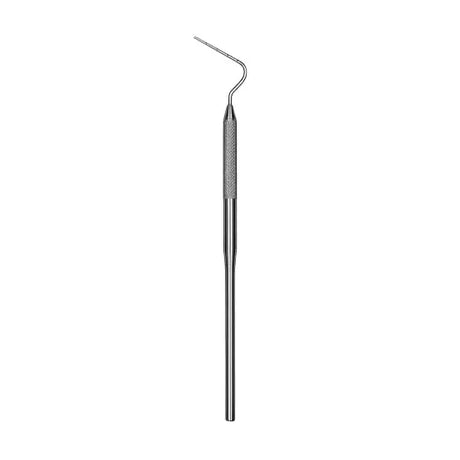
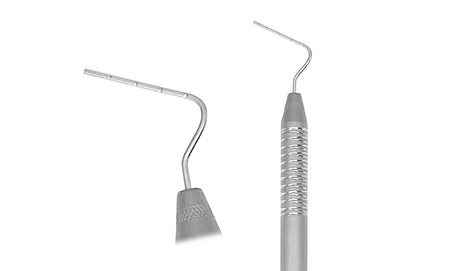
In the final and most critical stage of root canal therapy, the success of the treatment depends on achieving a hermetic, three-dimensional seal. Endodontic Pluggers and Dental Pluggers are the primary tools used for the vertical condensation of gutta-percha, ensuring the material effectively fills the primary canal and lateral branches. For practitioners in the Egyptian dental market, having a diverse range of Endodontic Pluggers and Dental Pluggers is essential for managing various canal morphologies, from wide anterior canals to narrow, curved posterior roots. At MedSTA, our collection of these specialized Endodontic Instruments is engineered to provide superior tactile feedback and mechanical durability. By utilizing high-quality Endodontic Pluggers, clinicians can apply the controlled pressure necessary to eliminate voids, thereby preventing bacterial reinfection and ensuring long-term periapical health.
How to Choose the Right Dental Pluggers for Your Practice
Working End Material (NiTi vs. Stainless Steel): For curved canals, prioritize Nickel-Titanium (NiTi) Endodontic Pluggers. NiTi offers the high flexibility required to navigate curvatures without causing vertical root fractures, while stainless steel Dental Pluggers provide the rigidity needed for straight canals and higher force application.
ISO Standardized Sizing: Choose Endodontic Pluggers and Dental Pluggers that match standard ISO sizes (e.g., #20 to #120). This technical alignment ensures that the instrument tip matches the prepared apical diameter, allowing for precise condensation at the working length.
Laser-Etched Depth Markings: Select Endodontic Pluggers with clear, permanent millimeter markings (typically at 5mm intervals). This is a vital technical requirement for the practitioner to monitor the depth of insertion, preventing accidental damage to the apical stop during condensation.
Handle Ergonomics and Heat Resistance: Opt for Dental Pluggers with large-diameter, lightweight handles. The handles must be manufactured from medical-grade materials capable of withstanding repeated 134°C autoclave cycles without degrading or losing their grip texture.
Tip Geometry and Surface Finish: Ensure the Endodontic Pluggers have perfectly flat, highly polished tips. A flat working end ensures uniform pressure distribution on the gutta-percha, while a smooth finish prevents the obturation material from sticking to the instrument during withdrawal.