

prevest Denpro
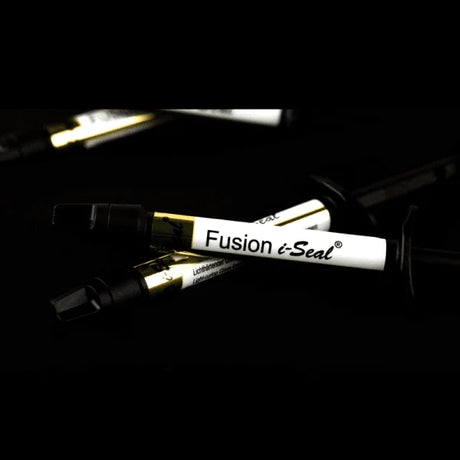
Prevest Fusion i-Seal 2g * 2syringes
Very low stock (1 unit)Regular price LE 750.00 EGPUnit price /Unavailable
incidental
Ruby cal calcium hydroxide Liner 10 g
Very low stock (2 units)Regular price LE 330.00 EGPUnit price /UnavailableMasterdent
Masterdent Light Cure Cavity Liner
In stock (33 units)Regular price From LE 290.00 EGPUnit price /Unavailable-
Plus Med Brazil
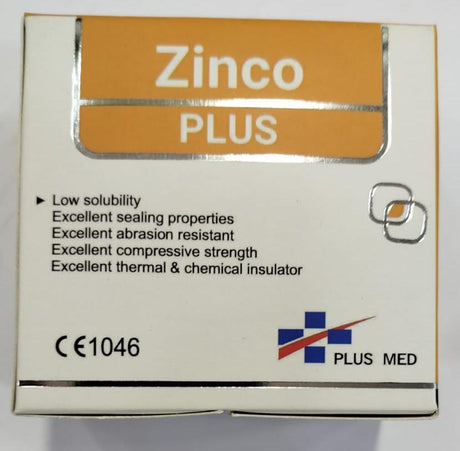
Zinco plus ZOE Cement 15 powder + 10ml Liquid
Low stock (9 units)Regular price LE 450.00 EGPUnit price /Unavailable
WP DENTAL
Low stock (10 units)Regular price LE 750.00 EGPUnit price /Unavailable
Promedica
Urbical Self-curing calcium hydroxide paste system 13 g base+ 11 g catalyst
Very low stock (8 units)Regular price LE 885.00 EGPUnit price /Unavailable
Ultradent
Ultradent Universal Dentin Sealant
Very low stock (2 units)Regular price LE 595.00 EGPUnit price /UnavailableDentsplySirona
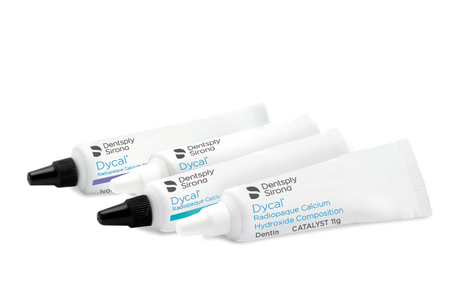
Dycal Calcium Hydroxide 13 g base + 11 g Catalyst
Very low stock (5 units)Regular price LE 1,069.00 EGPUnit price /Unavailable-
Bioloren
Bioloren InFibra polyethylene (UHMWPE) fibers
In stock (138 units)Regular price From LE 1,060.00 EGPUnit price /Unavailable-

Ultradent
Ultradent Ultracal XS calcium hydroxide paste
Very low stock (4 units)Regular price LE 339.00 EGPUnit price /Unavailable
Promedica
Low stock (9 units)Regular price From LE 890.00 EGPUnit price /UnavailableUltradent
Ultra-Blend plus Dentin Liner Refill 1.2 ml
Low stock (20 units)Regular price LE 850.00 EGPUnit price /Unavailable-




Choosing the Right Base and Liner for Your Practice
- Calcium Hydroxide Liners — The gold standard for direct and indirect pulp capping procedures. Available in self-curing paste systems and light-cured formulations for controlled working time and predictable setting.
- Light-Cured Resin Liners — Command-set liners offer extended working time and immediate strength. Ideal for deep cavity preparations where precise placement is required before composite or amalgam restoration.
- Glass Ionomer Liners — Provide fluoride release and chemical adhesion to tooth structure. Excellent choice under composite restorations in high-caries-risk patients requiring sustained fluoride delivery.
- Bioactive Materials — Modern formulations actively stimulate reparative dentine formation. Tricalcium silicate-based products release calcium ions to promote pulp healing and hard tissue bridge formation.
- Setting Mechanism Selection — Choose between self-cure and light-cure based on clinical access. Light-cured products suit visible preparations; self-cure systems work well in deep or poorly accessible cavities.
- Viscosity and Handling — Material consistency affects placement precision and adaptation. Flowable syringe delivery ensures accurate application in thin layers; paste systems suit broader coverage needs.
Base and Liner Types at a Glance
| Type | Setting Mechanism | Primary Indication | Key Feature |
|---|---|---|---|
| Calcium Hydroxide Self-Cure | Chemical set | Direct/indirect pulp capping | Alkaline pH promotes healing |
| Calcium Hydroxide Light-Cure | Light-activated | Pulp capping, deep cavities | Command set, immediate strength |
| Glass Ionomer Liner | Acid-base reaction | Fluoride-releasing liner | Chemical bond to dentine |
| Resin-Modified Liner | Dual-cure | Universal cavity liner | Low solubility, strong bond |
| Bioactive Silicate | Chemical/light | Vital pulp therapy | Stimulates dentine formation |
How to Select Dental Base and Liner Materials
- Assess pulp vitality and remaining dentine thickness before material selection.
- Choose calcium hydroxide for vital pulp exposures requiring therapeutic action.
- Select glass ionomer liners when fluoride release benefits the clinical situation.
- Consider light-cured options for accessible preparations needing immediate strength.
- Verify compatibility between your liner choice and the planned final restoration.
Availability & Delivery in Egypt
All dental base and liner materials are priced in EGP with nationwide delivery across Egypt. Store light-sensitive products away from direct sunlight and maintain recommended temperature ranges for optimal shelf life.
Frequently Asked Questions
When should I use calcium hydroxide liner?
When should I use calcium hydroxide liner?
Use for direct pulp caps, indirect pulp capping, and deep cavity preparations near the pulp.
What is the difference between a base and a liner?
What is the difference between a base and a liner?
Liners are thin protective layers; bases are thicker materials providing thermal insulation.
Can I use glass ionomer liner under composite?
Can I use glass ionomer liner under composite?
Yes, glass ionomer liners are compatible with composite restorations and release fluoride.
How thick should a cavity liner be applied?
How thick should a cavity liner be applied?
Apply liners in thin layers of approximately 0.5mm for optimal pulp protection.
Do light-cured liners require bonding agent?
Do light-cured liners require bonding agent?
Most light-cured liners bond directly to dentine; check manufacturer instructions.
What is the shelf life of calcium hydroxide products?
What is the shelf life of calcium hydroxide products?
Typically 2-3 years when stored properly; always check expiry dates before use.
Are bioactive liners suitable for primary teeth?
Are bioactive liners suitable for primary teeth?
Yes, bioactive materials work well in paediatric pulp therapy for vital pulp treatments.