

GENERIC
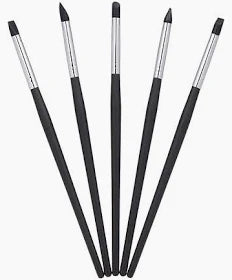
Silicon Brushes for Composite 5 pcs
Low stock (15 units)Regular price LE 249.00 EGPUnit price /UnavailablePOP
In stock (2455 units)Regular price From LE 125.00 EGPUnit price /Unavailable-
 25% off
POP
Ringo Offer 2 POP Ringo Rings+ ORCA ACID Etch 37%+POP Composite Brush Kit
Very low stock (2 units)Sale price LE 600.00 EGP Regular price LE 800.00Unit price /UnavailableAsnanco
Very low stock (4 units)Regular price From LE 285.00 EGPUnit price /Unavailable-


Choosing the Right Composite Brush
- Silicone vs Nylon Brushes — Silicone composite brushes do not absorb composite resin, making them easy to clean and reshape; nylon brushes offer finer tip control. Silicone brushes are preferred for pushing and adapting composite into tight interproximal areas; nylon brushes suit fine surface blending.
- Brush Size -- Small vs Medium — Small brushes (1-2 mm tip) suit anterior veneers and fine detail work; medium brushes (3-4 mm) suit posterior cuspal layering. The most commonly used size in Egyptian general practice is the medium round brush, which handles most anterior and posterior layering tasks.
- Wetting Agent — Wetting brushes with a drop of unfilled resin or bonding agent prevents composite from sticking to the brush during placement. Never wet composite brushes with water -- this introduces moisture contamination that weakens the resin-enamel bond.
- Flat vs Round Tip — Round-tipped brushes adapt composite into concave areas and undercuts; flat-tipped brushes contour labial and buccal surfaces. A mixed set of round and flat brushes covers all direct composite layering needs across anterior and posterior restorations.
- Single-Use vs Autoclavable — Disposable composite brushes prevent cross-contamination and eliminate sterilisation time; metal-handled versions tolerate autoclaving. Single-use brushes are the standard in infection control-compliant Egyptian practices -- dispose after each use.
- How to Sterilise Composite Brushes — Remove dried composite with solvent, then autoclave at 134 deg C if the brush is rated for reuse. Single-use disposable brushes must not be resterilised -- the nylon tips deform after autoclave cycles, reducing placement precision.
Composite Brush Types at a Glance
| Type | Material | Best Use | Sterilisable |
|---|---|---|---|
| Silicone Round | Silicone | Interproximal adapting, layering | Yes (autoclave) |
| Nylon Round | Nylon | Fine surface blending, veneer detail | Varies |
| Nylon Flat (Single-Use) | Nylon, disposable | Labial surface contouring | No |
| Micro-Brush (Disposable) | Foam or nylon, disposable | Bonding agent application, margins | No |
How to Select Composite Brushes
- Choose silicone brushes for general layering and adapting composite into cavity angles.
- Select small nylon brushes for fine surface work and anterior veneer detail.
- Decide between single-use disposable or autoclavable based on clinic infection control protocol.
- Wet the brush with a drop of unfilled resin before each layer to prevent sticking.
- Discard single-use brushes after every patient -- do not attempt resterilisation.
Availability & Delivery in Egypt
MedSTA supplies composite brushes in silicone and nylon styles to Egyptian dental clinics with EGP pricing and nationwide delivery. Single-use disposable packs available for infection control compliance.
Frequently Asked Questions
What are composite brushes used for in dentistry?
What are composite brushes used for in dentistry?
Placing, adapting and contouring composite resin layers during direct restorations, veneers and cosmetic work.
Silicone vs nylon composite brush -- which is better?
Silicone vs nylon composite brush -- which is better?
Silicone does not absorb composite and is easy to clean; nylon gives finer tip control for detail work.
Which size composite brush do I use?
Which size composite brush do I use?
Medium round for general layering; small round for anterior and fine detail; flat for labial surface contouring.
Can I sterilise composite brushes?
Can I sterilise composite brushes?
Metal-handled autoclavable models can be sterilised at 134 deg C; single-use disposable brushes must be discarded after use.
How do I prevent composite from sticking to the brush?
How do I prevent composite from sticking to the brush?
Wet the brush with a drop of unfilled resin or bonding agent before each layer -- never use water.
Are composite brushes single-use?
Are composite brushes single-use?
Standard disposable composite brushes are single-use only -- do not resterilise as the tip deforms and loses precision.
Are composite brushes available in Egypt from MedSTA?
Are composite brushes available in Egypt from MedSTA?
Yes -- silicone and nylon brushes in single-use and autoclavable versions, priced in EGP with nationwide delivery.