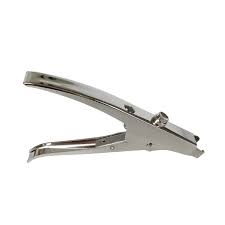
In the diverse clinical landscape of the Egyptian dental market, the successful placement of Glass Ionomer Cements (GIC) depends heavily on utilizing a specialized glass ionomer instrument. Because GIC is inherently sticky during its initial setting phase, using a standard stainless steel tool often leads to material “pull-back,” which compromises the marginal seal. This is why selecting the right restorative instruments is essential for predictable handling and placement. A professional glass ionomer instrument is specifically engineered with non-stick surfaces to facilitate the smooth placement, spreading, and contouring of the cement.
At MedSTA, we provide high-quality glass ionomer instrument options that are essential for pediatric dentistry, Atraumatic Restorative Treatment (ART), and the “Sandwich Technique.” By choosing a dedicated glass ionomer instrument, local practitioners can ensure superior adaptation of the material to the cavity floor, maximizing the fluoride-releasing benefits and long-term durability of the restoration.
How to Choose the Right Glass Ionomer Instrument for Your Practice
-
Non-Stick Surface Coating: Prioritize a glass ionomer instrument featuring a Titanium-Nitride (TiN) or high-grade Teflon coating. These ultra-smooth surfaces prevent the cement from adhering to the tool, ensuring that the GIC stays in the cavity and not on the instrument during placement.
-
Double-Ended Tip Geometry: Choose a glass ionomer instrument with a versatile design, such as a flat blade on one end for spreading and a round-end condenser on the other. This allows the Egyptian clinician to transition quickly from adaptation to initial contouring without switching tools.
-
Handle Ergonomics & Weight: Opt for a glass ionomer instrument with a large-diameter, hollow handle. A lightweight, ergonomic grip reduces hand fatigue during long pediatric or geriatric sessions, providing the tactile sensitivity needed for delicate subgingival Class V restorations.
-
Flexibility of the Working End: Select a glass ionomer instrument with a slightly flexible blade. This flexibility is vital for adapting the cement into undercuts and ensuring a void-free interface between the tooth structure and the restorative material.
-
Autoclave Durability: Ensure the glass ionomer instrument is manufactured from high-quality surgical steel (AISI 420) capable of withstanding repeated 134°C sterilization cycles. In the local climate, a durable finish is essential to prevent corrosion and maintain the non-stick properties over years of use.