In the high-precision world of restorative and endodontic treatments, the use of professional isolation material is a non-negotiable requirement for clinical success. Proper isolation using rubber dams, liquid barriers, and specialized clamps ensures a 100% dry operating field, which is essential for the chemical bond of modern adhesives and the prevention of moisture contamination during canal debridement. At MedSTA, we provide a comprehensive range of Isolation Material designed to improve clinician visibility while protecting patients from the inhalation of debris or irrigation chemicals. As a vital part of our Endodontic Supplies, these materials empower local practitioners to maintain a sterile environment, thereby increasing the predictability of their clinical work and adhering to international safety standards.
How to Choose the Right Isolation Material for Your Practice
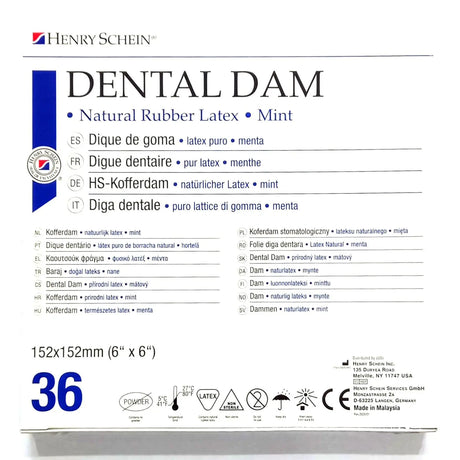
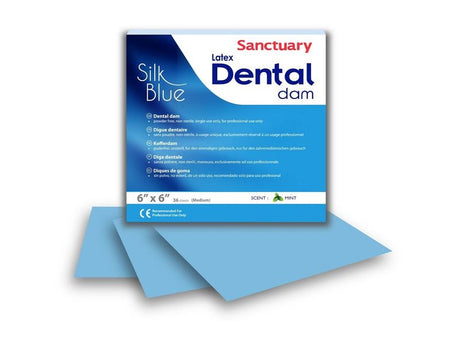
Material Composition (Latex vs. Nitrile): Select Isolation Material based on patient history. While latex offers superior elasticity and "memory," nitrile (non-latex) rubber dams are technically necessary for patients with allergies to prevent adverse reactions during the procedure.
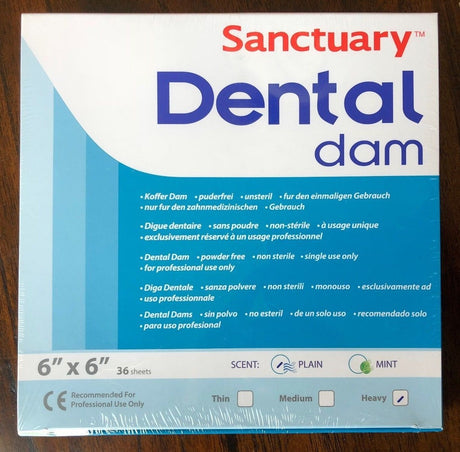
Dam Thickness and Gauge: Prioritize "Heavy" or "Extra-Heavy" Isolation Material for endodontic procedures. Thicker sheets provide significantly better soft tissue retraction and are less likely to tear when stretched over metal clamps or through tight interproximal contacts.
Color Contrast and Matte Finish: Choose Isolation Material in dark colors (Blue, Green, or Black) with a matte finish. High contrast against the white tooth structure and reduced light reflection are essential for improving visibility under a dental microscope or high-intensity operating lamps.
Liquid Dam Viscosity and Seal: For localized protection during bleaching or gingival management, choose a light-cured liquid Isolation Material with high thixotropy. The material should flow easily into the gingival sulcus but stay "stacked" once placed to provide a perfect hermetic seal.
Clamp Grade and Tension: Ensure that the metal components of your Isolation Material kit, such as rubber dam clamps, are made from high-tempered stainless steel. This ensures the clamps retain their "spring" memory and do not fracture during repeated expansion and sterilization cycles.




 6% off


