


EL-KODS
EL-KODS DENTAX Pink Modeling Wax (500g)
In stock (39 units)Regular price LE 225.00 EGPUnit price /Unavailable
Dentax
In stock (34 units)Regular price LE 25.00 EGPUnit price /Unavailable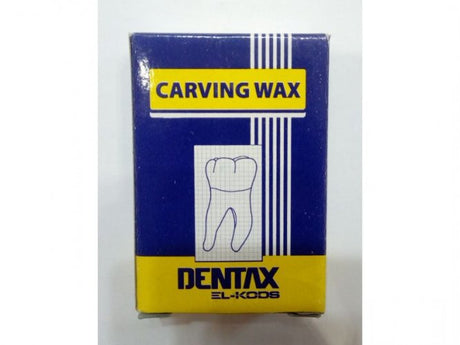
Dentax
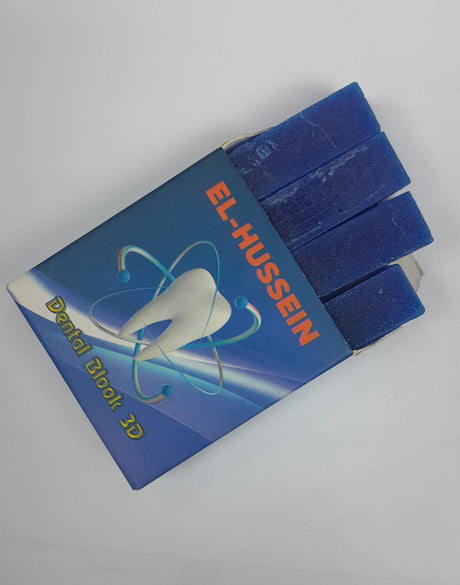
In stock (26 units)Regular price LE 15.00 EGPUnit price /UnavailableElHussiney
In stock (24 units)Regular price LE 15.00 EGPUnit price /Unavailable-
GENERIC
Very low stock (5 units)Regular price LE 50.00 EGPUnit price /Unavailable 3% off
MORSA
In stock (45 units)Sale price LE 369.00 EGP Regular price LE 380.00Unit price /Unavailable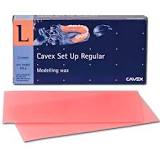
CAVEX
CAVEX Set Up: Pink Wax (500gr)
Very low stock (3 units)Regular price LE 595.00 EGPUnit price /Unavailable-

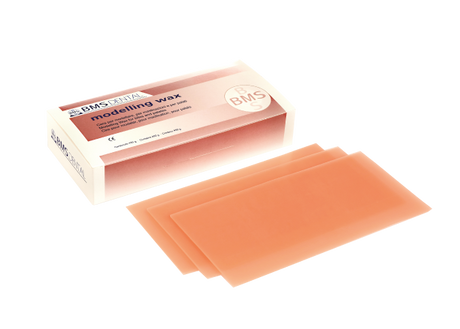
BMS
BMS Modelling Wax for bites and palates 450 g
In stock (499 units)Regular price LE 411.00 EGPUnit price /Unavailable
Kemdent
Low stock (16 units)Regular price LE 420.00 EGPUnit price /Unavailable





How to Choose the Right Dental Wax for Your Laboratory Workflow
- Modeling Wax (Pink Sheet) — Pink baseplate or modeling wax is supplied in sheets (2–4 mm thickness) and used for occlusal rim fabrication, denture base wax-ups, and articulator mounting. It softens at approximately 45–55°C and is manipulated with a flame or warm water. Egyptian climate note: in summer, store modeling wax in a cool drawer — sustained ambient temperatures above 40°C cause permanent distortion in stored sheets.
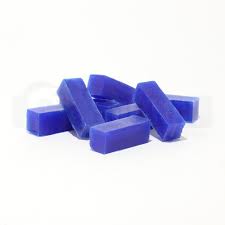
- Carving Wax (Green/Yellow Block) — Carving wax provides greater hardness and dimensional stability for pattern fabrication (inlay, onlay, crown patterns) before investing and casting. Melting point 60–70°C; manipulated with a heated wax knife or electric spatula. Provides sharp edge reproduction needed for marginal accuracy in cast restorations. Colour (green, yellow) indicates the specific formulation — always verify softening temperature against the casting protocol.
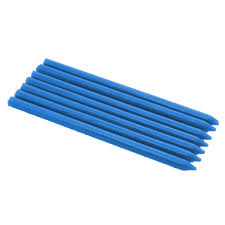
- Utility Wax (Rope/Stick) — Flexible, non-setting wax strips or ropes used for impression tray border extension, creating bead-and-box impression forms, and sealing around impression materials to prevent voids. Applied at room temperature. Not compatible with hydrophilic impression materials at the interface.
- Inlay Wax Specifications — Inlay wax (Type I direct, Type II indirect per ISO 15854) must conform to thermal contraction specifications so the pattern does not distort during removal and investing. Only use dental-grade inlay wax meeting ISO 15854 — generic craft waxes have uncontrolled expansion coefficients that produce poorly fitting castings.
- Storage in Egyptian Climate — All dental waxes are heat-sensitive. Store in sealed containers away from direct sunlight and heat sources. Laboratory air conditioning is essential for wax storage in Egyptian summers (June–September), where ambient temperatures can permanently deform sheet and block waxes left on exposed workbench surfaces.
Dental Wax Types at a Glance
| Type | Softening Temp. | Primary Use | Format |
|---|---|---|---|
| Modeling/Baseplate | 45–55°C | Occlusal rims, denture wax-up | Pink sheet |
| Carving (Inlay) | 60–70°C | Cast restoration patterns | Green/yellow block |
| Utility/Periphery | Room temp | Tray border extension, impression sealing | Rope/strip |
Availability & Delivery in Egypt
MedSTA stocks dental wax from EL-KODS, Dentax, ElHussiney, and other trusted brands, priced from 15–225 EGP per pack, delivered to dental laboratories and practices across Cairo, Giza, Alexandria, and all Egyptian governorates. Bulk sheet wax packs (500 g) are available for high-volume dental labs.
Frequently Asked Questions
What is the difference between modeling wax and carving wax in dental lab work?
What is the difference between modeling wax and carving wax in dental lab work?
Modeling wax (pink baseplate) is softer (softening temp 45–55°C), supplied in sheets, and used for occlusal rim fabrication, denture wax-ups, and mounting. Carving wax (green/yellow block) is harder (softening temp 60–70°C), used for inlay, onlay, and crown pattern carving before investing and casting. Substituting one for the other produces poorly fitting castings or deformed occlusal rims.
What type of dental wax should I use for making occlusal rims?
What type of dental wax should I use for making occlusal rims?
Pink baseplate (modeling) wax sheets (2–4 mm thick) are standard for occlusal rim fabrication. Soften the sheet in warm water (45–50°C) or with a flame and adapt to the record base while maintaining the correct height and width for the edentulous ridge. Egyptian dental laboratory students should note that overheating with a direct flame creates uneven softening and air bubbles in the wax rim.
How does Egyptian summer heat affect dental wax storage and use?
How does Egyptian summer heat affect dental wax storage and use?
Sustained ambient temperatures above 38–40°C — common in Egyptian laboratories from June to September — permanently distort sheet and block waxes stored on exposed surfaces. Pink modeling wax softens at 45–55°C; in direct sunlight through a lab window, surface temperatures can exceed this. Store all wax in a cool, sealed container away from windows and heat sources. Air conditioning is strongly recommended for laboratory wax storage.
Can dental wax be used for impression tray border extension?
Can dental wax be used for impression tray border extension?
Yes. Utility wax (rope or stick form) is applied at room temperature for border extension and periphery sealing of impression trays. It does not bond chemically to most tray materials and is removable without residue. It is not compatible with hydrophilic impression materials at direct contact points, as wax residue can impair the set.
Does MedSTA supply dental wax to laboratories and practices across Egypt?
Does MedSTA supply dental wax to laboratories and practices across Egypt?
Yes. MedSTA delivers dental lab wax from EL-KODS, Dentax, ElHussiney, and other brands to dental laboratories, practices, and university students across Cairo, Giza, Alexandria, and all Egyptian governorates, priced in EGP with fast nationwide delivery.