• Free shipping over 5000E£

  • Free help & advice

  • Hassle-free returns

  • Open 7 days a week

50% Off shipping fee

receiveup to 50% off shipping costs of orders above 500LE

SHIPPING50

Buy professional Manual Files in Egypt

(19 products)

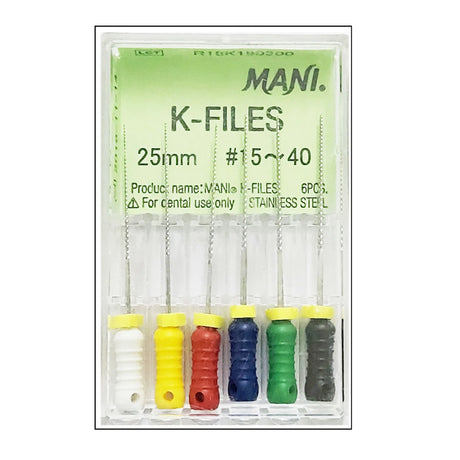
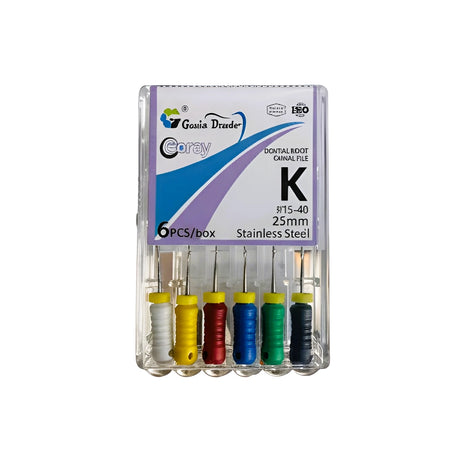
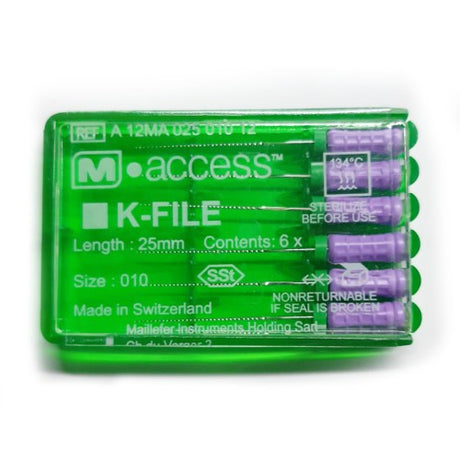
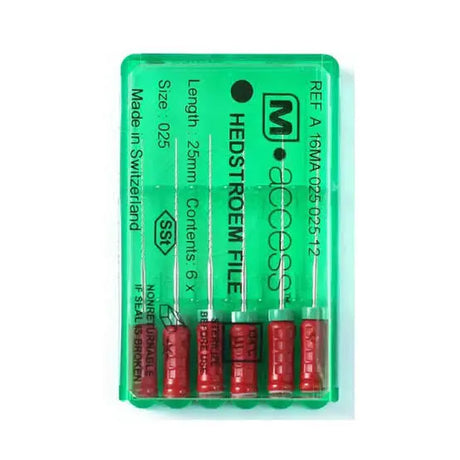
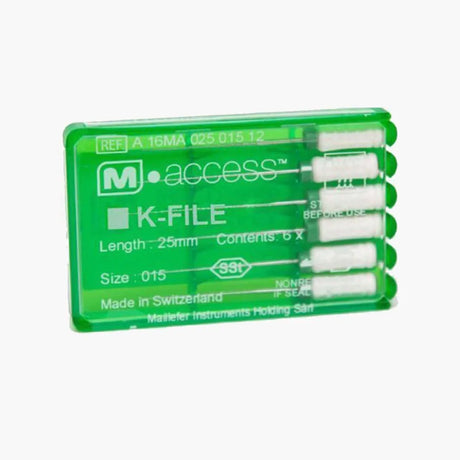
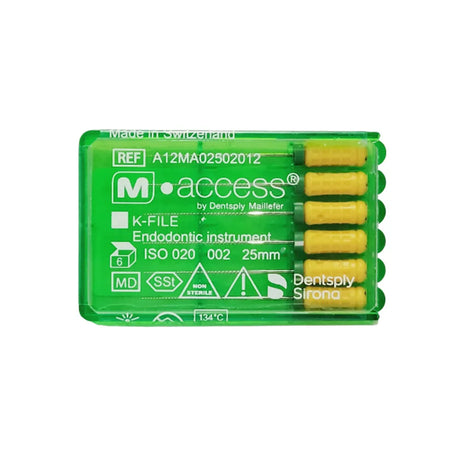
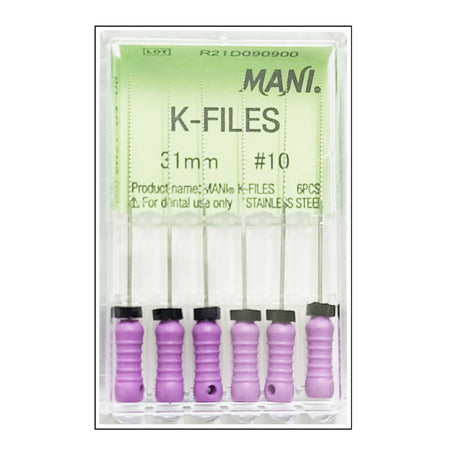
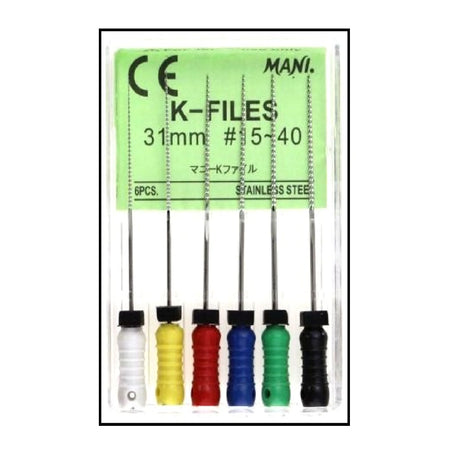
In the fundamental stages of root canal therapy, manual files remain the most critical tools for initial canal exploration and the establishment of a reproducible glide path. For practitioners in the Egyptian dental market, these instruments are indispensable for "scouting" the canal, negotiating calcifications, and determining working length before transitioning to rotary systems. At MedSTA, we provide a comprehensive range of Manual Files, including K-files, H-files, and C-files, sourced to ensure high tactile sensitivity and fracture resistance. As a cornerstone of our professional Endodontic Supplies, these files are engineered from premium stainless steel and Nickel-Titanium (NiTi) to provide the precision required for complex canal debridement and successful pulpectomy.

How to Choose the Right Manual Files for Your Practice

Material Selection (Stainless Steel vs. NiTi): Choose stainless steel Manual Files (AISI 420) for initial scouting and bypassing ledges where stiffness is an advantage. Opt for NiTi Manual Files for curved canals, as their elastic memory prevents canal transportation and zipping.

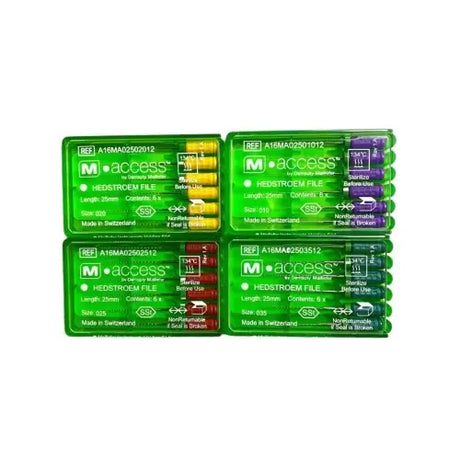
Cross-Sectional Geometry: Prioritize Manual Files based on their cutting action. K-files with a square or triangular cross-section are ideal for "watch-winding" negotiation, while H-files (Hedstrom) with a teardrop cross-section are superior for aggressive "pulling" strokes to remove heavy debris.

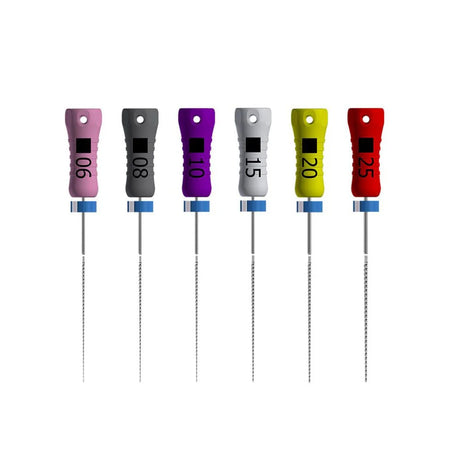
ISO Standardized Sizing and Color-Coding: Ensure your kit includes a full range of ISO sizes from 06 to 80. Standardized color-coded handles are essential for rapid identification during the procedure, improving clinical efficiency in high-volume practices.

C-File Specialty for Calcifications: For difficult, calcified canals, select specialized Manual Files like C-files. These are heat-treated for extra stiffness, allowing the clinician to apply the vertical pressure needed to penetrate calcified orifices without the tip buckling.

Ergonomic Handle and Radiopaque Stoppers: Opt for Manual Files with large-diameter, slip-resistant handles to reduce hand fatigue. Ensure they feature high-quality silicone stoppers that remain stable during X-ray verification of the working length.


View as

FAQs

What is the difference between a K-file and an H-file? 

K-files are designed for a "watch-winding" or "twisting" motion to negotiate and enlarge canals. H-files have a spiral design and are meant only for a "pulling" motion; they are highly efficient at removing debris but can break if twisted inside the canal.

When should I use C-files instead of standard Manual Files? 

C-files are much stiffer than regular K-files. In the local market, they are highly recommended for negotiating calcified canals or bypassing broken instruments where a standard file would simply bend.

How many times can I safely reuse Manual Files? 

While stainless steel Manual Files are durable, they should be inspected for "unwinding" after every use. Many specialists recommend single-use for sizes #06 through #15, as these small diameters are most prone to fatigue and separation.

How do I prevent "ledging" with Manual Files in curved canals? 

Always "pre-curve" your stainless steel Manual Files to match the canal's anatomy before insertion. Using NiTi files or a "balanced force" technique with K-files also significantly reduces the risk of creating a ledge.

What is the best way to clean and store Manual Files? 

Manual Files should be cleaned in an ultrasonic bath to remove organic debris from the flutes. Store them in a dry, organized endo-stand or organizer to protect the tips and prevent rust during the sterilization process.

Compare /5

Loading...