
Sun Dental
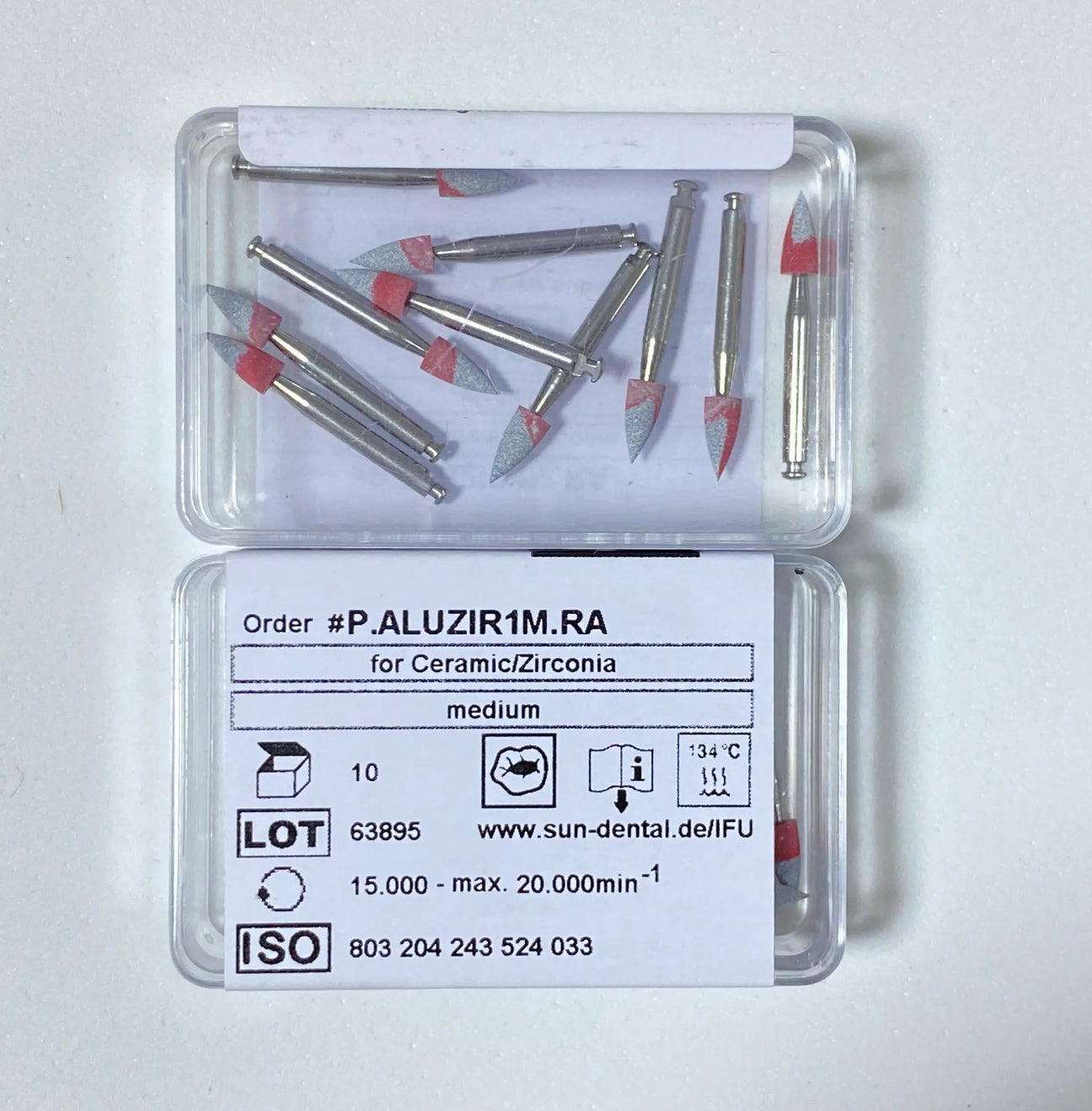
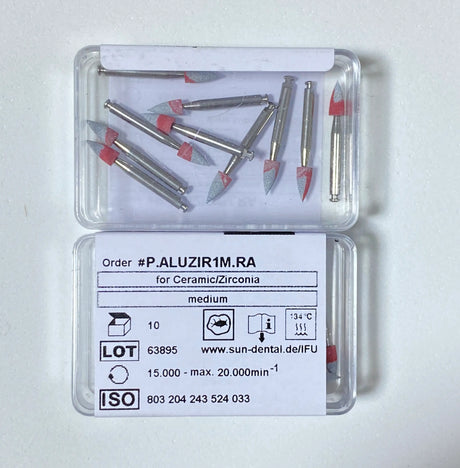
Sun Dental P.ALUZIR1M.RA Polisher for zirconium & Ceramic - Flame - Medium
In stock (56 units)Regular price From LE 110.00 EGPUnit price /Unavailable
Sun Dental
Sun Dental P.ALUZIR1F.RA Polisher for zirconium & Ceramic- Flame - FINE
In stock (73 units)Regular price From LE 110.00 EGPUnit price /Unavailable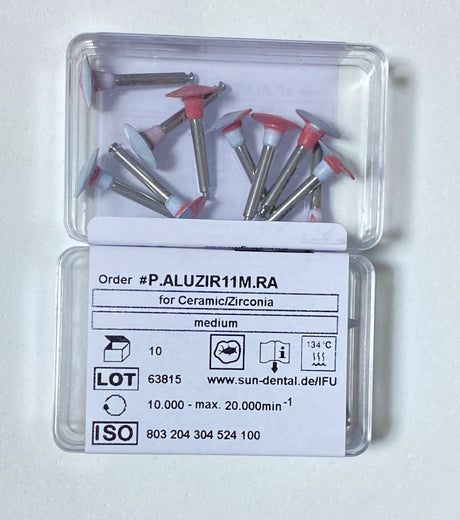
Sun Dental
Sun Dental P.ALUZIR11M.RA Polisher for zirconium & Ceramic - WHEEL - Medium
In stock (86 units)Regular price From LE 110.00 EGPUnit price /Unavailable
Sun Dental
Sun Dental P.ALUZIR11F.RA Polisher for zirconium & Ceramic - WHEEL - Fine
In stock (78 units)Regular price From LE 110.00 EGPUnit price /Unavailable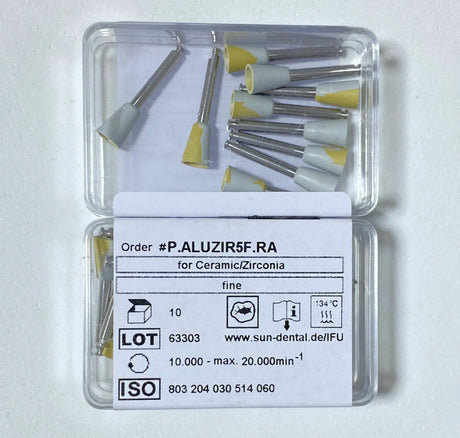
Sun Dental
Sun dental P.ALUZIR5F.RA Polisher for zirconium & Ceramic - CUP - Fine
In stock (88 units)Regular price From LE 110.00 EGPUnit price /Unavailable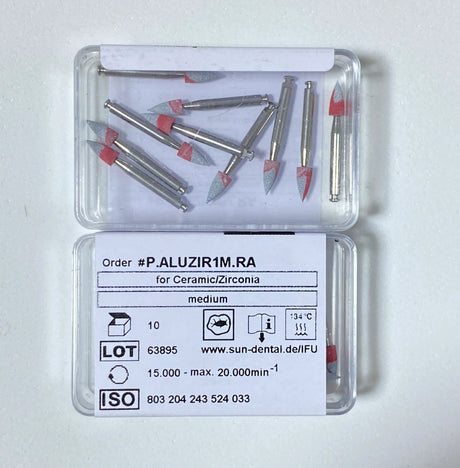
Sun Dental
Sun Dental P.ALUZIR1M.RA - Polisher for zirconium & Ceramic - Flame - Medium
In stock (92 units)Regular price From LE 110.00 EGPUnit price /Unavailable
Eve
EVE ECOCERAM Kit RA 160 3-Step Ceramic Polishing System
Low stock (16 units)Regular price LE 750.00 EGPUnit price /UnavailableFrank Dental
Franke Polisher for prostheses - POINTED SHAP - for Straight Hand Piece
In stock (57 units)Regular price LE 90.00 EGPUnit price /Unavailable-
Frank Dental
Frank Polisher for prostheses- N SHAP - for Straight Hand Piece
In stock (33 units)Regular price LE 90.00 EGPUnit price /Unavailable-

Stoddard UK
Stoddard Low Speed Polishing Flame bur for Acrylic – Yellow - 1 pc
In stock (27 units)Regular price LE 85.00 EGPUnit price /Unavailable
Stoddard UK
Stoddard Low Speed Polishing Wheel for Acrylic – Gray - 1 pc
In stock (29 units)Regular price LE 85.00 EGPUnit price /Unavailable
Stoddard UK
Stoddard Low Speed Polishing bur for Acrylic – Yellow Low Speed - 1 pc
In stock (29 units)Regular price LE 85.00 EGPUnit price /Unavailable
Stoddard UK
Stoddard Low Speed Polishing Flame bur for Acrylic - Gray - 1 pc
In stock (30 units)Regular price LE 85.00 EGPUnit price /Unavailable
Stoddard UK
Stoddard Low Speed Polishing Flame bur for Acrylic - Purple - 1 pc
In stock (30 units)Regular price LE 85.00 EGPUnit price /Unavailable
Stoddard UK
Stoddard Low Speed Polishing Cup for Acrylic – Gray - 1 pc
In stock (30 units)Regular price LE 85.00 EGPUnit price /Unavailable
Stoddard UK
Stoddard Low Speed Polishing Cup for Acrylic - Yellow - 1 pc
In stock (30 units)Regular price LE 85.00 EGPUnit price /Unavailable


How to Choose the Right Dental Lab Polishing Burs for Your Practice
- Grit Progression — work from medium grit to remove grinding marks, then finish with fine grit to achieve a high-gloss surface; skipping the medium stage on a heavily adjusted zirconia surface leaves visible scratch patterns even after fine polishing.
- Shank Type (RA vs HP) — RA (contra-angle, latch-type) shanks fit standard lab micromotor handpieces at low speed, while HP (straight handpiece) shanks suit bench lathes; confirm shank compatibility with your lab’s micromotor before ordering.
- Shape Selection — flame-shaped polishers reach interproximal and occlusal groove anatomy, wheel shapes cover broad flat surfaces efficiently, and cup shapes adapt to convex crown contours; a mixed set covers most restoration geometries.
- Abrasive Composition — silicone-carbide-impregnated rubber polishers are formulated specifically for zirconia and ceramic hardness; using a polisher designed for metal on ceramic wastes material and produces an inferior finish.
- Operating Speed — run zirconia and ceramic polishers at the manufacturer’s stated RPM range (typically 8,000–10,000 RPM); excessive speed generates frictional heat that can micro-crack the zirconia surface.
- Material-Specific Sets — keep separate polisher sets for zirconia/ceramic, metal, and acrylic; cross-use transfers abrasive particles between materials and can dull specialised zirconia burs prematurely.
Dental Lab Polishing Bur Types at a Glance
| Shape | Grit | Best For | Shank |
|---|---|---|---|
| Flame | Medium | Occlusal grooves, interproximal areas | RA |
| Flame | Fine | Final gloss on contoured surfaces | RA |
| Wheel | Medium | Broad flat surfaces, initial smoothing | RA |
| Wheel | Fine | High-gloss finish on flat surfaces | RA |
| Cup | Fine | Convex crown and pontic contours | RA |
Availability & Delivery in Egypt
MedSTA supplies Sun Dental zirconia and ceramic polishing burs in EGP, with delivery to dental laboratories across Cairo, Giza, Alexandria, and all Egyptian governorates. Store rubber-bonded polishers away from direct heat, as prolonged exposure to Egypt’s summer temperatures can affect the binder’s abrasive consistency over time.
Frequently Asked Questions
What's the difference between medium and fine grit lab polishing burs?
What's the difference between medium and fine grit lab polishing burs?
Medium grit removes coarse grinding marks and levels the surface after adjustment, while fine grit refines that surface to a smooth, glaze-ready finish. Using fine grit directly on an unadjusted surface takes far longer and wears out the bur without fully removing grinding artefacts.
Can zirconia polishers be used on metal-ceramic (PFM) restorations?
Can zirconia polishers be used on metal-ceramic (PFM) restorations?
Zirconia-specific rubber polishers are formulated with abrasives suited to zirconia's hardness and are not optimised for polishing base or noble metal alloys. Using a dedicated metal polishing set on PFM frameworks and a separate zirconia set on all-ceramic work preserves both the finish quality and the working life of each bur.
What RPM should a lab micromotor run zirconia polishers at?
What RPM should a lab micromotor run zirconia polishers at?
Most zirconia and ceramic rubber polishers are rated for 8,000-10,000 RPM at low pressure. Running above this range generates frictional heat that can create micro-cracks in the zirconia surface, while running too slow reduces cutting efficiency and prolongs chairside processing time.
Do wheel-shaped and flame-shaped polishers serve different purposes?
Do wheel-shaped and flame-shaped polishers serve different purposes?
Wheel-shaped polishers cover broad flat surfaces efficiently and are the first choice for large occlusal tables, while flame-shaped polishers taper to a point that reaches interproximal contacts and occlusal grooves that a wheel cannot access. Most laboratories keep both shapes on hand to complete a full restoration.
Does MedSTA supply Sun Dental lab burs and polishers across Egypt?
Does MedSTA supply Sun Dental lab burs and polishers across Egypt?
Yes. MedSTA stocks Sun Dental zirconia and ceramic polishing burs in flame, wheel, and cup shapes across medium and fine grits, priced in EGP with delivery to dental laboratories nationwide.