
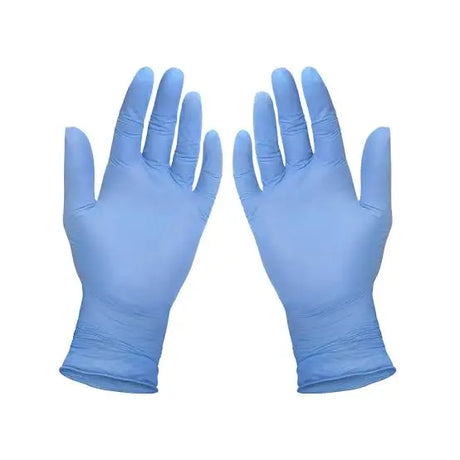
GENERIC
In stock (44 units)Regular price LE 190.00 EGPUnit price /Unavailable
GENERIC
In stock (149 units)Regular price LE 195.00 EGPUnit price /Unavailable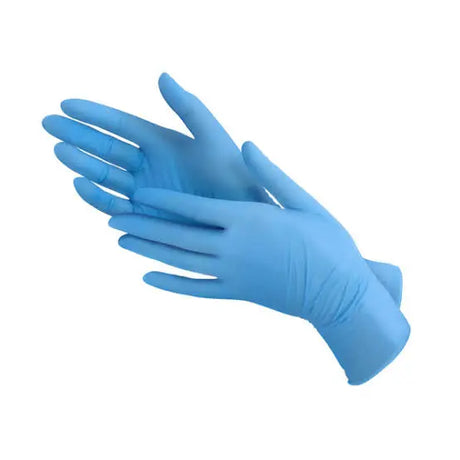
GENERIC
In stock (67 units)Regular price LE 185.00 EGPUnit price /Unavailable
GENERIC
Very low stock (5 units)Regular price LE 200.00 EGPUnit price /Unavailable

How to Choose the Right Latex Examination Gloves for Your Dental Practice
- Latex protein content — Low-protein latex gloves (≤200 µg/g total protein per ASTM D5712, or ≤50 µg/g residual protein per EN 455-3) significantly reduce the risk of type I latex sensitisation in staff and patients. In Egyptian clinics where latex allergy prevalence may be underdiagnosed, specifying low-protein options is an important risk management decision.
- Elongation at break — Natural rubber latex achieves ≥550% elongation at break (EN 455-2), significantly exceeding the ≥300% minimum for synthetic gloves. This translates to a more conforming, form-fitting glove that closely adapts to the hand anatomy and permits fine fingertip movement without the membrane resistance experienced with stiffer nitrile alternatives.
- Tensile strength — Latex examination gloves must meet ≥17 MPa tensile strength (EN 455-2) — higher than the ≥14 MPa minimum for synthetic examination gloves — reflecting the superior mechanical properties of cross-linked natural rubber.
- Palm thickness — 0.10–0.13 mm palm thickness provides optimal tactile sensitivity for restorative and endodontic work while maintaining adequate barrier integrity for routine clinical use. Measure from the palm midpoint per EN 455-2 specification; thinner fingertip areas are acceptable.
- Processing: chlorination vs polymer coating — Powder-free latex gloves are produced either by aqueous chlorination (which simultaneously removes cornstarch and reduces surface protein levels) or by polymer coating. Both methods effectively remove powder; chlorination additionally reduces extractable protein content, making chlorinated options preferable from an allergy-risk standpoint.
- Patient screening — Before donning latex gloves for treatment, screen patients for latex allergy (type I hypersensitivity) and for cross-reactive food allergies (kiwi, banana, avocado, chestnut) which indicate probable latex sensitisation. Maintain a stock of nitrile gloves as an immediate substitute for latex-sensitive patients and staff.
Latex vs Synthetic Glove Properties at a Glance
| Property | Latex | Nitrile | Vinyl |
|---|---|---|---|
| Elongation at break | ≥550% | ≥300% | ≥200% |
| Tensile strength | ≥17 MPa | ≥14 MPa | ≥10 MPa |
| Tactile sensitivity | Excellent | Good | Moderate |
| Latex allergy risk | Yes (NRL proteins) | None | None |
| Chemical resistance | Moderate | High | Low |
| Clinical AQL | 1.5 | 1.5 | 2.5 |
Availability & Delivery in Egypt
MedSTA supplies powder-free latex examination gloves in EGP from NITI and GENERIC in sizes S, M, and L at 185–220 EGP per 100-piece box with nationwide delivery to Cairo, Giza, Alexandria, and all Egyptian governorates.
Frequently Asked Questions
When should an Egyptian dentist choose latex over nitrile examination gloves?
When should an Egyptian dentist choose latex over nitrile examination gloves?
Latex examination gloves are preferred when maximum tactile sensitivity and compliance to hand anatomy are the primary clinical requirements — specifically for endodontic procedures involving fine hand instruments (stainless steel K files, H files, paper points, finger spreaders), microsurgical tissue manipulation, and complex restorative preparations where precise fingertip feedback guides clinical decision-making. The ≥550% elongation of natural rubber produces a more conforming, form-fitting glove than nitrile (≥300%), which Egyptian dentists performing instrument-intensive procedures often find reduces hand fatigue during extended sessions.
What is the risk of latex allergy for Egyptian dentists and patients?
What is the risk of latex allergy for Egyptian dentists and patients?
Type I (IgE-mediated) latex hypersensitivity can cause reactions ranging from contact urticaria and rhinoconjunctivitis to life-threatening anaphylaxis in sensitised individuals. Occupational latex sensitisation is a recognised risk for dental healthcare workers with cumulative glove exposure over years. In Egyptian patients, cross-reactive food allergies — kiwi fruit, banana, avocado, chestnut, and papaya — are clinical indicators of probable pre-existing latex sensitisation that may never have been formally diagnosed. Routine pre-treatment screening with a brief allergy history question, and maintaining an immediately accessible stock of nitrile gloves, are the minimum precautions for Egyptian dental clinics.
Are powder-free latex gloves compatible with dental composite bonding procedures?
Are powder-free latex gloves compatible with dental composite bonding procedures?
Powder-free latex gloves (chlorinated or polymer-coated) do not directly inhibit light-cured composite bonding chemistry. Unlike powdered latex gloves, which can transfer cornstarch contamination to the bonded surface and inhibit adhesive polymerisation, powder-free variants leave minimal surface residue under normal use. To maximise adhesive bond strength, avoid directly touching etched enamel, primed dentine, or uncured bonding agent with gloved fingertips; use bonding brushes and composite placement instruments for all direct surface contact. Powder-free latex gloves are adequate for all routine restorative and endodontic procedures in Egyptian clinics.
How should latex gloves be stored in Egyptian summer conditions?
How should latex gloves be stored in Egyptian summer conditions?
Natural rubber latex is susceptible to oxidative and thermal degradation. Store latex gloves below 30°C in a dry environment away from direct sunlight, UV light sources, ozone-generating equipment (motors, UV sterilisers), and fluorescent lighting. In Egyptian summer where room temperatures frequently exceed 35°C, store in a climate-controlled space (ideally below 25°C) and use gloves within the manufacturer's printed shelf life. Discard gloves showing visible yellowing, brittleness, tackiness, or surface cracking — these indicate polymer degradation that has compromised the glove's barrier properties regardless of the printed expiry date.
Does MedSTA supply powder-free latex examination gloves in multiple sizes for Egyptian clinics?
Does MedSTA supply powder-free latex examination gloves in multiple sizes for Egyptian clinics?
Yes — MedSTA supplies powder-free latex examination gloves in Egypt from NITI and GENERIC in sizes S, M, and L at 185–220 EGP per 100-piece box, with nationwide delivery to Cairo, Giza, Alexandria, and all Egyptian governorates. Multi-size orders for Egyptian clinics with diverse clinical team hand sizes are accommodated, and bulk pricing is available for high-volume practices.