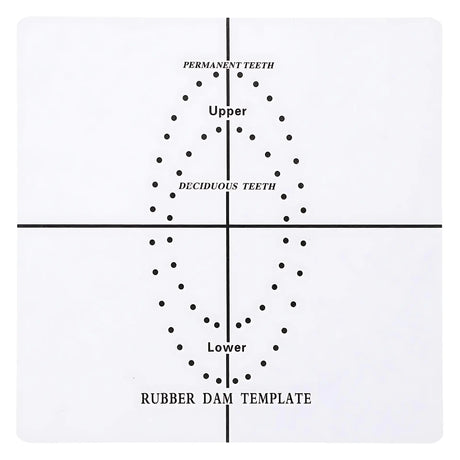
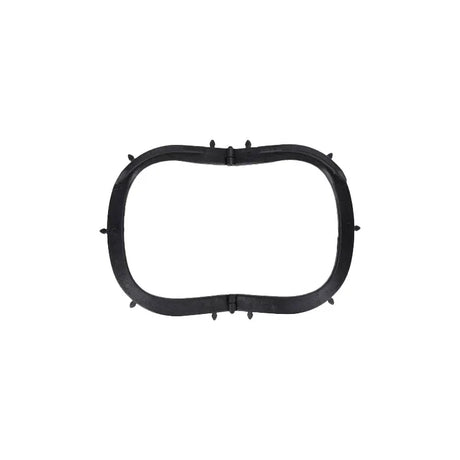
In the high-precision environment of modern restorative and surgical dentistry, Rubber Dam Instruments are the definitive tools for achieving a total barrier against moisture and microbial contamination. Effective isolation is a clinical prerequisite for the success of adhesive bonding and root canal therapy, ensuring that no saliva or blood compromises the hybrid layer or the sterile canal system. At MedSTA, we provide a professional selection of Rubber Dam Instruments, including high-precision punches, tension-calibrated forceps, and ergonomic frames, designed for clinical durability. As a core component of our professional Endodontic Instruments range, these tools empower practitioners across the country to maintain a dry operating field, protect the patient’s airway, and enhance visual contrast during intricate procedures.
How to Choose the Right Rubber Dam Instruments for Your Practice
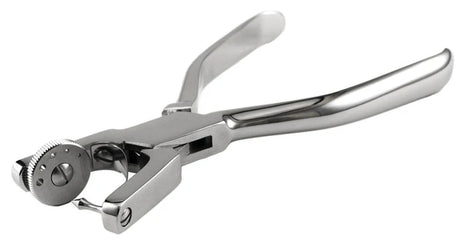
Ainsworth Punch Hole Precision: Choose Rubber Dam Instruments like punches that feature a rotating disc with at least five distinct hole sizes (typically 1mm to 2mm). High-quality punches ensure a clean, "burr-free" cut, which is technically required to prevent the rubber dam sheet from tearing when stretched over the clamps.
Forceps Tension and Locking Mechanism: Prioritize forceps within your Rubber Dam Instruments kit that feature a sliding lock and high-tension spring. This allows the clinician to expand the clamp and lock it in position, ensuring a stable and safe transfer to the tooth without accidental dislodgement.
Medical-Grade Stainless Steel (AISI 420): Ensure all metallic Rubber Dam Instruments are manufactured from surgical-grade AISI 420 stainless steel. This material is essential for resisting corrosion and maintaining the structural integrity of the punch and forceps through repeated 134°C autoclave cycles.
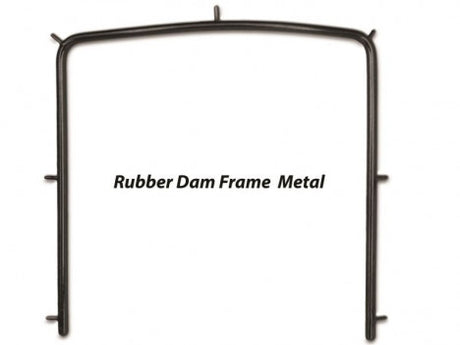
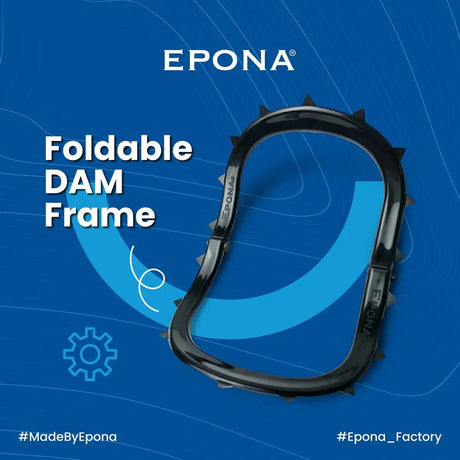
Frame Material and Radiopacity: Select frames that are either high-tempered stainless steel for maximum retraction or radiolucent plastic. Plastic frames are a technical requirement for procedures involving frequent digital X-rays, as they prevent "shadowing" or artifacts from obstructing the diagnostic view.
Ergonomic Handle Grip: Opt for Rubber Dam Instruments with textured or knurled handles. A non-slip grip is vital for maintaining tactile control during the high-tension phase of dam placement, especially when working in the posterior segments of the oral cavity.