


Woodpecker
Woodpecker I-LED MAX Light Cure
Very low stock (1 unit)Regular price LE 4,750.00 EGPUnit price /Unavailable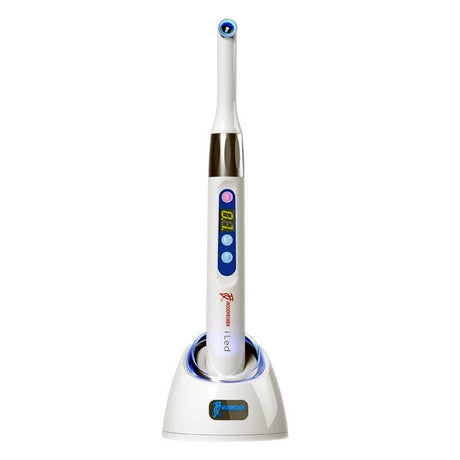
Woodpecker
Very low stock (2 units)Regular price LE 3,975.00 EGPUnit price /Unavailable
Eighteeth
Eighteeth Curing Pen E Light Cure
Very low stock (3 units)Regular price LE 3,500.00 EGPUnit price /Unavailable
Refine
Refine MaxCure 3 Pro Light Cure
Low stock (10 units)Regular price LE 2,500.00 EGPUnit price /Unavailable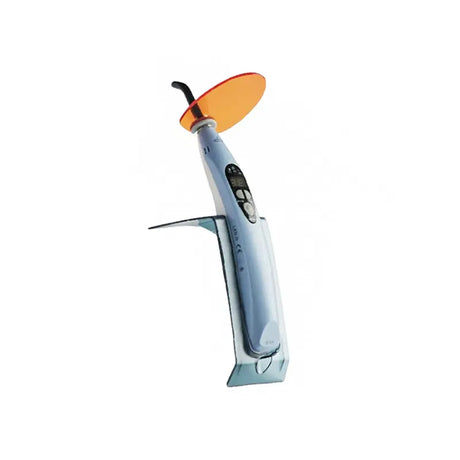
Woodpecker
Very low stock (3 units)Regular price LE 2,720.00 EGPUnit price /Unavailable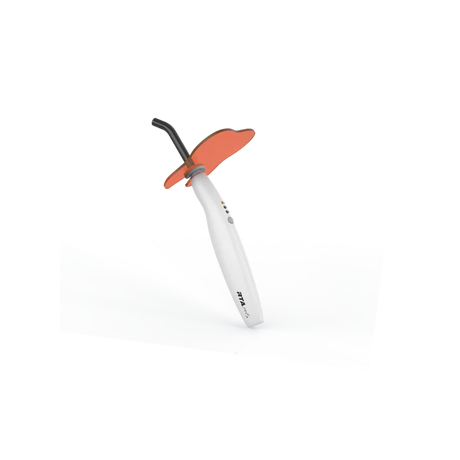
Woodpecker
Woodpecker RTA Mini S Light-Cure
Very low stock (2 units)Regular price LE 2,150.00 EGPUnit price /Unavailable
Monitex
Monitex TwinWave GT-2000 dental curing light Unit
Low stock (20 units)Regular price LE 19,950.00 EGPUnit price /Unavailable
GENERIC
Very low stock (4 units)Regular price LE 2,000.00 EGPUnit price /Unavailable
Woodpecker DBA
Woodpecker DPA O-lightpro Light Cure
Very low stock (2 units)Regular price LE 4,350.00 EGPUnit price /UnavailableAsnanco
Dental magnetic point curing lenses
Low stock (9 units)Regular price LE 785.00 EGPUnit price /Unavailable-

Refine
Low stock (10 units)Regular price LE 1,600.00 EGPUnit price /Unavailable
Woodpecker DTE
Very low stock (4 units)Regular price LE 2,900.00 EGPUnit price /Unavailable
GENERIC
Very low stock (2 units)Regular price LE 1,450.00 EGPUnit price /Unavailable New arrival
Woodpecker
Woodpecker Rta light cure charger
Low stock (10 units)Regular price LE 620.00 EGPUnit price /Unavailable
Easy in smile
Low stock (15 units)Regular price LE 375.00 EGPUnit price /UnavailableUltradent
Ultradent Valo-X-Led Curing Light
Very low stock (5 units)Regular price LE 125,000.00 EGPUnit price /Unavailable-


How to Choose the Right LED Curing Light for Your Practice
- Irradiance — Most modern LED units deliver 1,000–3,000+ mW/cm²; adequate irradiance at the correct wavelength is required to fully polymerize resin depth, particularly for bulk-fill composites placed in 4–5mm increments.
- Wavelength Range — Multi-wave (polywave) LEDs emit across 385–515nm to cure both camphorquinone-based and TPO/Lucirin-based photoinitiators, while single-wave units (~450–470nm) only reliably cure camphorquinone-based materials.
- Cure Time and Modes — Standard mode (~10–20 seconds per 2mm increment), high-power fast-cure mode (as low as 1–3 seconds), and ramp/soft-start modes that reduce polymerization shrinkage stress are common selectable options.
- Light Guide Tip Diameter — Larger diameter tips (8–10mm) cure a wider surface area per exposure but may reduce irradiance at the tip's outer edge; confirm the tip diameter suits the restorations typically placed.
- Battery vs Corded Design — Cordless units offer chairside mobility between operatories, while corded units typically sustain consistent output over long curing sessions without battery depletion concerns.
- Radiometer Verification — Output should be checked periodically with a radiometer, since LED intensity can degrade over time from tip contamination or LED aging, directly affecting cure depth and restoration longevity.
Curing Light Specifications at a Glance
| Feature | Typical Range | Clinical Significance |
|---|---|---|
| Irradiance | 1,000–3,000+ mW/cm² | Higher irradiance shortens required cure time per increment |
| Wavelength | 385–515nm (polywave) or ~450–470nm (single-wave) | Polywave cures a broader range of photoinitiators and shades |
| Cure Time | 1–20 seconds per mode | Fast-cure modes reduce chair time but require correct technique |
| Light Guide Diameter | 8–10mm typical | Matches restoration size to exposure area |
Availability & Delivery in Egypt
MedSTA prices LED curing lights in EGP with nationwide delivery across Egypt. Keep the light guide free of composite residue and verify battery charge before procedures, since inconsistent charging cycles can shorten cordless battery lifespan over time.
Frequently Asked Questions
What is the difference between a single-wave and a polywave LED curing light?
What is the difference between a single-wave and a polywave LED curing light?
Single-wave LEDs emit a narrow band around 450-470nm and reliably cure only camphorquinone-based photoinitiators, while polywave LEDs emit across a broader 385-515nm range, allowing them to also cure TPO/Lucirin-based initiators found in some bleach-shade composites and cements.
How long should a curing light be held over a composite increment?
How long should a curing light be held over a composite increment?
Cure time depends on the unit's irradiance and mode, but a common baseline is 10-20 seconds per 2mm increment in standard mode. Always follow the specific composite manufacturer's cure time recommendation for the shade and thickness used.
How can I verify my curing light is still delivering adequate output?
How can I verify my curing light is still delivering adequate output?
Check output periodically with a dedicated radiometer rather than relying on visual brightness alone, since LED intensity can degrade gradually from tip contamination, scratches, or LED aging without an obvious visible change.
Can bulk-fill composites be cured with any LED curing light?
Can bulk-fill composites be cured with any LED curing light?
Bulk-fill composites are formulated for deeper cure depth but still require adequate irradiance and correct exposure time at the recommended increment thickness, commonly 4-5mm. Always confirm the manufacturer's specific cure time for the light's irradiance level.
How should cordless LED curing lights be maintained in Egyptian clinic conditions?
How should cordless LED curing lights be maintained in Egyptian clinic conditions?
Charge cordless units fully between patients per the manufacturer's cycle, avoid leaving them in direct sunlight or a hot car during transport, and wipe the light guide tip clean of composite residue after every use.