• Free shipping over 5000E£

  • Free help & advice

  • Hassle-free returns

  • Open 7 days a week

50% Off shipping fee

receiveup to 50% off shipping costs of orders above 500LE

SHIPPING50

Buy expert Obturation Materials in Egypt

(28 products)

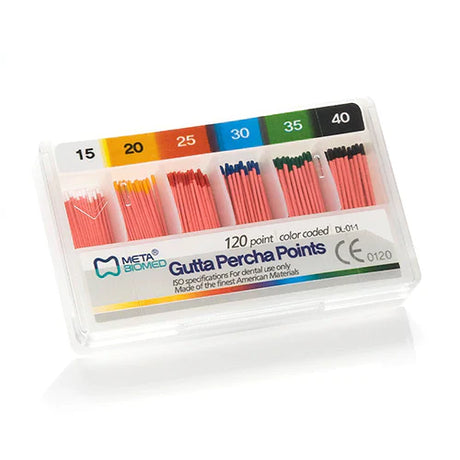
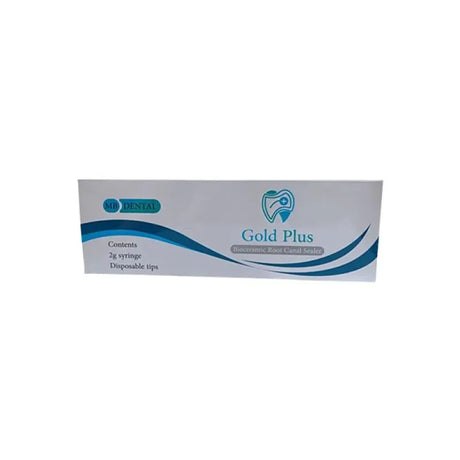
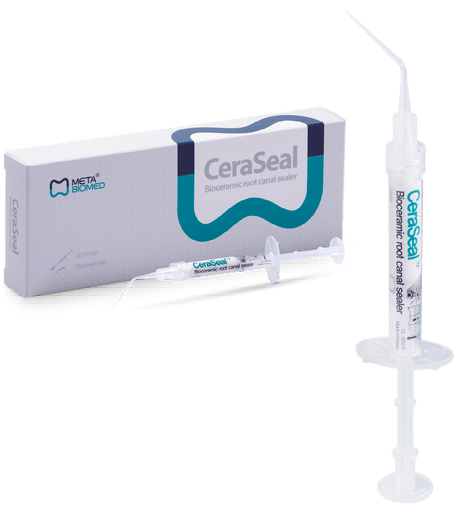
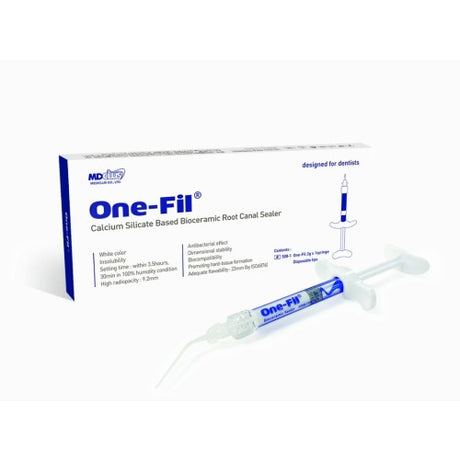
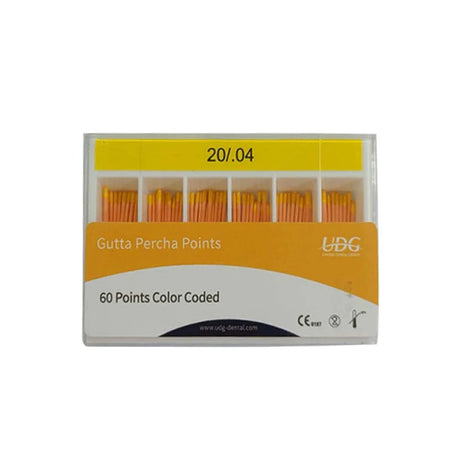
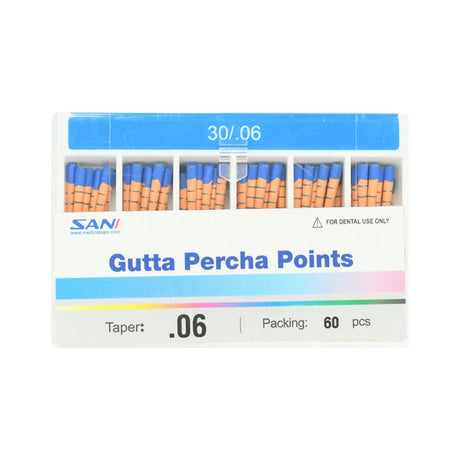
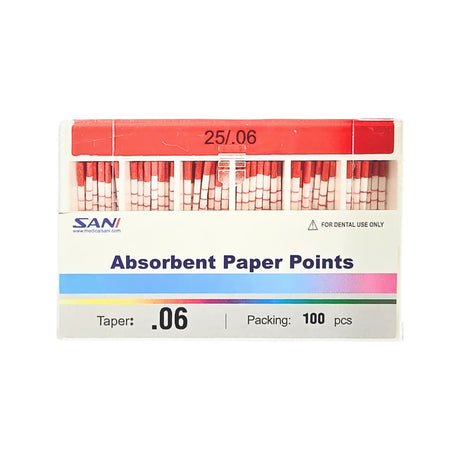
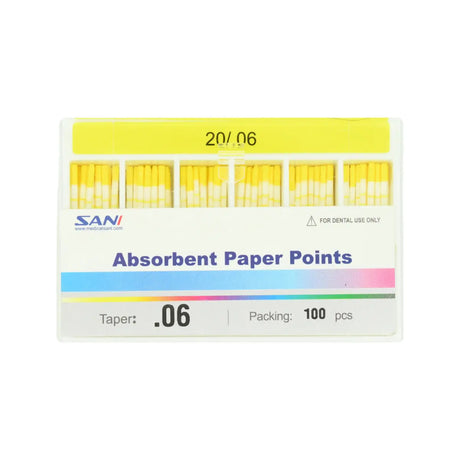
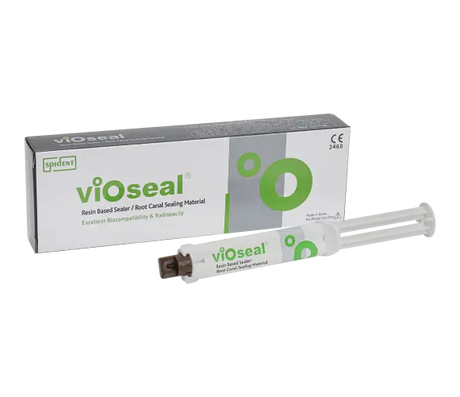
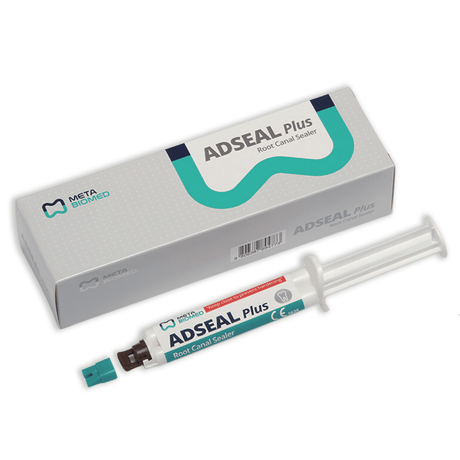
In the final and most critical phase of root canal therapy, the selection of Obturation Materials determines the long-term success of the treatment by providing a permanent, three-dimensional hermetic seal of the root canal system. Within the Egyptian dental market, practitioners require materials that offer high dimensional stability and superior biocompatibility to prevent the ingress of microorganisms and the potential for periapical reinfection. At MedSTA, our comprehensive range of Obturation Materials, including specialized gutta percha points, absorbent paper points, and advanced root canal sealers, is part of an elite portfolio of endodontic supplies designed for clinical excellence. By utilizing high-standard Obturation Materials, clinicians ensure a predictable apical seal, which is the cornerstone of successful endodontic rehabilitation for patients across the country.

How to Choose the Right Obturation Materials for Your Practice

ISO Standardized Taper and Sizing: Choose Obturation Materials like gutta percha points that match the exact taper (e.g., .02, .04, or .06) of your rotary or manual files. A precision fit at the apical third is technically required to ensure a "tug-back" sensation, which is essential for a dense, void-free obturation.

Radio-opacity Levels (mm Al): Prioritize Obturation Materials with a radio-opacity value exceeding 3mm of aluminum. High radio-opacity ensures the filling is clearly visible on digital X-rays, allowing the Egyptian clinician to verify the density of the fill and the presence of any lateral canal sealer puffs.

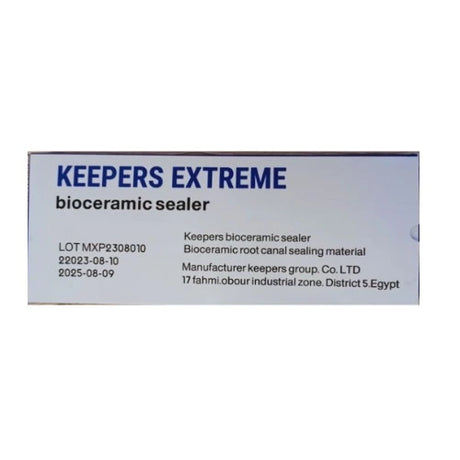
Sealer Chemical Composition (Bioceramic vs. Resin): Select Obturation Materials based on your condensation technique. For warm vertical compaction, resin-based sealers offer high heat stability. For single-cone techniques, bioceramic sealers are preferred for their high pH (above 12) and their ability to form a chemical bond to the dentin.

Dimensional Stability and Shrinkage: Opt for Obturation Materials that exhibit near-zero shrinkage upon setting. Materials that maintain their volume over time are critical for preventing the formation of micro-gaps between the sealer and the canal wall, which is the primary cause of long-term endodontic failure.

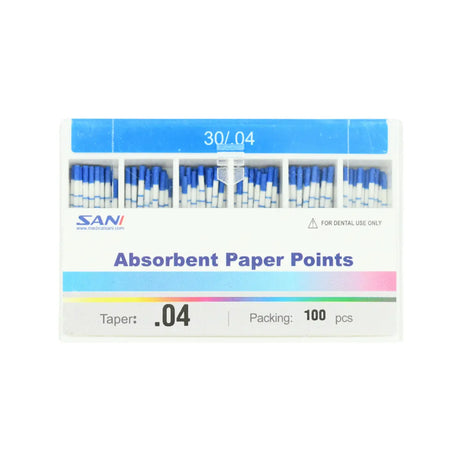
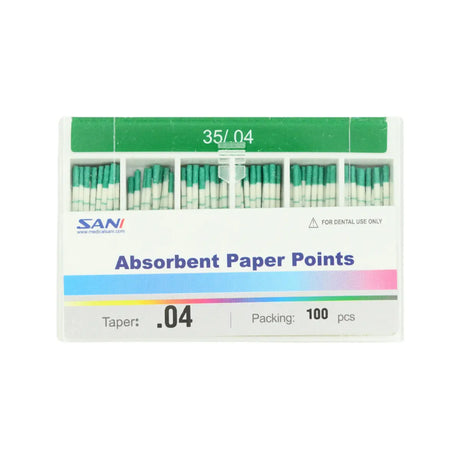
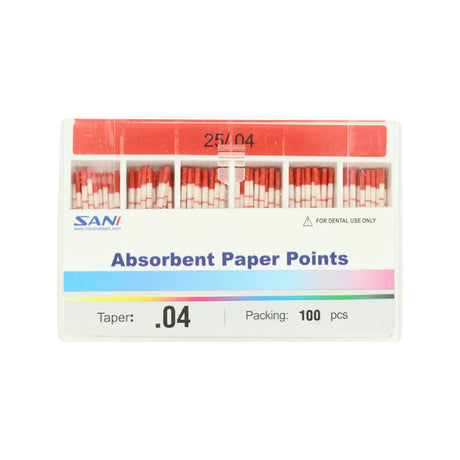
Absorbency and Sterile Packaging: Ensure your Obturation Materials include highly absorbent paper points provided in cell-packs or sterile compartments. The canal must be completely dry before obturation, as any residual moisture will compromise the sealer’s bond and the overall seal.


View as

FAQs

Why is a bioceramic sealer often preferred among modern Obturation Materials? 

Bioceramic sealers are highly biocompatible and hydrophilic, meaning they use the moisture within the dentinal tubules to set. They provide a chemical bond and an antibacterial environment, which is highly valued in the local market for increasing success rates in complex cases.

How do I prevent "overfilling" when using these Obturation Materials? 

To avoid apical extrusion, ensure you establish an accurate working length and a proper "apical stop" during shaping. Selecting a master cone from your Obturation Materials that has a precise fit at the apex will act as a physical barrier against excess sealer.

Can I use the same Obturation Materials for lateral and vertical condensation? 

While gutta percha is universal, the taper matters. Standard .02 taper cones are best for lateral condensation, while higher-taper cones (.04 or .06) or "pellet" gutta percha are designed specifically for warm vertical compaction systems.

Does the shelf life of Obturation Materials affect the seal? 

Yes. Over time, gutta percha can become brittle and sealers can lose their flow properties. In the local climate, always store your Obturation Materials in a cool, dark place to maintain their flexibility and ensure the chemical catalysts remain active.

How should I dry the canal before applying Obturation Materials? 

Always use sterilized paper points that match the size of your last file. Using a series of points until one comes out completely dry is the only way to ensure the Obturation Materials can properly adapt to the dentinal walls without interference from moisture.

Compare /5

Loading...