

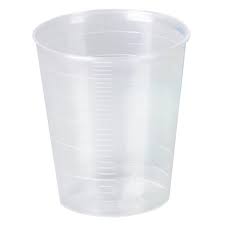
GENERIC
In stock (47 units)Regular price LE 25.00 EGPUnit price /Unavailable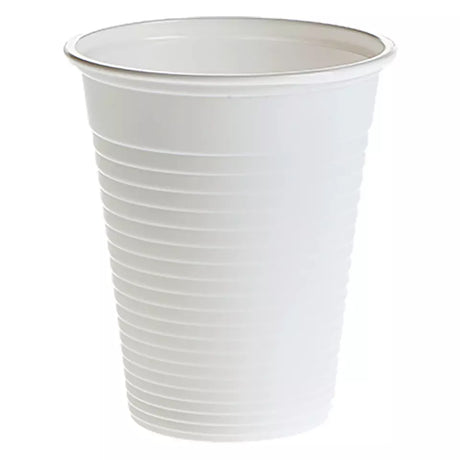
GENERIC
In stock (21 units)Regular price LE 45.00 EGPUnit price /Unavailable
How to Choose the Right Disposable Dental Cups for Your Practice
- Material: Polypropylene (PP) vs. Polyethylene (PE) — Polypropylene (PP) cups are more rigid and hold their shape during patient rinsing, reducing spillage onto the bib and clothing. Polyethylene cups are more flexible and lower cost, suitable for low-pressure rinse steps but may deform under patient grip. PP is the standard choice for chairside dental use in Egyptian clinics due to its dimensional stability at ambient temperatures.
- Capacity: 150ml (5 oz) Standard — The dental industry standard is 150ml (5 oz) capacity, matching chairside cup dispenser holders built into most dental unit designs available in Egypt. Confirm your unit’s cup holder diameter (typically 60–65mm base) before ordering; non-standard cup diameters will not seat securely in moulded cup holders.
- Transparent vs. Coloured Cups — Transparent cups allow the dentist and assistant to visually confirm that the patient has rinsed thoroughly and to observe rinse water colour for blood. Coloured cups are used in some practices for patient identification or to match clinic branding. Both are equivalent for infection control purposes; the cup is single-patient-use only.
- Box Count and Cost Efficiency — Standard dental cups are supplied in boxes of 200 or 500 pieces. A busy Egyptian dental clinic treating 20 patients per day uses approximately 40–80 cups (2–4 cups per patient), consuming one 200-piece box every 2–3 days. For a clinic treating 15+ patients daily, a 500-piece box offers better per-unit cost efficiency.
- Ink-Free Inner Surface — Confirm that cups have an ink-free interior surface that will not contaminate rinse water. All medical-grade PP cups use external-only printing; verify that the cups meet general contact material safety requirements for short-term water contact.
- Single-Use Only — Disposable dental cups must never be reused, even after simple rinsing between patients, as biofilm forms on the inner surface after initial use. A fresh cup must be dispensed for each patient at each session.
Disposable Dental Cup Formats at a Glance
| Feature | PP Transparent Cup | Coloured/Medical PP Cup |
|---|---|---|
| Material | Polypropylene (PP) | Polypropylene (PP) |
| Standard capacity | 150ml (5 oz) | 150ml (5 oz) |
| Visibility of rinse | Full visibility | Reduced visibility |
| Box count (typical) | 200–500 pcs | 200–500 pcs |
| Ideal use | Standard chairside rinsing | Patient ID, clinic branding |
Availability & Delivery in Egypt
MedSTA supplies disposable dental cups in transparent and coloured PP formats, priced in EGP with delivery across Cairo, Giza, Alexandria, and all Egyptian governorates within 1–3 business days. Multi-box bulk orders for dental hospitals, university clinics, and multi-chair practices in Egypt are accommodated at volume pricing.
Frequently Asked Questions
What material are disposable dental cups made from, and why does it matter for clinical use?
What material are disposable dental cups made from, and why does it matter for clinical use?
Dental disposable cups are made from either polypropylene (PP) or polyethylene (PE). PP cups are more rigid, resist deformation under patient grip, and maintain their shape throughout the rinsing procedure — preventing spillage onto the patient’s clothing and bib. PE cups are softer and more flexible, which can cause them to collapse when patients grip them firmly. For chairside dental use, PP is the preferred material. The cup must be food-contact grade to ensure the inner surface does not leach plasticisers into the rinse water.
What is the standard capacity of a disposable dental rinsing cup, and does it fit all dental unit cup holders?
What is the standard capacity of a disposable dental rinsing cup, and does it fit all dental unit cup holders?
The dental industry standard capacity is 150ml (5 oz). Most dental unit chairside cup holders are moulded to accept a cup with a base diameter of 60–65mm, which is the standard PP dental cup dimension. Before ordering, confirm your unit’s cup holder diameter, as some older Egyptian dental units (particularly Soviet-era and early Chinese-manufactured chairs) use non-standard holder diameters. Using a cup that is too narrow will not seat securely; a cup that is too wide will not fit at all.
How many disposable dental cups does a typical Egyptian dental clinic use per week?
How many disposable dental cups does a typical Egyptian dental clinic use per week?
A single-operator Egyptian dental clinic treating 15–20 patients per day typically uses 2–4 cups per patient across examination, preparation, and post-procedure rinsing steps, consuming 30–80 cups per day or 150–400 cups per five-day clinical week. A 200-piece box lasts approximately 3–5 days for a moderate-volume clinic. Multi-chair dental centres and university dental clinics in Egypt should purchase in 500-piece boxes or multi-box orders for cost efficiency.
Can coloured and transparent dental cups serve different clinical purposes?
Can coloured and transparent dental cups serve different clinical purposes?
Transparent cups allow the clinician to visually assess rinse water colour — useful for monitoring post-extraction bleeding (blood-tinged rinse), peroxide whitening (clear rinse confirming adequate dilution), or irrigant residue. Coloured cups are used primarily for patient identification in multi-chair settings (assigning a cup colour per dental chair) or for clinic branding. Both are single-use, made from the same PP material, and are clinically equivalent for infection control. Choose based on whether rinse-water monitoring is a priority in your clinical workflow.
Are disposable dental cups compliant with Egyptian healthcare waste disposal regulations?
Are disposable dental cups compliant with Egyptian healthcare waste disposal regulations?
Disposable dental cups used for patient rinsing are classified as clinical waste (potentially contaminated with saliva, blood, or medication residues) and should be disposed of in the clinical waste bin (yellow bag) at the end of each patient’s appointment, consistent with Egyptian Ministry of Health healthcare waste management guidelines. They must not be disposed of in general municipal waste. Cups that have only had water contact and are confirmed uncontaminated may be disposed of in municipal solid waste at the clinician’s discretion, consistent with local clinic policy.