
Aegis-lifesciences
In stock (29 units)Regular price LE 125.00 EGPUnit price /Unavailable-
GENERIC
In stock (55 units)Regular price From LE 50.00 EGPUnit price /Unavailable-

GENERIC
Low stock (10 units)Regular price LE 39.00 EGPUnit price /Unavailable
 Up to 17% off
Taisier-med
Low stock (19 units)Sale price LE 225.00 EGP Regular price LE 270.00Unit price /Unavailable
GENERIC
Very low stock (7 units)Regular price LE 29.00 EGPUnit price /Unavailable-
- Up to 33% off
GENERIC
In stock (90 units)Regular price From LE 30.00 EGPUnit price /Unavailable -
-
B CHEM
In stock (23 units)Regular price LE 60.00 EGPUnit price /Unavailable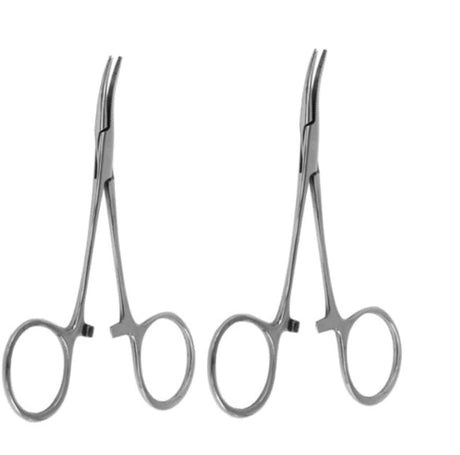
GENERIC
Low stock (12 units)Regular price LE 85.00 EGPUnit price /Unavailable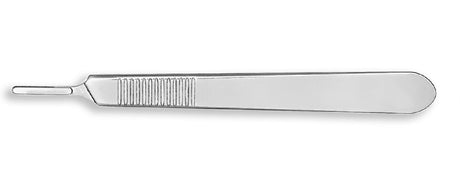
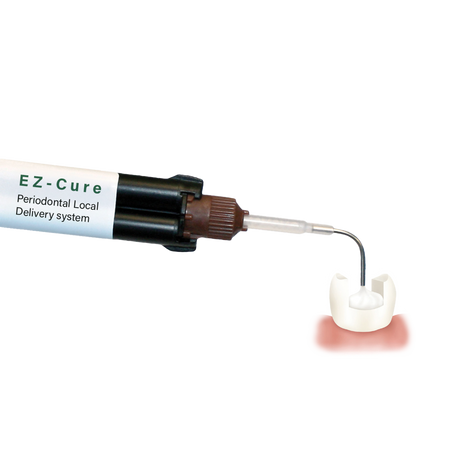
EZ-PAC
In stock (25 units)Regular price LE 250.00 EGPUnit price /Unavailable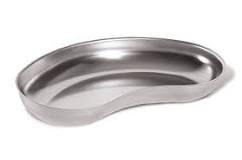
GENERIC
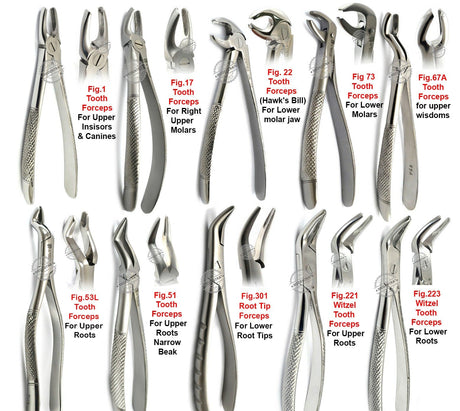
Dental Surgical Extraction Forceps
In stock (47 units)Regular price LE 250.00 EGPUnit price /Unavailable





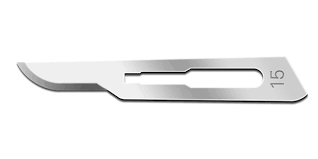
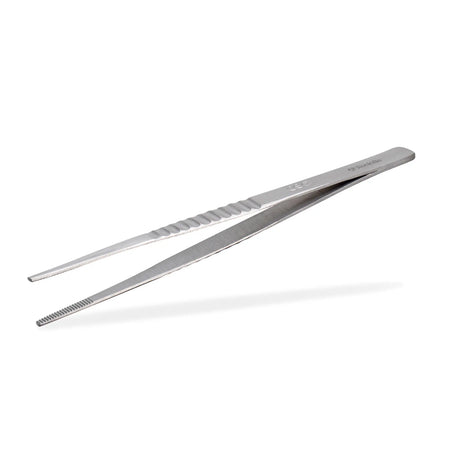
How to Choose Oral Surgery and Periodontics Instruments
- Surgical-grade stainless steel (AISI 420/440) — All oral surgery and periodontal instruments must be manufactured from AISI 420 or 440 high-carbon martensitic stainless steel, heat-treated to HRC 52–60 hardness. This grade maintains a functional cutting edge on curettes and scalers through repeated autoclave cycles at 134°C. Instruments made from austenitic grades (e.g. 304/316) are softer and do not hold a working edge — avoid suppliers that do not specify the steel grade.
- Periodontal probe calibration — Williams vs WHO probe — The Williams probe has markings at 1, 2, 3, 5, 7, 8, 9, and 10 mm, useful for assessing attachment loss in detail. The WHO/CPI probe (ball-tipped, 3.5 mm black band) is designed for Community Periodontal Index screening and is mandated for BPE (Basic Periodontal Examination) scoring. For full clinical records in Egyptian specialist periodontal practices, a Williams probe is preferred; for rapid initial screening in general practice, the WHO probe is sufficient.
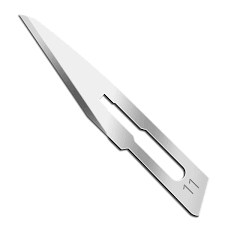
- Elevator blade design and root morphology — Straight elevators (Coupland 1, 2, 3) apply force in the long axis of the tooth for simple extractions. Curved (Warwick James) and angular (Cryer) elevators are used to engage the furcation of multi-rooted teeth. For surgical access in impacted lower third molars, a periosteal elevator with a wider, flat blade is used for flap reflection. AISI 420 elevators with ergonomic octagonal handles reduce rotational slippage during application of extraction force.
- Suture material selection for oral surgery — Vicryl (polyglactin 910, absorbable, tensile strength maintained for 3–4 weeks) is the first choice for mucosal wound closure after extractions and periodontal flap surgery. Silk (braided, non-absorbable) remains widely used in Egyptian oral surgery practices due to availability, familiarity, and low cost, but requires removal at 7–10 days and carries higher tissue drag. Nylon (monofilament, non-absorbable) is the choice for skin sutures in extra-oral surgical cases.
- Curette selection — universal vs Gracey — Universal curettes (e.g. Columbia 4R/4L) have a dual-cutting edge and can be used on all tooth surfaces with one instrument. Gracey curettes (7/8 for buccal/lingual surfaces, 13/14 for distal surfaces of posterior teeth) are area-specific with a single cutting edge angled at 70°, providing better access and tissue displacement in deep pockets. Gracey curettes are the standard for subgingival root planing in periodontal specialist practice in Egypt.
Oral Surgery & Perio Supply Categories
| Category | Key Products | Clinical Use |
|---|---|---|
| Extraction Instruments | Forceps, elevators, periosteal elevators | Tooth extraction, flap surgery |
| Sutures | Vicryl, silk, nylon, PGA | Wound closure after surgery |
| Periodontal Instruments | Scalers, curettes, probes, periotomes | Scaling, root planing, diagnostic |
| Haemostatic Agents | Gelatin sponge, haemostatic gel | Post-operative bleeding control |
| Periodontal Materials | Pocket medication, Periochip | Adjunctive periodontal therapy |
Availability & Delivery in Egypt
MedSTA stocks a complete range of oral surgery and periodontics supplies priced in EGP. Delivery covers Cairo and Giza within 24–48 hours and all other Egyptian governorates within 3–5 working days. Instrument sets available for oral surgery departments and periodontal specialist clinics.
Frequently Asked Questions
What steel grade should oral surgery and periodontal instruments be manufactured from?
What steel grade should oral surgery and periodontal instruments be manufactured from?
Oral surgery and periodontal instruments should be manufactured from AISI 420 or AISI 440 martensitic stainless steel, heat-treated to a hardness of HRC 52–60. This grade provides the carbon content and hardness needed to maintain a functional cutting edge on curettes, scalers, and surgical blades through repeated autoclave sterilisation at 134°C. Instruments made from austenitic grades (AISI 304 or 316) are significantly softer and do not hold an adequate edge for clinical use. When purchasing instruments, request steel grade certification or look for markings confirming ISO 7153-1 compliance, which specifies material requirements for dental hand instruments.
What suture material is best for wound closure after dental extractions?
What suture material is best for wound closure after dental extractions?
For routine post-extraction wound closure, Vicryl (polyglactin 910) in size 3-0 or 4-0 is the evidence-based first choice — it maintains adequate tensile strength for 3–4 weeks (sufficient for complete mucosal healing) and is fully absorbed by 56–70 days, eliminating suture removal in most cases. Silk sutures (braided, non-absorbable) are still widely used in Egyptian oral surgery practice due to cost and familiarity but require removal at 7–10 days and show higher plaque accumulation due to the braided surface. Monofilament nylon is preferred for skin sutures in extra-oral maxillofacial procedures due to its low tissue reactivity.
What is the difference between a Williams and a WHO (CPI) periodontal probe?
What is the difference between a Williams and a WHO (CPI) periodontal probe?
The Williams probe has markings at 1, 2, 3, 5, 7, 8, 9, and 10 mm from the tip — a non-uniform scale designed for detailed attachment level measurement, pocket depth recording, and monitoring of treatment response. The WHO/CPI probe has a 0.5 mm ball tip, a black band from 3.5 to 5.5 mm, and is standardised for Basic Periodontal Examination (BPE) scoring — it screens for pocketing above 3.5 mm and above 5.5 mm, but does not provide the attachment level detail of a Williams probe. Egyptian periodontal specialist practices typically use Williams probes for detailed charting; general dental practitioners use CPI probes for rapid triage and recall screening.
How should oral surgery instruments be maintained to prevent corrosion in Egyptian clinic conditions?
How should oral surgery instruments be maintained to prevent corrosion in Egyptian clinic conditions?
After use, instruments should be rinsed under running water immediately to remove blood and debris before it dries. Ultrasonic cleaning in an enzyme cleaner solution at 45–55°C for 5–10 minutes is more effective than hand scrubbing for debris in instrument crevices. Before autoclaving at 134°C, dry instruments completely — residual water on martensitic AISI 420 steel can cause surface oxidation (brown spotting) over repeated cycles, which does not indicate corrosion if the steel specification is correct. After autoclaving, store instruments in a closed, dry cabinet rather than on open surgical trays exposed to Egyptian summer humidity, which can accelerate surface corrosion.
Does MedSTA supply oral surgery and periodontal instruments to Egyptian specialist clinics?
Does MedSTA supply oral surgery and periodontal instruments to Egyptian specialist clinics?
Yes — MedSTA stocks a comprehensive range of oral surgery and periodontics supplies including extraction forceps (upper and lower, full dentition), periosteal elevators, surgical scissors, needle holders, Vicryl and silk sutures, periodontal probes (Williams and WHO), Gracey and universal curettes, haemostatic agents, and pocket medication — all priced in EGP. Delivery covers Cairo and Giza within 24–48 hours and all other Egyptian governorates within 3–5 working days. MedSTA serves both private periodontal specialist clinics and oral surgery departments at Egyptian dental hospitals.