


Asnanco
Asnanco Usb extender for sensor 1 meter
Low stock (16 units)Regular price LE 310.00 EGPUnit price /Unavailable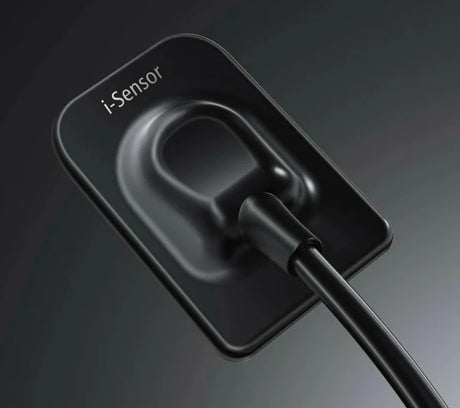
Woodpecker
Very low stock (2 units)Regular price LE 35,350.00 EGPUnit price /Unavailable
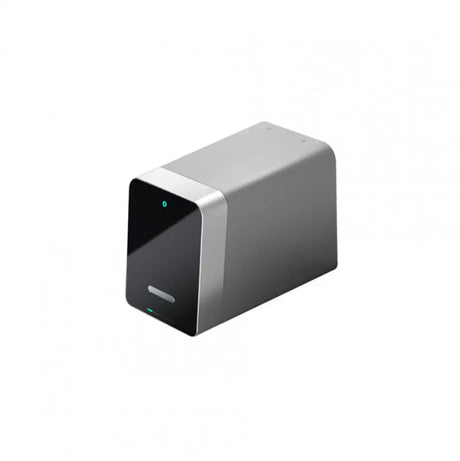
Woson
Very low stock (5 units)Regular price LE 34,750.00 EGPUnit price /Unavailable
Remedi
Very low stock (3 units)Regular price From LE 77,250.00 EGPUnit price /UnavailableWoodpecker DTE
Very low stock (5 units)Regular price LE 35,000.00 EGPUnit price /Unavailable-
 8% off
Woodpecker
Woodpecker Free Scan PSP Scanner
Very low stock (5 units)Sale price LE 175,000.00 EGP Regular price LE 190,000.00Unit price /Unavailable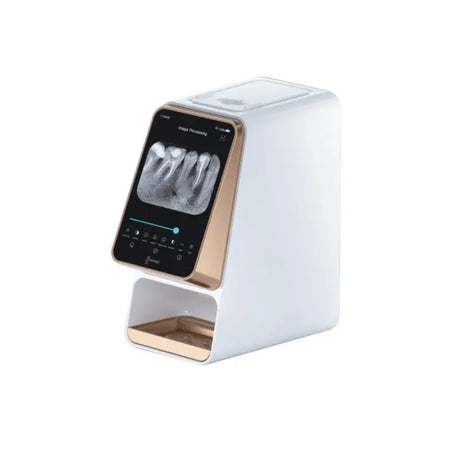
Woodpecker
Very low stock (5 units)Regular price LE 265,000.00 EGPUnit price /Unavailable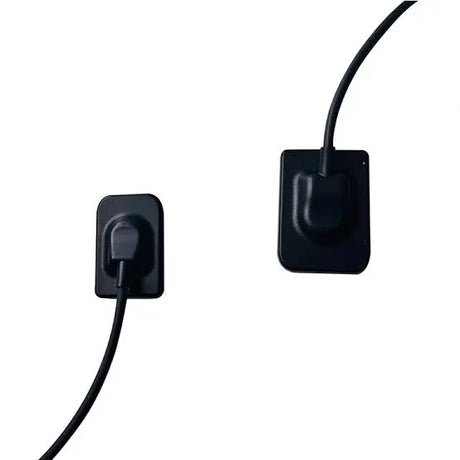
Kp KevinPeter
In stock (30 units)Regular price From LE 38,000.00 EGPUnit price /Unavailable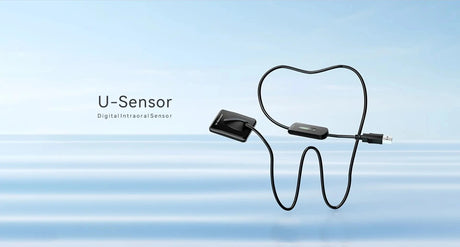
Kp KevinPeter
Very low stock (3 units)Regular price LE 31,500.00 EGPUnit price /Unavailable


How to Choose the Right Digital X-ray Sensor for Your Practice
- Sensor Size — Size 0 (pediatric/anterior), Size 1 (adult anterior), and Size 1.5/2 (posterior bitewing/periapical) cover different arch regions; most clinics stock Size 1 and Size 2 as a core pair.
- Active Pixel Resolution — Line-pair resolution (lp/mm) determines the finest detail resolvable, relevant for detecting early proximal caries and hairline root fractures; higher-end sensors report 20+ lp/mm.
- Cable vs. Wireless Connection — USB-tethered sensors avoid battery/charging management but limit operatory mobility; wireless sensors add flexibility at higher cost and require charging discipline between patients.
- Active Sensing Area vs. Footprint — A larger active area relative to the sensor’s outer casing captures more anatomy per exposure, reducing retakes from cone-cutting at the sensor edge.
- Edge/Corner Durability — Reinforced beveled edges and drop-tested casings reduce cracked-sensor replacement cost, a meaningful factor given sensor unit cost.
- Software/TWAIN Compatibility — Confirm the sensor’s driver integrates with the practice’s existing imaging software (TWAIN/USB standard) before purchase to avoid workflow disruption.
Digital X-ray Sensor Sizes at a Glance
| Size | Region | Typical Use |
|---|---|---|
| Size 0 | Anterior, pediatric | Small mouths, children’s periapicals |
| Size 1 | Anterior | Adult anterior periapicals |
| Size 1.5 | Anterior/premolar transition | Bitewing and premolar periapicals |
| Size 2 | Posterior | Adult posterior periapicals and bitewings |
Availability & Delivery in Egypt
MedSTA supplies digital X-ray sensors in EGP with delivery to dental clinics across Cairo, Giza, Alexandria, and other Egyptian governorates. A disposable barrier sleeve on every exposure plus padded storage between patients reduces the drop- and bite-related cracks that account for most premature sensor replacements.
Frequently Asked Questions
What sensor size should I stock for a general dental practice in Egypt?
What sensor size should I stock for a general dental practice in Egypt?
Most Egyptian general practices stock Size 1 for anterior periapicals and Size 2 for posterior periapicals and bitewings as the core pair, adding Size 0 only if the practice treats a significant pediatric caseload.
What resolution should a digital sensor have for endodontic diagnostics?
What resolution should a digital sensor have for endodontic diagnostics?
A minimum of 15–20 line pairs per millimetre (lp/mm) is recommended for endodontic work, since resolving fine canal anatomy and confirming working length on a periapical image benefits directly from higher spatial resolution than routine caries screening requires.
Is a wired or wireless digital sensor better for a busy Egyptian clinic?
Is a wired or wireless digital sensor better for a busy Egyptian clinic?
Wired (USB-tethered) sensors avoid battery management and are the more common choice in single-operatory Egyptian clinics; wireless sensors suit practices prioritising cable-free positioning across multiple treatment rooms but require a charging routine between patients.
How fragile are digital X-ray sensors, and how should they be protected?
How fragile are digital X-ray sensors, and how should they be protected?
The CMOS chip and edge seal are the most failure-prone components. A disposable barrier sleeve on every exposure plus a padded storage case between patients meaningfully reduces the drop- and bite-related cracks that account for most premature sensor replacements.
Does MedSTA supply digital X-ray sensors across Egypt?
Does MedSTA supply digital X-ray sensors across Egypt?
Yes. MedSTA supplies digital X-ray sensors from Woodpecker, DTE, Remedi, and Elephant across Cairo, Giza, Alexandria, and other Egyptian governorates, priced in EGP with fast delivery.