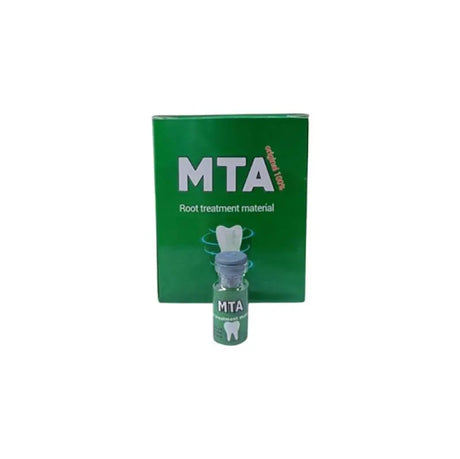
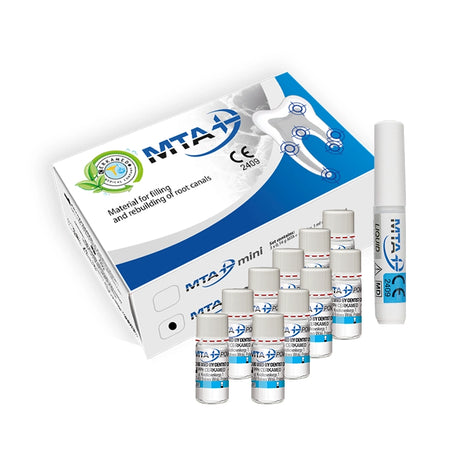
In the high-standard Egyptian dental market, the introduction of mineral trioxide aggregate (MTA) has redefined the possibilities of tooth preservation. Known for its exceptional biocompatibility and ability to stimulate the formation of hard tissue, mineral trioxide aggregate (MTA) is the clinical gold standard for treating root perforations, performing apexification, and managing internal resorption. Unlike traditional materials, mineral trioxide aggregate (MTA) is hydrophilic, allowing it to set perfectly in the presence of moisture or blood, which is essential for successful surgical and non-surgical endodontic procedures. As a cornerstone of our premium endodontic supplies range, we provide high-purity mineral trioxide aggregate (MTA) that empowers clinicians to achieve superior periradicular healing and predictable outcomes in even the most challenging cases.
How to Choose the Right Mineral Trioxide Aggregate (MTA) for Your Practice
Radiopacity and Diagnostic Clarity: Choose mineral trioxide aggregate (MTA) with a radiopacity value significantly higher than dentin (typically exceeding 5 mm Al). This ensures that the material is clearly visible on digital X-rays, allowing for precise verification of the seal at the apex or perforation site.
Setting Time Efficiency: Prioritize mineral trioxide aggregate (mta) formulas that offer a controlled setting time. While traditional versions may take several hours, "Fast-Set" varieties can reach a stable state in 15–20 minutes, allowing the Egyptian practitioner to complete a permanent restoration in a single visit.
Non-Staining Chemical Composition: For aesthetic zone procedures, select mineral trioxide aggregate (MTA) that uses tantalum oxide or zirconium oxide as a radiopacifier instead of bismuth oxide. This prevents the grayish discoloration of the tooth structure often seen with older mineral trioxide aggregate (MTA) formulas.
Particle Size and Handling: Opt for mineral trioxide aggregate (mta) with a fine particle size. Finer particles improve the "flow" and adaptation of the material into narrow canal orifices and irregular resorption defects, ensuring a more hermetic and durable seal.
Bioactivity and pH Stability: Ensure the mineral trioxide aggregate (MTA) maintains a high alkaline pH (typically 12.5) during setting. This high alkalinity is critical for providing sustained antibacterial effects and stimulating the migration of osteoblasts for tissue regeneration.