
GENERIC
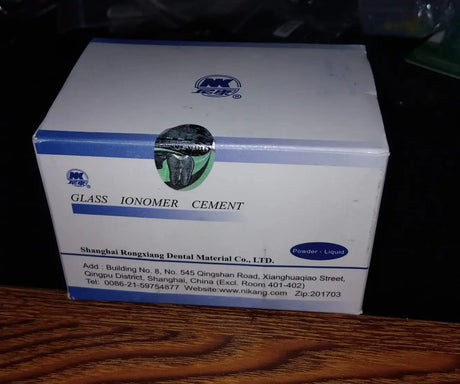
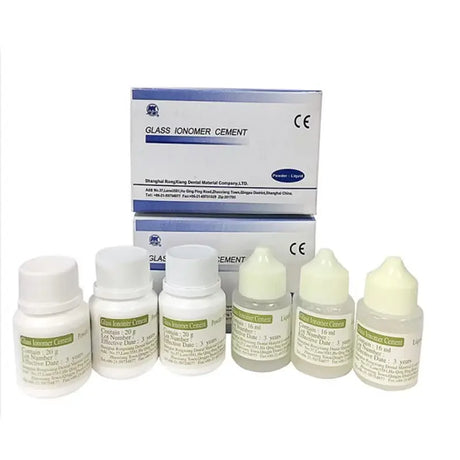
GLASS IONOMER CEMENT - CHINA - 20g and 15ml
Low stock (10 units)Regular price From LE 90.00 EGPUnit price /Unavailable-
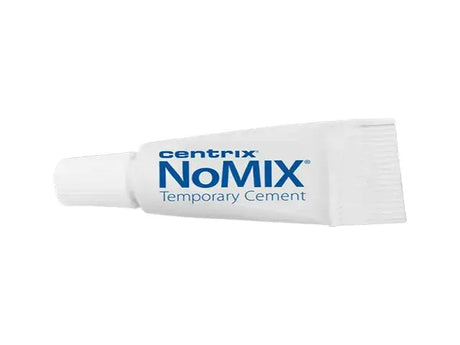
Centrix
Centrix Nomix Temporary Cement 0.5 g tube
In stock (180 units)Regular price LE 95.00 EGPUnit price /Unavailable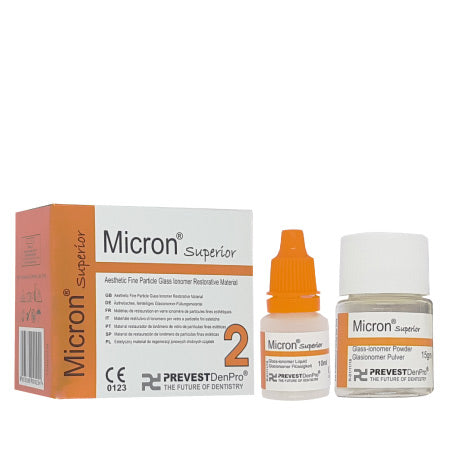
prevest Denpro
Prevest Micron II Superior Glass Ionomer Cement and Filling 15 g powder + 10ml Liquid
Very low stock (5 units)Regular price LE 560.00 EGPUnit price /Unavailable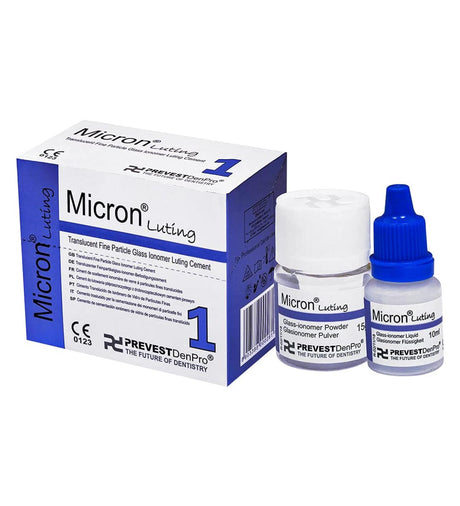
prevest Denpro
Prevest Micron Luting Glass Ionomer Cement 15gm and 10ml
Very low stock (5 units)Regular price LE 550.00 EGPUnit price /Unavailable
HANDAE
Han Luting Dual cured dental resin cement 9 g
Very low stock (4 units)Regular price LE 1,030.00 EGPUnit price /Unavailabledentkist
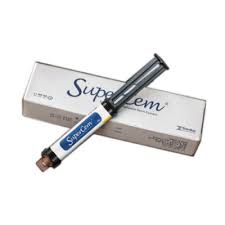
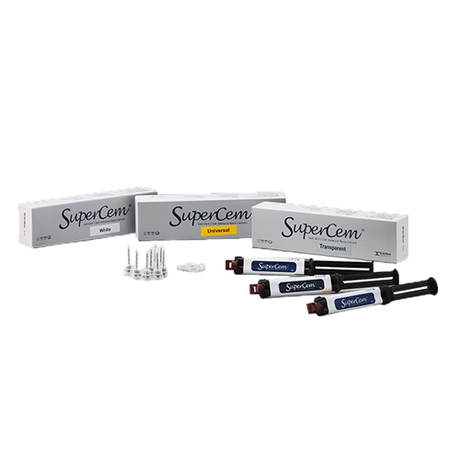
Charm SuperCem dual cured dental resin cement 9 g
Very low stock (4 units)Regular price LE 1,175.00 EGPUnit price /Unavailable-
GC
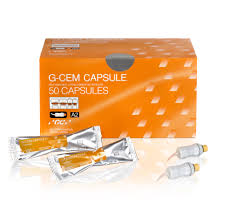
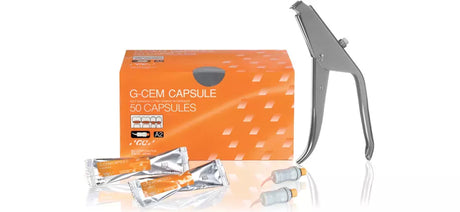
G-CEM Self-Adhesive Resin Luting Cement Capsules 0.17 mL
Very low stock (7 units)Regular price LE 185.00 EGPUnit price /Unavailable-
prevest Denpro
Prevest Zinconol Reinforced ZOE Cement 15g powder + 10ml Liquid
Low stock (10 units)Regular price LE 570.00 EGPUnit price /Unavailable-
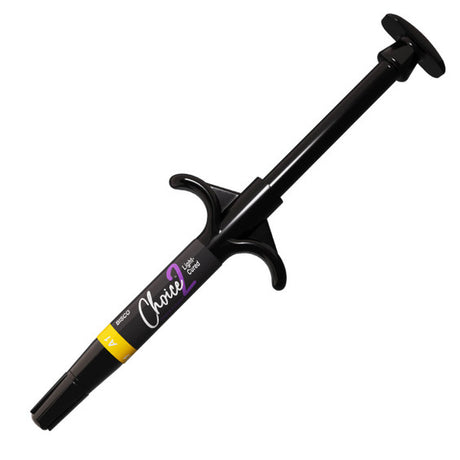
BISCO
Bisco Choice™ 2 Veneer Cement 4.5 g
Very low stock (7 units)Regular price LE 1,200.00 EGPUnit price /Unavailable
Promedica
PROMEDICA Medicem Glass Ionomer Cement 35gm&15ml
Very low stock (5 units)Regular price LE 1,965.00 EGPUnit price /Unavailable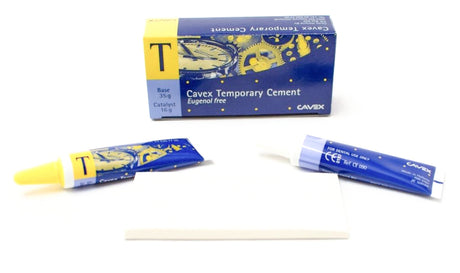
CAVEX
Cavex Temporary Cement 35 g base + 16 g Catalyst
Very low stock (5 units)Regular price LE 790.00 EGPUnit price /Unavailable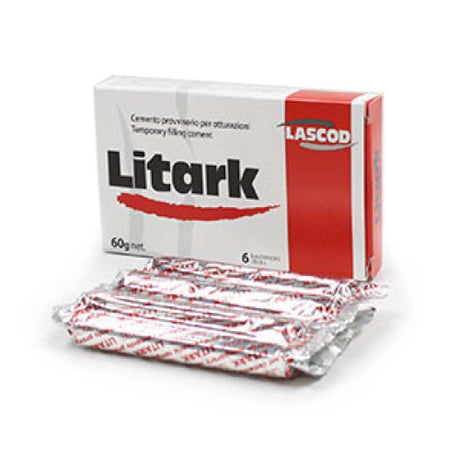
Lascod
Very low stock (5 units)Regular price From LE 60.00 EGPUnit price /Unavailable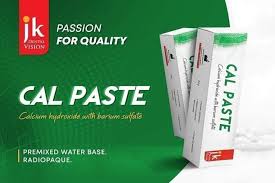
JK Dental Vision
Very low stock (8 units)Regular price LE 195.00 EGPUnit price /Unavailable
prevest Denpro
Very low stock (1 unit)Regular price LE 168.00 EGPUnit price /Unavailable
incidental
RubySE Self-etching Self-adhesive Resin Cement
Low stock (11 units)Regular price LE 649.00 EGPUnit price /Unavailable
Vincismile
TopCEM-Veneer Light Cure Veneer Cement 2.5g
Low stock (9 units)Regular price LE 1,199.00 EGPUnit price /Unavailable