
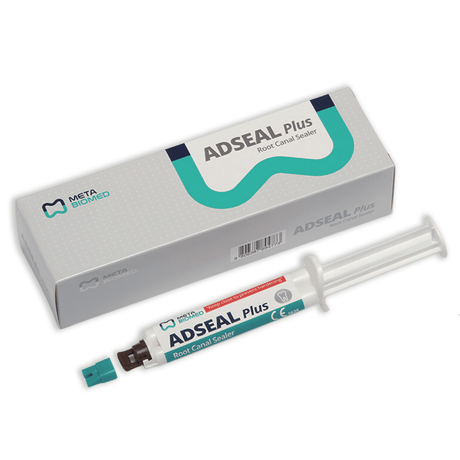
meta biomed
Very low stock (5 units)Regular price LE 870.00 EGPUnit price /Unavailable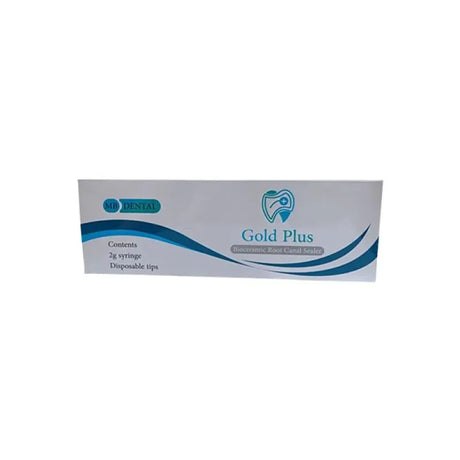
Gold Plus
Gold Plus Bioceramic Sealer 2 g
Very low stock (4 units)Regular price LE 645.00 EGPUnit price /Unavailable
Mediclus
Mediclus ONE FIL PUTTY 0.25gm Syringe
Low stock (12 units)Regular price From LE 465.00 EGPUnit price /UnavailableSpident
Low stock (10 units)Regular price LE 775.00 EGPUnit price /Unavailable-
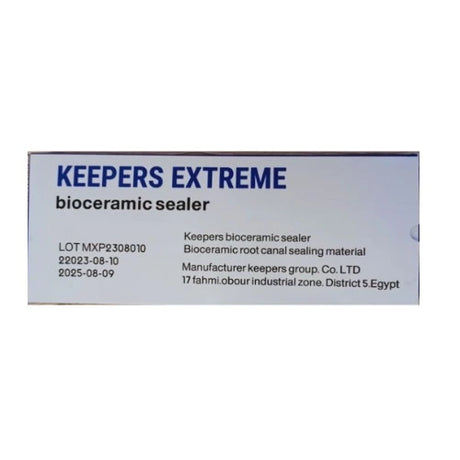
Keepers
Very low stock (6 units)Regular price LE 850.00 EGPUnit price /Unavailable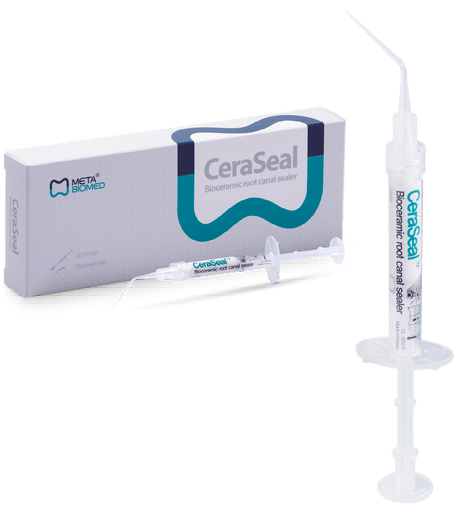
meta biomed
Meta Biomed CeraSeal Bioceramic Sealer 2g
Very low stock (1 unit)Regular price LE 2,325.00 EGPUnit price /Unavailable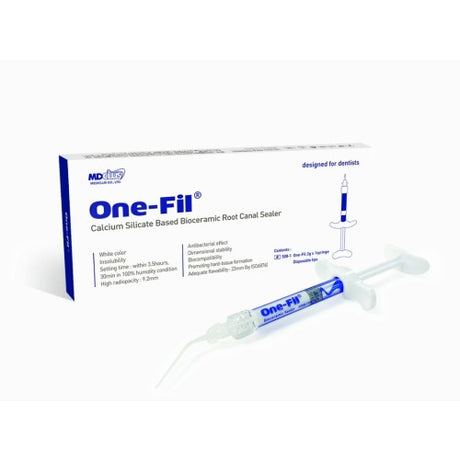
Mediclus
Mediclus OneFil Bioceramic sealer 2g syringe
Very low stock (7 units)Regular price LE 1,999.00 EGPUnit price /Unavailable
Vericom
Vericom Well-Root ST Bio Sealer – 0.5 g
Very low stock (3 units)Regular price LE 860.00 EGPUnit price /Unavailable- 13% off
Angelus
Very low stock (3 units)Sale price LE 700.00 EGP Regular price LE 800.00Unit price /Unavailable -

prevest Denpro
Very low stock (1 unit)Regular price LE 168.00 EGPUnit price /Unavailable
Kp KevinPeter
Very low stock (3 units)Regular price LE 1,800.00 EGPUnit price /Unavailable
Diadent
Very low stock (5 units)Regular price From LE 550.00 EGPUnit price /Unavailable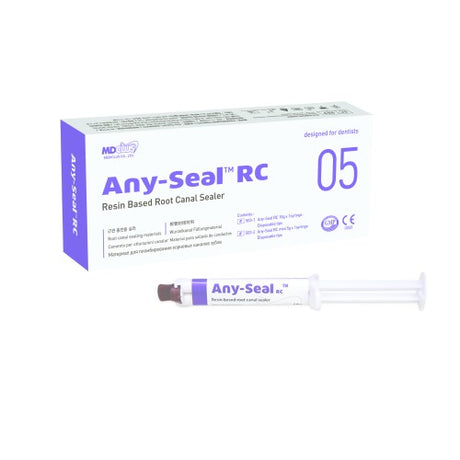
Mediclus
Mediclus Any-Seal RC RESIN SEALER 10g
Very low stock (4 units)Regular price LE 790.00 EGPUnit price /Unavailable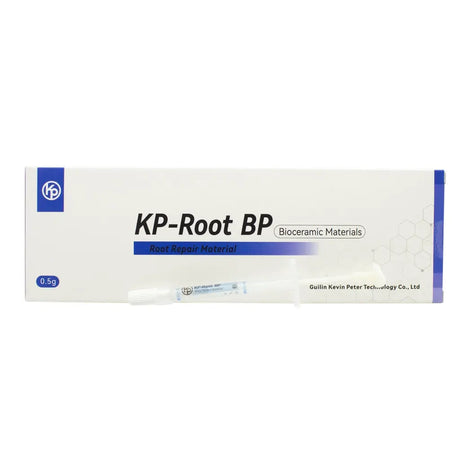
Kp KevinPeter
KP – Root BP bioceramic Sealer 0.5 g
Very low stock (5 units)Regular price LE 595.00 EGPUnit price /Unavailable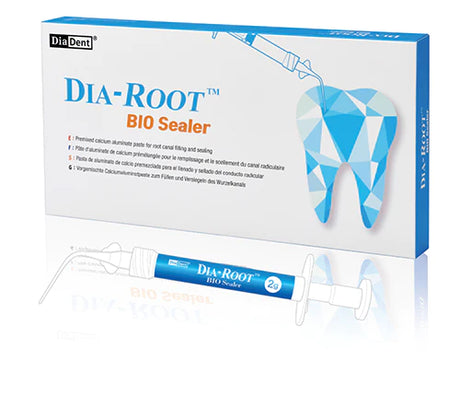
Diadent
DIA ROOT BIO CERAMIC SEALER 2gm
Very low stock (3 units)Regular price LE 2,128.00 EGPUnit price /UnavailableToothmate
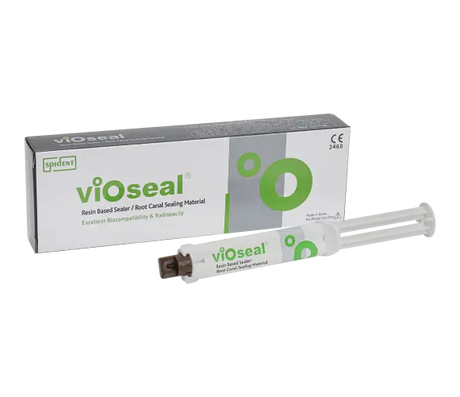
Toothmate Sealmate Pro resin Based Sealer
Very low stock (2 units)Regular price From LE 305.00 EGPUnit price /Unavailable-
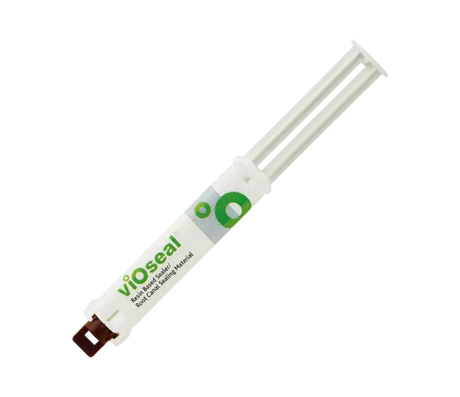


How to Choose the Right Root Canal Sealer for Your Practice
- Sealer Chemistry: Resin vs Bioceramic vs ZOE — Epoxy-amine resin sealers (e.g., ADSEAL) achieve dentinal tubule penetration via resin tags with bond strengths of 4–12 MPa. Bioceramic sealers (tricalcium silicate-based) are hydrophilic, release calcium hydroxide during setting, and demonstrate superior ISO 6876 biocompatibility with no cytotoxicity. ZOE sealers are cost-effective but provoke periapical inflammation in some patients due to eugenol release.
- Working Time vs Ambient Temperature — ISO 6876 requires a minimum working time of 1.5 hours at 37°C. Resin sealers provide 2–4 hours of working time at 23°C; in Egyptian summer clinic temperatures of 30–35°C, this shortens by 20–30%. Store resin sealers below 25°C and mix only immediately before use. Bioceramic putty types (such as ONE FIL PUTTY) are not mixed — they are used directly — and are unaffected by ambient temperature.
- Dimensional Stability and Solubility — ISO 6876 limits sealer solubility to less than 3% by volume over 24 hours. Resin sealers demonstrate negligible solubility (<0.5%); ZOE sealers show higher long-term dissolution. Bioceramic sealers expand slightly upon setting (0.2–1.2% depending on formulation), compensating for dentinal gap formation — beneficial for single-cone obturation in oval and C-shaped canals.
- Radiopacity for Digital X-Ray — ISO 6876 requires a minimum radiopacity of 3 mm aluminum equivalent at 2 mm thickness. For digital X-ray systems common in Egyptian clinics, a sealer with 4–6 mm Al equivalent provides reliable contrast for post-obturation evaluation. Bioceramic types containing zirconium oxide and resin types with barium sulfate filler typically exceed 5 mm Al equivalent.
- Obturation Technique Compatibility — Cold lateral condensation requires a flowable, low-viscosity sealer (Newtonian rheology). Single-cone obturation works best with bioceramic putty sealers designed to fill the gap between a matched taper and the canal wall. Thermoplastic warm vertical techniques are compatible with both resin and bioceramic types but require adherence to lower gutta-percha carrier temperatures for bioceramic sealers to avoid premature setting.
- Retreatability — Epoxy-amine resin sealers bond firmly to dentine and require chloroform or eucalyptol solvent during retreatment. Set bioceramic sealers resist organic solvents and require rotary retreatment files plus ultrasonic vibration to disrupt the sealer-dentine interface. For young patients in Egyptian dental practice with a long retreatment horizon, retreatability should factor into the initial sealer selection.
Root Canal Sealer Types at a Glance
| Sealer Type | Setting Chemistry | Working Time | Biocompatibility | Retreatability |
|---|---|---|---|---|
| Epoxy-amine resin | Amine-cured epoxy | 2–4 hours at 23°C | Good | Moderate (solvent-aided) |
| Bioceramic sealer | Tricalcium silicate | 4–6 hours | Excellent (MTA-based) | Difficult |
| Resin-based (non-epoxy) | Methacrylate resin | 1–3 hours | Good | Moderate |
| ZOE-based | Zinc oxide + eugenol | 1–2 hours | Fair (eugenol release) | Easy |
| Bioceramic putty | Tricalcium silicate | Not applicable | Excellent | Difficult |
Delivery & Availability in Egypt
Root canal sealers on MedSTA are priced in EGP with nationwide delivery across Egypt. Store resin sealers below 25°C; bioceramic sealers tolerate ambient storage but should be kept sealed and away from moisture contamination prior to use. Orders within Cairo and Giza are typically fulfilled within 1–2 business days; delivery to other governorates takes 2–4 business days.
Frequently Asked Questions — Root Canal Sealer
What is the difference between bioceramic and resin-based root canal sealers?
What is the difference between bioceramic and resin-based root canal sealers?
Bioceramic sealers (tricalcium silicate-based) are hydrophilic, set in the presence of moisture, and release calcium hydroxide during setting, promoting periapical healing. They have superior ISO 6876 biocompatibility with no cytotoxicity. Resin sealers (epoxy-amine type) achieve higher bond strength to dentinal walls (4–12 MPa) and demonstrate lower solubility. Bioceramic putty types suit single-cone obturation; resin sealers suit lateral condensation and warm vertical techniques.
Does ADSEAL (epoxy-amine sealer) perform differently in hot Egyptian clinic conditions?
Does ADSEAL (epoxy-amine sealer) perform differently in hot Egyptian clinic conditions?
Epoxy-amine resin sealers such as ADSEAL have a working time of 2–4 hours at 23°C, which shortens to approximately 1.5–2 hours at the 30–35°C ambient temperatures common in Egyptian summer clinics. Store ADSEAL below 25°C and mix only immediately before use. Refrigeration at 4–8°C between uses extends shelf life and slows the base-catalyst reaction before intentional mixing.
Can bioceramic root canal sealer be removed during retreatment?
Can bioceramic root canal sealer be removed during retreatment?
Set bioceramic sealers resist chloroform, eucalyptol, and most organic solvents after full cure. Retreatment requires rotary retreatment files combined with ultrasonic vibration to mechanically disrupt the sealer-dentine interface. This is a clinically relevant consideration for young Egyptian patients who may need retreatment within a 10–15 year window. Epoxy-amine resin sealers are moderately easier to remove using solvent-softening followed by rotary filing.
What radiopacity should a root canal sealer have for digital X-ray use in Egypt?
What radiopacity should a root canal sealer have for digital X-ray use in Egypt?
ISO 6876 requires a minimum radiopacity of 3 mm aluminum equivalent at 2 mm thickness. For digital X-ray systems used in Egyptian dental clinics, a sealer with 4–6 mm Al equivalent provides reliable contrast for post-obturation evaluation. Bioceramic types with zirconium oxide filler and resin types with barium sulfate (such as ADSEAL) typically achieve 5+ mm Al equivalent.
What signs of inadequate root canal sealing are visible on post-obturation X-ray?
What signs of inadequate root canal sealing are visible on post-obturation X-ray?
Inadequate sealing shows as radiolucent voids within the obturated canal mass, underfill of more than 2 mm short of the radiographic apex, or unfilled lateral canal ramifications above the apical third. Digital radiography in Egyptian clinics allows grey-scale enhancement to detect subtle sealer voids. Persistent periapical radiolucency 6 months post-obturation despite radiographically adequate fill warrants evaluation for accessory canal contamination or coronal microleakage.