
Maco
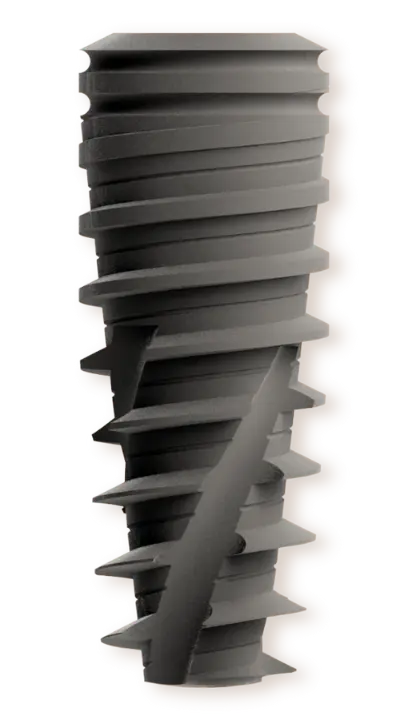
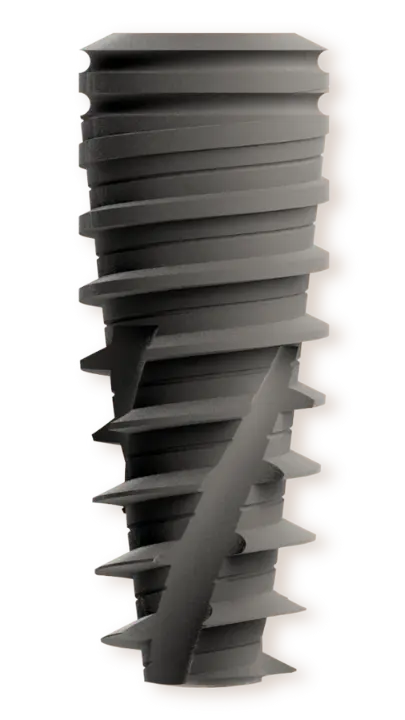
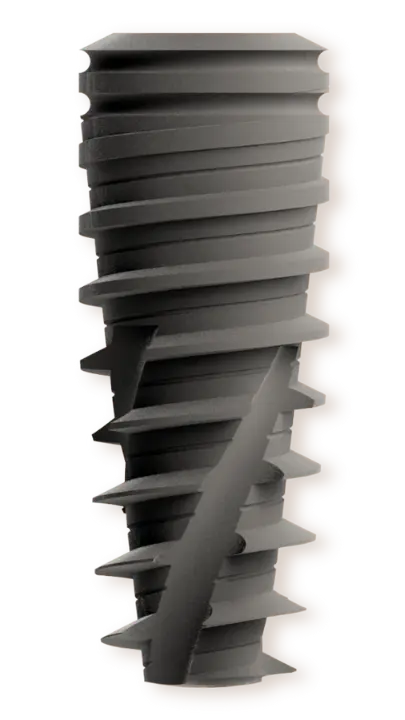
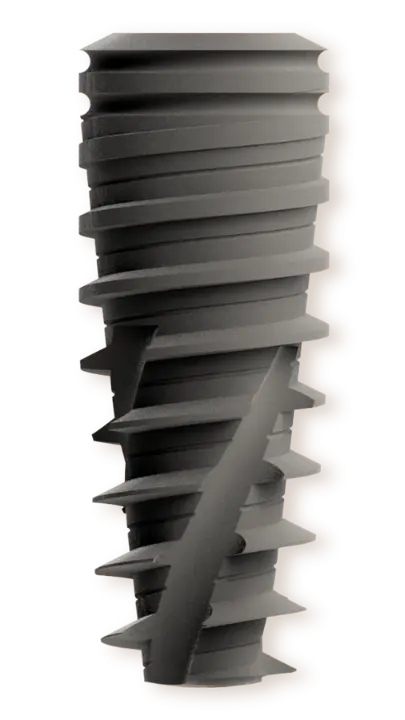
MACO Conical Active Implant 3.5 + Straight Abutment
In stock (40 units)Regular price LE 3,500.00 EGPUnit price /Unavailable-
Maco
MACO Conical Active Implant 3.9 + Straight Abutment
In stock (40 units)Regular price LE 3,500.00 EGPUnit price /Unavailable-
Maco
MACO Conical Active Implant 4.4 + Straight Abutment
In stock (40 units)Regular price LE 3,500.00 EGPUnit price /Unavailable-
Maco
MACO Conical Active Implant 5.5 + Straight Abutment
In stock (30 units)Regular price LE 3,500.00 EGPUnit price /Unavailable-
How to Choose a Dental Implant System for Your Practice
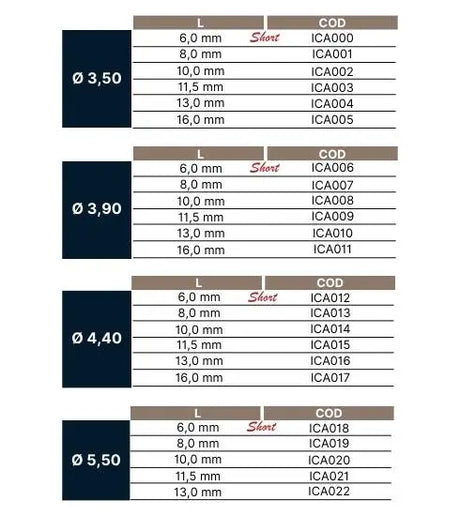
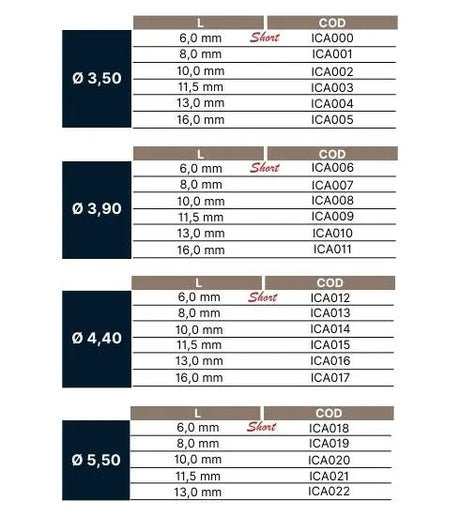
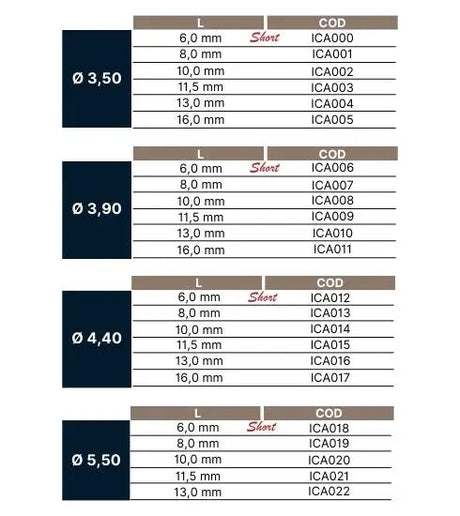
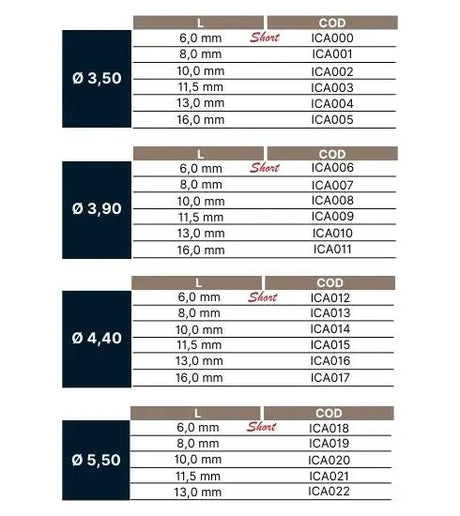
- Implant Diameter Selection (3.5 mm to 5.5 mm) — Implant diameter selection is based on available alveolar bone width: 3.5 mm for narrow ridges (<5 mm bone width) and mandibular anterior sites; 3.9 mm for standard premolar replacement; 4.4 mm for standard posterior use; 5.5 mm (wide platform) for immediate placement in molar sockets and for increased primary stability in soft bone (Cawood Class I–II). Confirm bone width by CBCT before implant selection.
- Connection Type (Internal Cone vs External Hex vs Internal Hex) — MACO conical active implants use an internal conical (Morse taper) connection that provides superior mechanical stability, reduced micro-movement at the implant-abutment interface, and improved soft tissue seal compared to external hex connections. Internal conical connections have a lower prosthetic complication rate (screw fracture, abutment loosening) in long-term clinical follow-up.
- Surface Treatment (SLA vs SLActive vs Oxidised) — Sandblasted, large-grit, acid-etched (SLA) surfaces are the clinical benchmark for osseointegration; hydrophilic SLA modifications (SLActive, OsseoSpeed) improve initial fibrin clot attachment in the first hours post-placement, particularly beneficial in Egyptian patients with systemic conditions that may slow osseointegration (diabetes, smoking). MACO implants use SLA surface treatment with validated osseointegration protocols.
- Bone Quality Considerations (Egyptian Patient Population) — Egyptian patients present with a higher proportion of D3–D4 soft bone (maxillary posterior, atrophic mandible) compared to Northern European populations, requiring higher insertion torque protocols (35–45 Ncm) and potentially longer healing periods before loading. Select active (self-tapping) implant designs (e.g. MACO Conical Active) that generate higher primary stability in soft bone through their cutting edge geometry.
- Prosthetic Component Availability — Confirm the implant system has locally available abutments, healing caps, impression copings, and prosthetic kits from MedSTA before committing to a system. Supply chain disruption for implant components is a known issue in the Egyptian market when using proprietary international systems without a local distributer.
MACO Conical Active Implants Available in Egypt
| Diameter | Connection | Surface | Price (EGP) |
|---|---|---|---|
| MACO 3.5 mm + Abutment | Internal cone | SLA | 3,500 |
| MACO 3.9 mm + Abutment | Internal cone | SLA | 3,500 |
| MACO 4.4 mm + Abutment | Internal cone | SLA | 3,500 |
| MACO 5.5 mm + Abutment | Internal cone | SLA | 3,500 |
Availability & Delivery in Egypt
MedSTA supplies MACO conical active dental implants with matching abutments in EGP with same-day dispatch from Cairo. Cairo and Giza delivery within 1–3 business days; all other Egyptian governorates within 3–5 business days. Surgical kits and prosthetic components available separately.
Frequently Asked Questions
What implant diameter should I use for a mandibular molar replacement in Egypt?
What implant diameter should I use for a mandibular molar replacement in Egypt?
For a mandibular first molar single-implant replacement, a 4.4–5.5 mm diameter implant provides the surface area required for reliable osseointegration under molar occlusal loads. In Egyptian patients with D3–D4 bone quality in the posterior mandible, a 5.5 mm wide platform implant increases primary stability (insertion torque 35–45 Ncm) and distributes occlusal stress over a larger bone-implant interface. Confirm bone width ≥7 mm (to leave 1.5 mm clearance from each cortical plate around a 4.4 mm implant) by CBCT before diameter selection.
What is an internal conical implant connection and what are its clinical advantages?
What is an internal conical implant connection and what are its clinical advantages?
An internal conical (Morse taper) implant-abutment connection uses a tapered male abutment post that locks into a matching internal cone within the implant body, creating a friction-locked cold-welded seal at the connection interface. This design prevents micro-movement between the implant and abutment under cyclic loading (eliminating the peri-implant crestal bone resorption pattern associated with micro-gap bacterial ingress in butt-joint external hex connections), reduces screw loosening rates, and provides superior soft tissue sealing. MACO Conical Active implants use this connection type for improved long-term stability in Egyptian clinical conditions.
What is the typical osseointegration period for MACO implants in Egyptian patients?
What is the typical osseointegration period for MACO implants in Egyptian patients?
Standard osseointegration periods for MACO conical active implants in healthy Egyptian patients: 8–12 weeks in D1–D2 bone (dense cortical mandible, immediate anterior placement); 12–16 weeks in D3–D4 bone (maxillary posterior, soft trabecular bone). Egyptian patients with controlled diabetes (HbA1c ≤7.5%) may benefit from an extended 16–20 week osseointegration period before loading; uncontrolled diabetes significantly increases implant failure risk and should be controlled before placement. Confirm osseointegration by resonance frequency analysis (ISQ ≥65) before prosthetic loading.
Can MACO implants be used for immediate placement after extraction in Egypt?
Can MACO implants be used for immediate placement after extraction in Egypt?
MACO Conical Active implants with their self-tapping cutting edge design are suitable for immediate post-extraction placement in sockets with adequate facial bone and no active infection. Primary stability requirement for immediate placement is insertion torque ≥35 Ncm; if torque is <35 Ncm, delay placement or use bone grafting to support the implant. In Egyptian patients with periodontally compromised teeth, thorough socket debridement and saline irrigation before immediate implant placement are mandatory, as residual periodontal pathogens increase the risk of early implant failure in the Egyptian periodontal risk environment.
Does MedSTA supply MACO conical active implants in all diameters across Egypt?
Does MedSTA supply MACO conical active implants in all diameters across Egypt?
Yes — MedSTA supplies MACO Conical Active implants with matching straight abutments in 3.5, 3.9, 4.4, and 5.5 mm diameters, all priced at 3,500 EGP per implant-abutment unit with same-day dispatch from Cairo. Cairo and Giza delivery within 1–3 business days; all other Egyptian governorates within 3–5 business days. Surgical kits, prosthetic components, and bone graft materials available separately.