
GENERIC
Dental ALUMINIUM Impression TRAYS
In stock (533 units)Regular price LE 15.00 EGPUnit price /Unavailable-
GENERIC
In stock (42 units)Regular price LE 30.00 EGPUnit price /Unavailable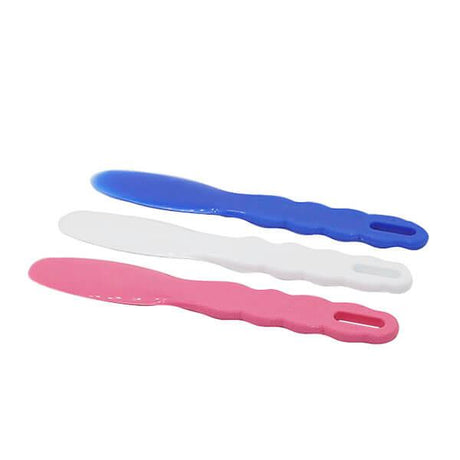
GENERIC
plastic spatula dental Alginate
In stock (87 units)Regular price LE 8.00 EGPUnit price /Unavailable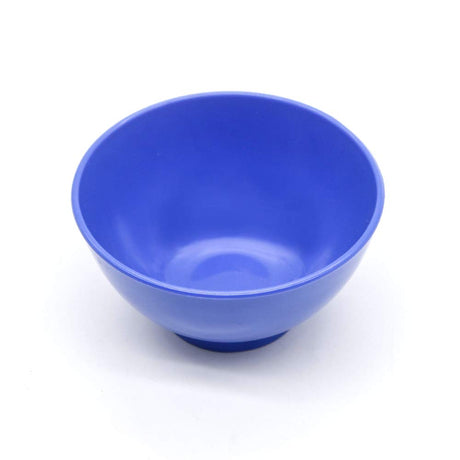
GENERIC
Dental Rubber Mixing Bowl Flexible Reusable for Alginate, Plaster and Stone
Very low stock (6 units)Regular price LE 19.00 EGPUnit price /Unavailable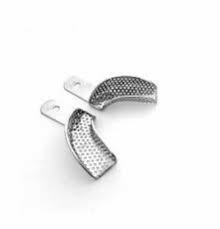
GENERIC
Dental ALUMINIUM Sectional TRAYS
In stock (25 units)Regular price LE 10.00 EGPUnit price /Unavailable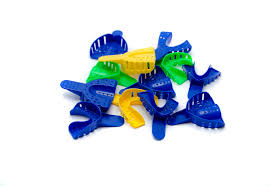
GENERIC
Impression Plastic Tray Medium size
Very low stock (1 unit)Regular price LE 20.00 EGPUnit price /Unavailable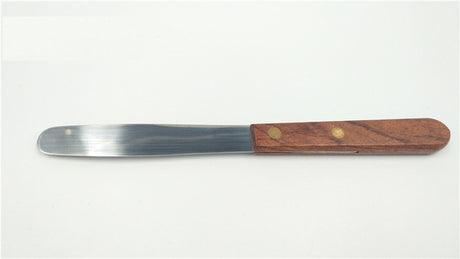
GENERIC
Metal ZOE Zinc Oxide Eugenol Mixing Spatula
In stock (71 units)Regular price LE 25.00 EGPUnit price /Unavailable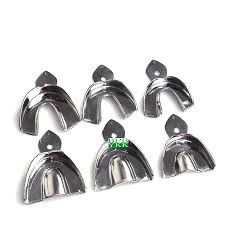
GENERIC
Impression Stainless steel Tray 6 pcs
Low stock (18 units)Regular price LE 575.00 EGPUnit price /Unavailable
Cotisen
Cotisen Bite Registration Tray Half Arch Large - 20 Pcs
Very low stock (5 units)Regular price LE 225.00 EGPUnit price /Unavailable- Up to 29% off
Guard
In stock (100 units)Sale price LE 275.00 EGP Regular price LE 388.00Unit price /Unavailable -

Cotisen
Cotisen Bite Registration Tray Full Arch - 20 Pcs
Low stock (10 units)Regular price LE 225.00 EGPUnit price /Unavailable


How to Choose the Right Dental Impression Accessories for Your Practice
- Impression tray material and design — Aluminium trays are the clinical standard in Egypt for alginate and PVS impressions — they are rigid, autoclavable, and compatible with tray adhesive for all elastomeric impression materials. Perforated trays provide mechanical retention for alginate; non-perforated (closed) trays are used with adhesive-retentive elastomeric materials where micro-perforation would distort the impression on removal.
- Tray size selection — Accurate tray selection is critical: the tray should extend 3–5 mm beyond the most posterior teeth and allow 3–6 mm of impression material between the tray and the tissue. Undersized trays produce thin sections prone to tearing on removal; oversized trays increase material waste and patient discomfort. Egyptian dental patients frequently present with wider arch forms in the molar region — keeping medium and large tray sizes in stock is standard practice.
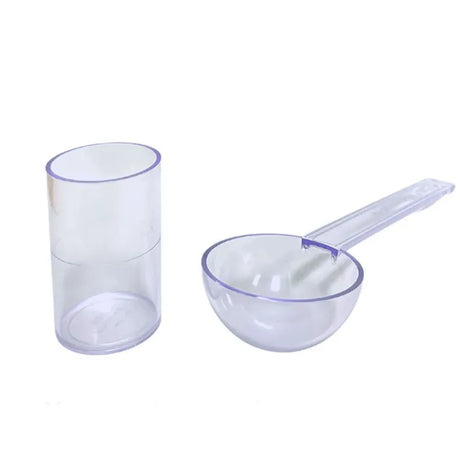
- Measuring accuracy for alginate — The powder-to-water ratio directly controls working time and final gel strength. Use a calibrated alginate measuring scoop and volumetric water measure for each mix — eyeballing ratios is the most common cause of short working time and weak gel in Egyptian clinics. One scoop powder to one water measure is the standard ratio for most alginates.
- Mixing bowl material — Flexible rubber bowls allow the spatula to reach all internal surfaces and facilitate complete powder incorporation with minimal air entrapment. Rubber bowls must be rinsed and air-dried between uses — residual alginate or plaster in the bowl inhibits fresh material and produces grainy, porous mixes. Do not use rubber bowls shared between alginate and ZOE impression paste without thorough cleaning, as eugenol disrupts alginate polymerisation.
- Spatula technique — Use broad, stropping strokes across the bowl wall to incorporate alginate within 30–45 seconds, achieving a smooth, glossy mix without visible powder lumps. Colour-changing chromatic alginates (pink/purple/white phases) provide visual guidance on working time; standard alginates require timer discipline, especially in Egyptian summer where setting accelerates.
Impression Accessory Selection at a Glance
| Accessory | Purpose | Key Spec | Egyptian Practice Note |
|---|---|---|---|
| Aluminium impression tray | Carries impression material in arch | Rigid, autoclavable, sizes XS–XL | Stock full size range for Egyptian arch variation |
| Alginate measuring scoop | Calibrated powder measure | Standardised volume per scoop | Prevents ratio errors that cause short working time |
| Rubber mixing bowl | Spatulation of alginate/plaster | Flexible, easy to clean | Rinse and dry between uses; replace if stained |
| Alginate spatula | Mix incorporation | Broad, flexible blade | Replace if blade bends — reduces mix quality |
Availability & Delivery in Egypt
MedSTA supplies aluminium impression trays, alginate measuring scoops, rubber mixing bowls, and spatulas in EGP with same-day dispatch for Cairo and Giza orders and 2–5 day delivery to all Egyptian governorates.
Frequently Asked Questions
What is the difference between perforated and non-perforated dental impression trays?
What is the difference between perforated and non-perforated dental impression trays?
Perforated impression trays contain small holes that allow alginate and condensation silicone to extrude through and lock mechanically during removal, providing retention without adhesive. Non-perforated (closed-mesh) trays are used with addition silicone (PVS) or polyether impression materials where a thin film of tray adhesive on the inner surface provides chemical retention — perforation in these trays would allow excess material to escape and distort the impression during removal. In Egyptian dental practice, perforated aluminium trays dominate for alginate, while non-perforated trays are preferred for fixed prosthodontic PVS work.
How do I select the correct impression tray size for full-arch versus quadrant impressions?
How do I select the correct impression tray size for full-arch versus quadrant impressions?
For full-arch impressions, the tray must extend 3–5 mm beyond the distal of the most posterior molar and allow 3–6 mm of impression material between the tray and the tissue on all surfaces. Quadrant trays (sectional trays) are sized for half-arch use in crown and bridge impressions. Egyptian patients frequently present with broader arch widths in the lower premolar-molar region — verify tray seating without distortion before loading impression material. When in doubt, size up: an oversized tray is preferable to an undersized one that contacts the teeth.
Can rubber mixing bowls be used for both alginate and dental stone mixing?
Can rubber mixing bowls be used for both alginate and dental stone mixing?
Rubber mixing bowls can be used for both alginate and dental stone, but must be thoroughly cleaned between uses. Residual set alginate in the bowl introduces lumps and nucleation sites that reduce dental stone strength and surface quality. Eugenol-containing impression materials (ZOE pastes) must never be mixed in a rubber bowl used for alginate — eugenol contamination inhibits alginate setting. Dedicated bowls for alginate and separate bowls for gypsum products are the recommended protocol in Egyptian dental laboratories.
What is the correct technique for spatulating alginate to avoid air bubbles?
What is the correct technique for spatulating alginate to avoid air bubbles?
Add powder to water (not the reverse) in the mixing bowl. Using broad, stropping strokes against the bowl wall, incorporate all powder within the first 10–15 seconds, then switch to figure-eight strokes to eliminate lumps. The target mix time is 30–45 seconds; the correct consistency is smooth and glossy with no visible dry powder. In Egypt's summer, limit mix time to 30 seconds maximum using refrigerated water to preserve working time. Vacuum mixing units (when available) eliminate over 90% of alginate porosity compared to hand spatulation.
Does MedSTA supply dental impression accessories to Egyptian dental practices?
Does MedSTA supply dental impression accessories to Egyptian dental practices?
Yes. MedSTA supplies aluminium impression trays in all sizes, alginate measuring scoops, flexible rubber mixing bowls, and dental alginate spatulas in EGP, with nationwide delivery to Cairo, Giza, Alexandria, Mansoura, and all Egyptian governorates. In-stock items are dispatched from MedSTA's Cairo warehouse with same-day processing available.