
BMS
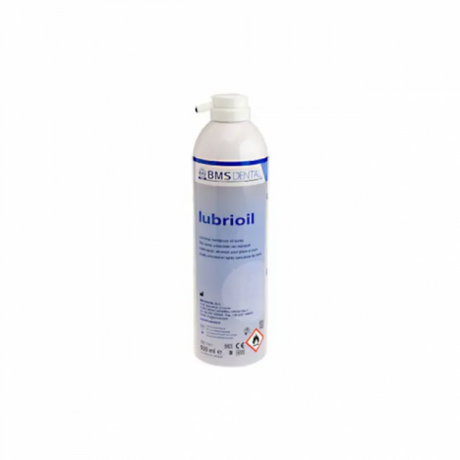
BMS Lubrioil handPiece OIL SPRAY 500ML
In stock (285 units)Regular price LE 470.00 EGPUnit price /Unavailable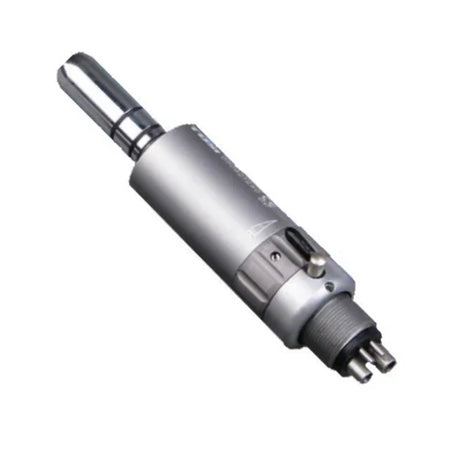
Vigor dental
Very low stock (5 units)Regular price LE 1,050.00 EGPUnit price /Unavailable
Vigor dental
Vigor Lowspeed Push button contra angle
Very low stock (4 units)Regular price LE 950.00 EGPUnit price /Unavailable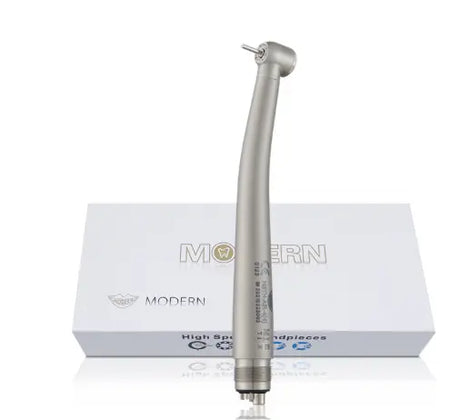
Modern
MODERN contra high speed MINI HEAD M1 TI
Low stock (19 units)Regular price LE 1,850.00 EGPUnit price /Unavailable
Zafdent
Zafdent Handpiece PRO H.T anti retraction Triple High speed handpiece
Very low stock (3 units)Regular price LE 2,150.00 EGPUnit price /Unavailable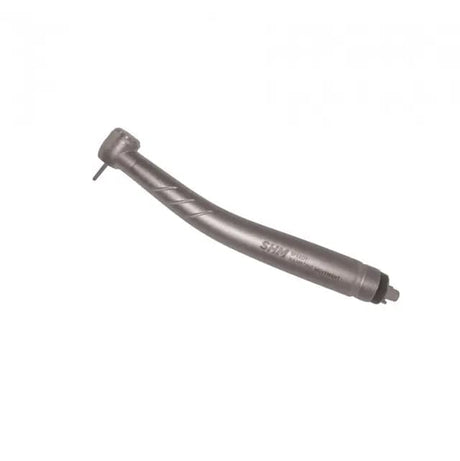
SHM
Low stock (12 units)Regular price LE 1,339.00 EGPUnit price /Unavailable
Asnanco
Very low stock (4 units)Regular price LE 500.00 EGPUnit price /Unavailable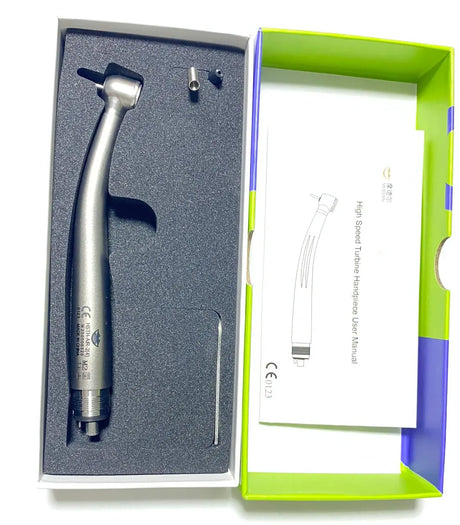
Modern
MODERN Contra high speed MODERN HIGH TORQUE M2 TI
Very low stock (4 units)Regular price LE 1,900.00 EGPUnit price /Unavailable
Vector
Alpha Aire low speed push button handpiece
Very low stock (2 units)Regular price LE 1,550.00 EGPUnit price /Unavailable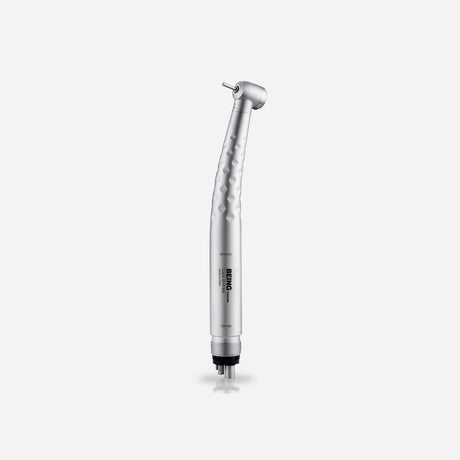
Being Foshan
Being Foshan High-Speed Air Tubine Handpiece Lotus 401-M4 Push Button
Very low stock (3 units)Regular price LE 1,950.00 EGPUnit price /Unavailable
Dentra
Dentra Handpiece H.T anti retraction Triple spray High Speed Handpiece
Very low stock (5 units)Regular price LE 1,990.00 EGPUnit price /Unavailable
Lunx
Lunx Electric contra handpiece 1:5
Very low stock (4 units)Regular price LE 10,600.00 EGPUnit price /Unavailable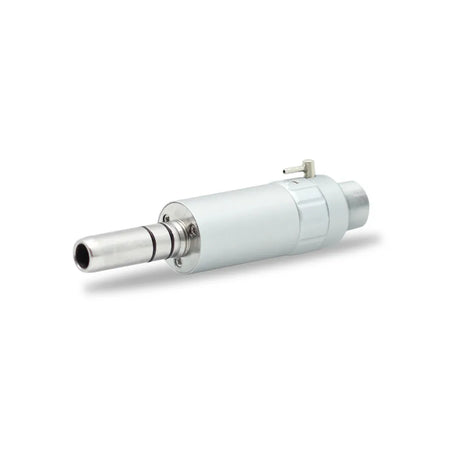
Vector
Very low stock (5 units)Regular price LE 1,350.00 EGPUnit price /Unavailable
Matt
Matt Ortho Stripping kit contra angle LOW SPEED Handpiece 4:1 kit
Very low stock (4 units)Regular price LE 10,990.00 EGPUnit price /Unavailable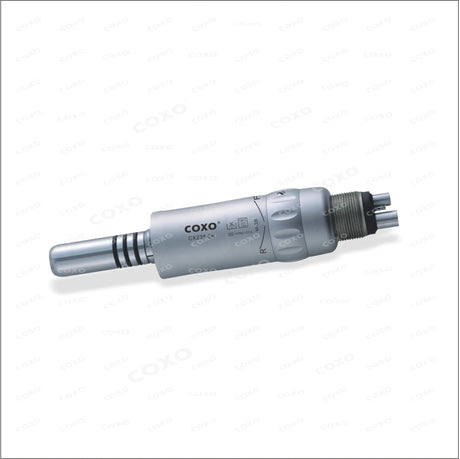
COXO
MCS Coxo Low Speed Air Motor Inner coolant chanel
Very low stock (1 unit)Regular price LE 3,330.00 EGPUnit price /Unavailable


How to Choose the Right Dental Handpiece for Your Practice
- High-speed turbine vs electric — Turbine handpieces reach 400,000–500,000 RPM with low torque — ideal for rapid enamel cutting with diamond burs. Electric handpieces maintain constant torque at variable speeds (0–40,000 RPM) — preferable for Egyptian practices that perform rotary endodontics, composite finishing, and crown preparation with the same unit.
- Coupling compatibility — Most dental units in Egypt use 2-hole (Borden) or 4-hole couplings. Verify the handpiece coupling format matches your dental unit before purchase — adapters are available but reduce maximum air pressure and affect turbine speed.
- Autoclave cycle rating — Confirm the handpiece is rated for 134°C/3 bar sterilisation and specify the minimum guaranteed cycle count. Budget handpieces sold in Egypt may not specify cycle limits — this is a critical purchase criterion for high-volume practices.
- Chuck type — Push-button (spring chuck) releases burs instantly; friction-grip (FG) shank requires a separate wrench. Push-button is standard in Egyptian restorative practice; friction-grip is common in older surgical handpieces.
- Fibre-optic illumination — Handpieces with integrated LED or fibre-optic illumination improve visibility in deep preparations. Confirm the light source is replaceable or that the entire handpiece can be returned for servicing through an Egyptian distributor.
- Lubrication requirements — All air-driven handpieces require 0.3–0.5 mL of manufacturer-approved oil before and after each sterilisation cycle. Egyptian summer heat above 38°C accelerates lubricant evaporation — lubricate every sterilisation cycle, not once per day.
Dental Handpiece Types at a Glance
| Type | Speed Range | Torque | Best Clinical Use | EGP Range |
|---|---|---|---|---|
| Turbine High-Speed | 400,000–500,000 RPM | Low | Cutting, crown prep | 2,000–12,000 |
| Electric High-Speed | Up to 200,000 RPM | Constant | Precision cutting | 8,000–25,000 |
| Low-Speed Contra-angle | 0–40,000 RPM | Medium | Finishing, polishing, endo | 1,000–8,000 |
| Straight Handpiece | 0–40,000 RPM | Medium | Lab use, HP-shank burs | 800–5,000 |
| Disposable Contra-angle | Up to 20,000 RPM | Low | Single-patient infection control | 50–200 each |
Availability & Delivery in Egypt
MedSTA supplies dental handpieces — high-speed turbines, electric contra-angles, low-speed sets, and straight handpieces — from Vigor, COXO, Woodpecker, and BMS to dental practices across Egypt with EGP pricing. Handpiece maintenance accessories including oil sprays and lubricating racks are stocked for same-day dispatch to Cairo and Giza clinics.
Frequently Asked Questions
What is the difference between a turbine handpiece and an electric dental handpiece?
What is the difference between a turbine handpiece and an electric dental handpiece?
Turbine handpieces use compressed air to spin a bearing at 400,000–500,000 RPM, delivering high speed with relatively low and variable torque. Electric handpieces use a brushless motor to provide constant torque at any speed from 0 to 200,000 RPM. For Egyptian practices performing both rotary endodontics (requiring precise low-speed torque control) and operative dentistry (requiring high-speed cutting), an electric handpiece system offers greater clinical versatility.
What coupling type do I need for my dental handpiece in Egypt?
What coupling type do I need for my dental handpiece in Egypt?
The two most common coupling formats in Egyptian dental units are the 2-hole Borden coupling (used in older units) and the 4-hole standard coupling (used in most modern dental chairs). Before purchasing a handpiece, check your unit’s air inlet configuration. Adapters between formats are available but reduce maximum air pressure, which affects turbine speed and cutting efficiency. Always specify your dental unit brand and model when ordering.
How often should dental handpieces be serviced in Egyptian clinic conditions?
How often should dental handpieces be serviced in Egyptian clinic conditions?
Turbine bearings in high-speed handpieces should be serviced or replaced every 6–12 months under standard Egyptian clinic use (8–10 patients per day). Signs requiring immediate service include audible bearing roughness, wobbling bur, or visible air leakage at the coupling. Consistent lubrication before every autoclave cycle is the single most effective way to extend bearing life in the high-temperature, high-usage conditions of Egyptian dental practices.
Can I use any brand of bur with my dental handpiece?
Can I use any brand of bur with my dental handpiece?
Yes — dental burs use standardised shank formats (FG 1.6 mm for high-speed turbines; RA 2.35 mm for low-speed contra-angles; HP 2.35 mm for straight handpieces) that are compatible across brands. Ensure bur shank length and diameter conform to ISO 1797 standards. Non-standard shanks from low-quality suppliers can jam push-button chucks or cause runout that damages handpiece bearings.
Does MedSTA supply dental handpieces from major brands across Egypt?
Does MedSTA supply dental handpieces from major brands across Egypt?
MedSTA supplies dental handpieces from Vigor, COXO, BMS, Woodpecker, and Ultradent to dental practices across Egypt including Cairo, Giza, Alexandria, and all Egyptian governorates. EGP pricing applies to all handpiece models and maintenance accessories. Handpiece oil sprays, lubricating racks, and contra-angle replacement parts are stocked separately for clinics managing existing handpiece fleets.