
GENERIC
Very low stock (2 units)Regular price LE 550.00 EGPUnit price /Unavailable-

Eighteeth
Very low stock (7 units)Regular price LE 45.00 EGPUnit price /Unavailable
GENERIC
Low stock (20 units)Regular price LE 105.00 EGPUnit price /Unavailable
GENERIC
Very low stock (1 unit)Regular price LE 575.00 EGPUnit price /Unavailable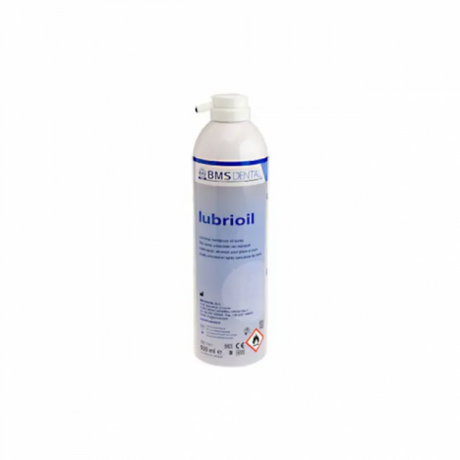
BMS
BMS Lubrioil handPiece OIL SPRAY 500ML
In stock (285 units)Regular price LE 470.00 EGPUnit price /UnavailableMASA
Low stock (18 units)Regular price From LE 300.00 EGPUnit price /Unavailable-
- 15% off
COXO
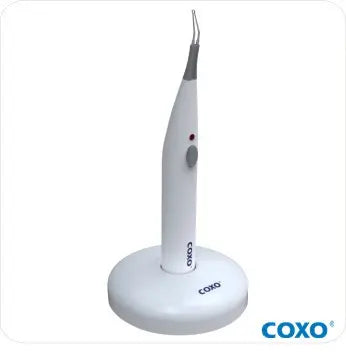
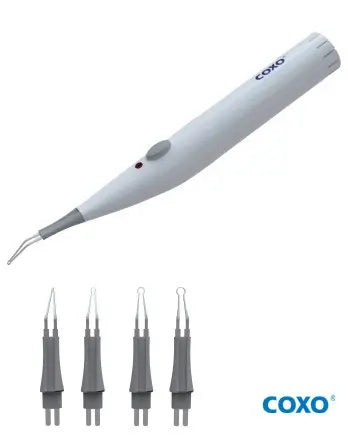
Coxo C-Blade Gutta Percha Cutter
Very low stock (2 units)Sale price LE 1,700.00 EGP Regular price LE 1,999.00Unit price /Unavailable -

Asnanco
Very low stock (3 units)Regular price LE 199.00 EGPUnit price /Unavailable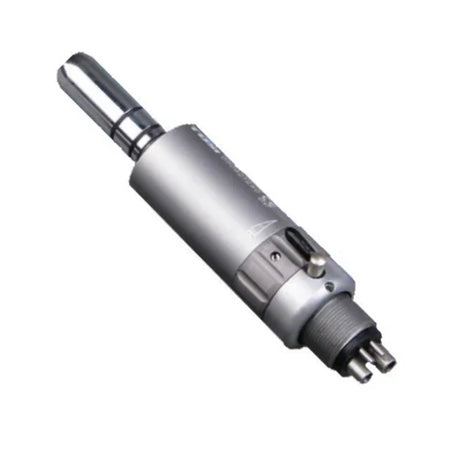
Vigor dental
Very low stock (5 units)Regular price LE 1,050.00 EGPUnit price /UnavailableGENERIC
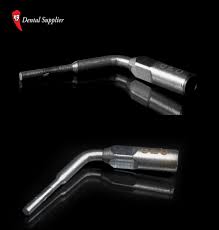
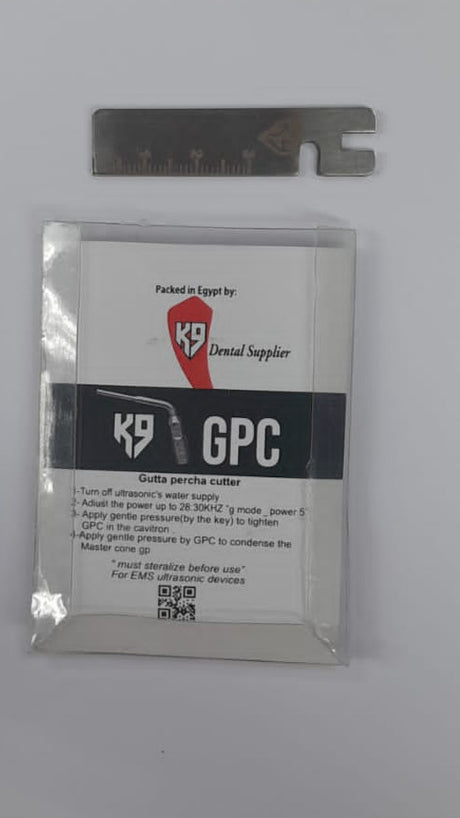
Guttapercha Cutter K9 For Woodpecker
Low stock (20 units)Regular price LE 365.00 EGPUnit price /Unavailable-

Vigor dental
Vigor Lowspeed Push button contra angle
Very low stock (4 units)Regular price LE 950.00 EGPUnit price /Unavailable
- Up to 21% off
Woodpecker
Very low stock (8 units)Regular price From LE 390.00 EGPUnit price /Unavailable -

GENERIC
In stock (48 units)Regular price LE 185.00 EGPUnit price /Unavailable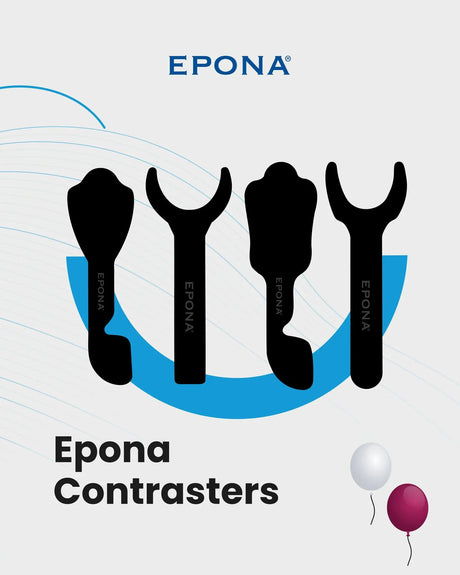
Epona
Epona contrasters kit of 4 Pcs
Very low stock (8 units)Regular price LE 350.00 EGPUnit price /Unavailable






How to Choose Dental Equipment for Modern Egyptian Practices
- Autoclave classification — Class B vs Class N — Class B autoclaves use a pre-vacuum cycle to remove air from the chamber before steam injection, ensuring complete steam penetration into hollow instruments (handpieces, endo motors, suction cannulas). Class N autoclaves use gravity displacement only and are approved solely for solid, unwrapped instruments — they cannot sterilise hollow or wrapped loads. For Egyptian dental clinics sterilising handpieces and cassette-packaged instrument sets, a Class B vacuum autoclave is the mandatory standard under EN 13060 for type-B loads.
- Light-curing unit wattage and irradiance — Modern LED light-curing units must deliver a minimum of 1,000 mW/cm² irradiance for reliable full cure of bulk-fill composites to 4 mm depth and dual-shade composites in a 10-second short-cure protocol. Units below 800 mW/cm² require extended cure times (40–60 seconds) that are impractical in busy Egyptian clinics. Monowave LED units (450–480 nm peak) cure camphorquinone-based composites efficiently; polywave units (385–515 nm) are required for alternative photoinitiator-containing materials such as Ivocerin and lucirin TPO.
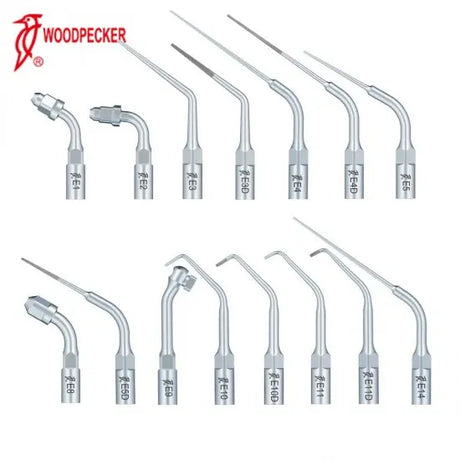
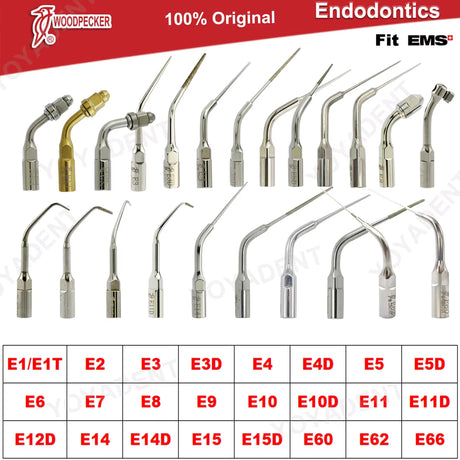
- Ultrasonic scaler tip material — magnetostrictive vs piezoelectric — Piezoelectric ultrasonic scalers (linear vibration, 25–50 kHz) are the standard in Egyptian dental practices for supragingival and subgingival scaling. Magnetostrictive scalers (elliptical vibration, 18–30 kHz) use a different tip motion pattern that some clinicians prefer for subgingival work. Piezoelectric units produce less heat at the tip and allow higher power settings without patient discomfort. Tips should be replaced when they show visible wear shortening of more than 1 mm (typically after 100–200 patient uses).
- Handpiece speed and torque requirements — High-speed air-turbine handpieces (300,000–450,000 rpm) provide rapid material removal for crown preparation and caries excavation. Electric high-speed handpieces (up to 200,000 rpm with constant torque) maintain cutting efficiency under load without speed drop, improving cavity preparation accuracy. Micromotor low-speed handpieces (200–40,000 rpm) drive polishing attachments, endodontic motors, and implant surgical engines depending on the attached torque control head. In Egyptian summer conditions, handpieces stored above 35°C require lubrication before first use of the day to ensure bearing functionality.
- Voltage stabilisation for Egyptian clinics — Egyptian national grid voltage fluctuations (commonly ±15–20% from 220V nominal) can damage sensitive PCBs in modern LED light-cure units, digital imaging sensors, endo motor controllers, and chair unit electronics. A dedicated automatic voltage regulator (AVR) or online UPS rated for the combined wattage of all connected equipment is essential for protecting dental equipment investment. Equipment failures from voltage spikes are one of the most common and preventable causes of equipment downtime in Egyptian dental clinics.
Dental Equipment Categories
| Category | Key Products | Clinical Use |
|---|---|---|
| Sterilisation | Class B autoclave, ultrasonic cleaners | Instrument reprocessing |
| Handpieces | High-speed, low-speed, micromotor, electric | Preparation, polishing, endodontics |
| Endodontic Devices | Endo motor, apex locator, obturation system | Root canal treatment |
| Imaging | Intraoral X-ray unit, digital sensor, intraoral camera | Diagnosis and monitoring |
| Light Curing | LED light cure unit, polywave LCU | Composite and adhesive curing |
Availability & Delivery in Egypt
MedSTA supplies dental equipment and accessories priced in EGP with delivery across all Egyptian governorates. Equipment accessories and consumables (handpiece oil, autoclave pouches, scaler tips) are available for same-day dispatch. Larger equipment items are shipped with appropriate packaging for Egyptian interstate delivery.
Frequently Asked Questions
What is the difference between a Class B and Class N autoclave?
What is the difference between a Class B and Class N autoclave?
Class B (pre-vacuum) autoclaves remove air from the sterilisation chamber using one or more vacuum pulses before steam injection, ensuring complete steam penetration into hollow instruments (handpieces, endo motor heads, suction cannulas) and wrapped porous loads. They are validated for Type B (hollow), Type A (porous/wrapped), and Type S (solid) loads per EN 13060. Class N autoclaves use gravity displacement only — steam enters from the top and pushes air out from the bottom — which does not reliably penetrate hollow instruments or pouch-wrapped sets. For Egyptian dental clinics sterilising handpieces and cassette-packaged instruments, a Class B autoclave is mandatory. Class N is limited to unwrapped solid instruments only and is insufficient for a fully compliant Egyptian dental infection control protocol.
What minimum irradiance is required from a dental light-curing unit?
What minimum irradiance is required from a dental light-curing unit?
A minimum of 1,000 mW/cm² irradiance is required for reliable cure of standard composites in a 10–20 second exposure, and for bulk-fill composites cured to 4 mm depth in a single increment. Units below 800 mW/cm² require extended exposure times (40–60 seconds) to achieve equivalent conversion, which is impractical in high-volume Egyptian dental practices. Check the irradiance with a radiometer every 3–6 months — LED output degrades over time, and a unit that measured 1,200 mW/cm² when new may have dropped below the 800 mW/cm² clinical threshold after 2–3 years of intensive use. Radiometer verification is more reliable than manufacturer specifications alone.
How should dental handpieces be maintained to prevent premature failure in Egypt?
How should dental handpieces be maintained to prevent premature failure in Egypt?
Dental handpieces require lubrication after every patient use, before sterilisation — not before use — to prevent bearing corrosion during the autoclave cycle. Use a spray lubricant (ISO-rated handpiece oil) through the drive air port, run the handpiece for 20–30 seconds to distribute the oil, wipe excess, then bag and autoclave at 134°C. In Egyptian summer conditions (ambient temperatures above 35°C), handpieces stored for extended periods without use should be lubricated before the first patient of the day. Bearings fail prematurely in Egyptian clinics primarily due to inadequate lubrication frequency, lubrication with incorrect oil, or autoclaving without prior lubrication. Professional service every 6–12 months includes bearing inspection and O-ring replacement.
How does Egyptian electrical grid instability affect dental equipment?
How does Egyptian electrical grid instability affect dental equipment?
Egyptian national grid voltage fluctuates commonly between 180–240V (±20% from 220V nominal) and is prone to sudden spikes and brownouts, particularly in summer when air-conditioning load is highest. Modern dental equipment — especially LED light-cure units, digital sensor processors, endo motor controllers, and imaging unit PCBs — use voltage-sensitive microprocessors that can be permanently damaged by spikes above their input voltage range. Install an automatic voltage regulator (AVR) rated for at least 1.5× the combined wattage of all connected equipment, or an online double-conversion UPS for the most sensitive devices. Equipment damage from unconditioned power is the most common cause of preventable capital equipment failure in Egyptian dental clinics.
Does MedSTA supply dental equipment accessories and spare parts in Egypt?
Does MedSTA supply dental equipment accessories and spare parts in Egypt?
Yes — MedSTA stocks dental equipment accessories and consumables including handpiece oil sprays, autoclave sterilisation pouches and rolls, ultrasonic scaler tips (stainless and ceramic), light-cure unit tips and sleeves, irrigation system components, and endo motor handpieces — all priced in EGP. Equipment accessories are available for rapid dispatch with delivery to Cairo and Giza within 24–48 hours. MedSTA also supplies major categories of dental equipment (ultrasonic scalers, endodontic motors, light cure units, intraoral cameras) for complete practice setup and equipment upgrade projects.