• Free shipping over 5000E£

  • Free help & advice

  • Hassle-free returns

  • Open 7 days a week

50% Off shipping fee

receiveup to 50% off shipping costs of orders above 500LE

SHIPPING50

Professional Burs and Stones in Egypt

(105 products)

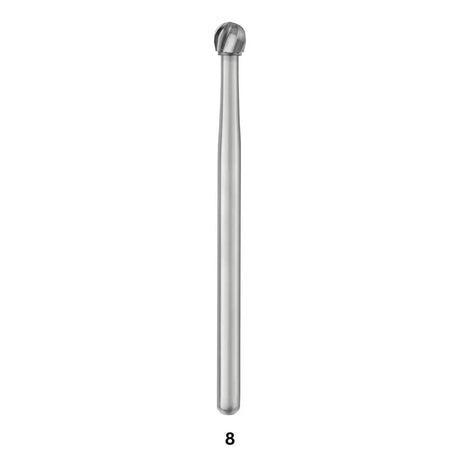
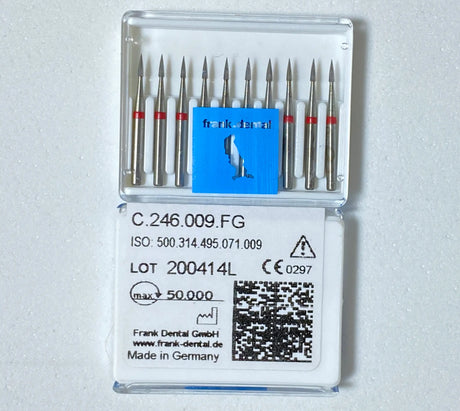
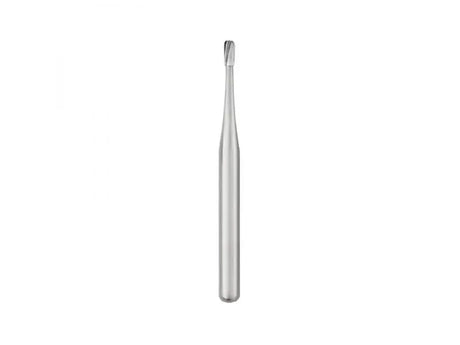
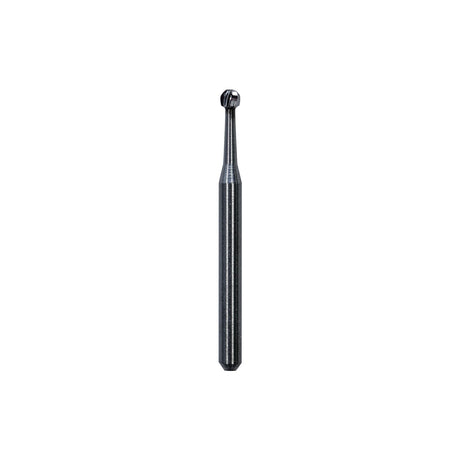
In the high-demand environment of the Egyptian dental market, Burs and Stones are the essential workhorses for every clinical procedure, from simple cavity access to complex prosthetic refinement. In the field of prosthodontics, the quality of your cutting tools directly impacts the accuracy of your margins and the biological health of the dental pulp by managing heat generation. At MedSTA, we provide a professional range of Burs and Stones including multi-use diamonds, tungsten carbides, and abrasive stones sourced to ensure maximum cutting efficiency and minimal vibration. By utilizing high-standard Burs and Stones, local practitioners can achieve the smooth surface finishes and precise emergence profiles required for long-term restorative success and superior patient comfort.

How to Choose the Right Burs and Stones for Your Practice

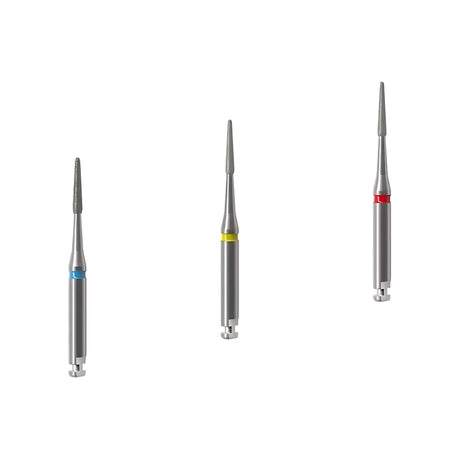
Standardized Grit Sequence: Select Burs and Stones based on the international color-coding system. Use Coarse (Green) or Super Coarse (Black) for rapid bulk reduction, and switch to Fine (Red) or Extra-Fine (Yellow) for marginal finishing to ensure a smooth transition for better impression accuracy.

Shank Type Compatibility: Differentiate between Friction Grip (FG) shanks for high-speed turbines and Right Angle (RA) or Latch-type shanks for slow-speed contra-angles. Using the correctly specified shank for your Burs and Stones prevents handpiece bearing wear and ensures stable, vibration-free rotation.

Material Composition (Carbide vs. Diamond): Prioritize tungsten carbide Burs and Stones for cutting through old amalgam or metallic crowns to prevent shattering. Use diamond-coated burs for enamel and zirconia preparations due to their superior abrasive power and heat dissipation.

Concentricity and Balance: Opt for Burs and Stones with high concentricity (a perfectly centered shaft). This is technically vital for preventing micro-cracks in the tooth structure and achieving the razor-sharp margins required for indirect restorations in the local clinical environment.

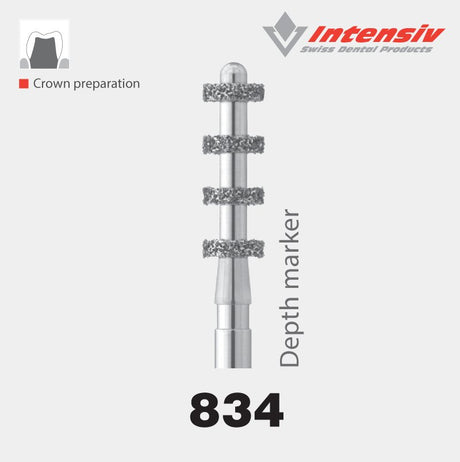
Tip Geometry for Specific Indications: Ensure your kit includes specialized shapes like "tapered fissures" for crown preparations and "round" Burs and Stones for caries removal. The geometry of the tip determines the final anatomical contour and the mechanical retention of the restoration.


View as

FAQs

How many times can I safely reuse diamond Burs and Stones? 

While some are rated for multi-use, most diamond burs lose their cutting efficiency after 3–5 uses. Using dull Burs and Stones creates excessive friction heat, which can lead to irreversible pulpal damage and patient pain.

Can I use standard Burs and Stones for Zirconia or E-max? 

No. High-strength ceramics require specialized diamond Burs and Stones designed for high-hardness substrates to prevent "sparking" and ensure the bur does not wear out prematurely during the adjustment phase.

Why do my carbide Burs and Stones rust after sterilization? 

Rusting typically occurs if the tools are made of low-grade steel. High-quality Burs and Stones are manufactured from surgical-grade stainless steel to resist corrosion during repeated 134°C autoclave cycles.

Which stones are best for final occlusal adjustments? 

Fine-grit white stones or Arkansas stones are ideal. They allow for the delicate reduction of enamel or composite without the aggressive cutting of a diamond bur, helping you achieve a perfectly balanced occlusion.

What is the best way to clean debris from clogged Burs and Stones? 

Use an ultrasonic cleaner with a neutral pH solution to remove biological debris. Avoid using wire brushes, as they can strip the diamond coating and dull the carbide blades, significantly shortening the lifespan of your Burs and Stones.

Compare /5

Loading...