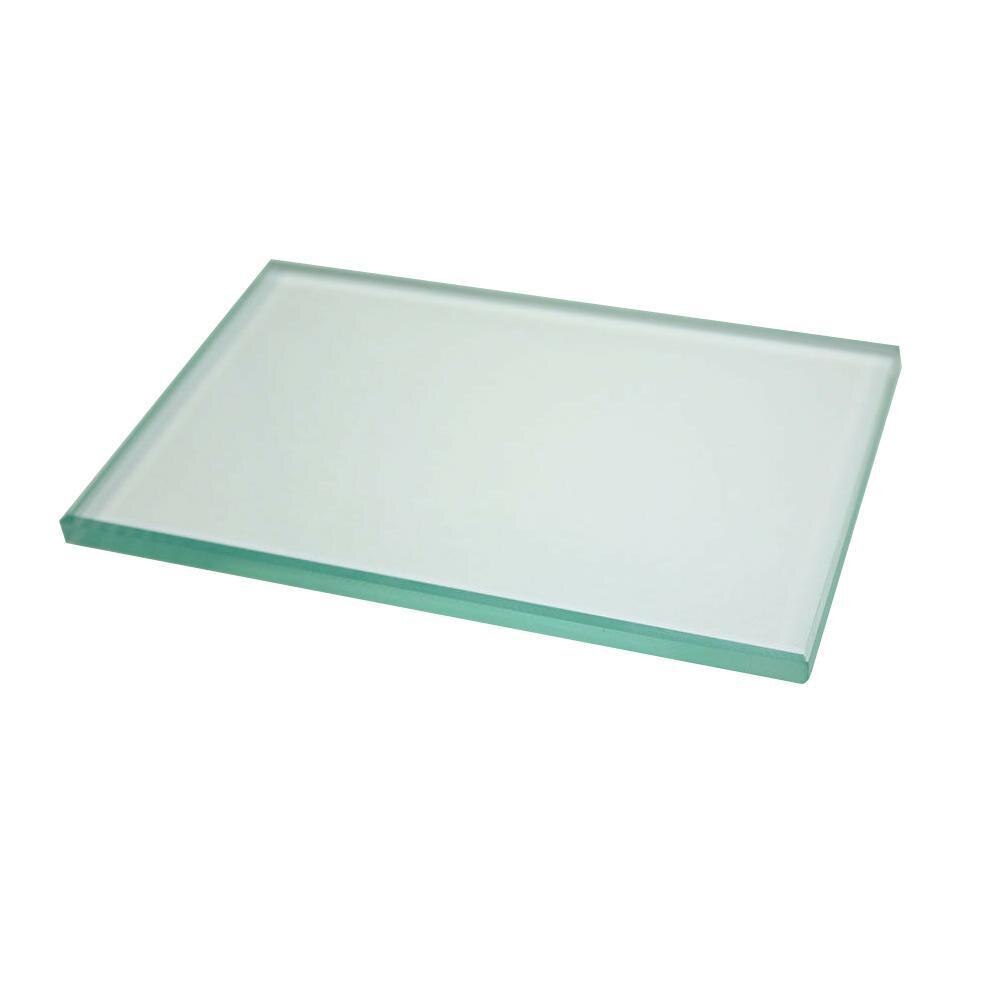
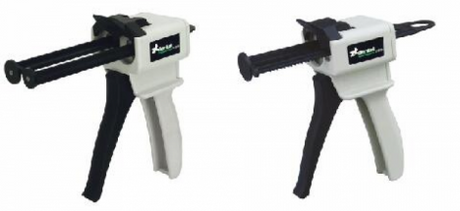
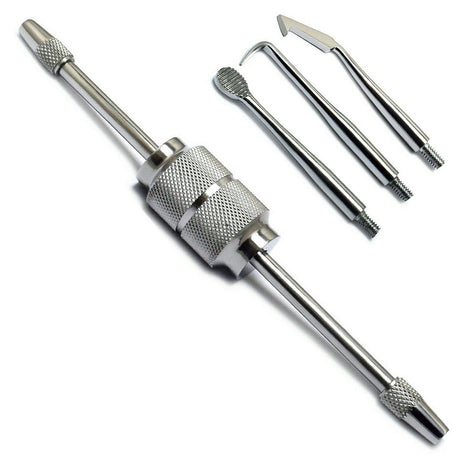
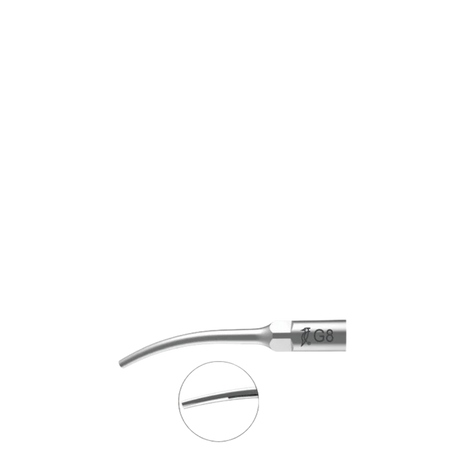
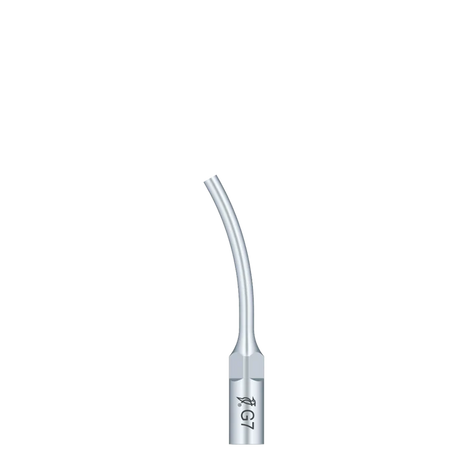
In the specialized field of Prosthodontics, achieving the perfect fit for a fixed or removable restoration depends entirely on the precision of your Prosthodontic Instruments. From the initial impression stage to the final cementation of crowns and bridges, these tools are the primary interface between the clinician’s skill and the patient’s clinical outcome. The Egyptian dental market requires instruments that offer superior tactile sensitivity and mechanical reliability to handle high patient volumes. At MedSTA, we provide a curated range of high-performance Prosthodontic Instruments including crown removers, cement spatulas, and precision trays designed to ensure anatomical accuracy. By utilizing professional-grade Prosthodontic Instruments, local practitioners can minimize chair time and provide restorations that are both functionally stable and biologically compatible.
How to Choose the Right Prosthodontic Instruments for Your Practice
Medical-Grade Stainless Steel (AISI 420): Ensure your Prosthodontic Instruments are manufactured from high-carbon AISI 420 surgical steel. This grade is essential for maintaining the structural integrity of spatulas and the sharp edges of crown removers through repeated 134°C autoclave cycles.
Ergonomic Handle Diameter and Weight: Choose Prosthodontic Instruments with large-diameter (9mm–11mm), lightweight handles. Ergonomic grips are vital for reducing hand fatigue during long prosthetic preparation sessions and provide the fine control needed for delicate cement removal.
Spatula Flexibility and Blade Thinness: For mixing cements and liners, prioritize Prosthodontic Instruments with flexible, thin-blade spatulas. High flexibility allows for a more homogeneous mix and ensures the material can be applied smoothly into the narrow internal surfaces of crowns.
Crown Remover Mechanical Action: Select Prosthodontic Instruments for crown removal that feature adjustable tension or pneumatic action. A high-quality remover should provide a controlled "shock" force to break the cement seal without traumatizing the periodontal ligament or damaging the underlying abutment.
Surface Finish and Corrosion Resistance: Opt for Prosthodontic Instruments with a high-polish or satin finish. A superior surface treatment prevents the adhesion of modern resin cements and ensures the tools remain rust-free in the local humid climate.