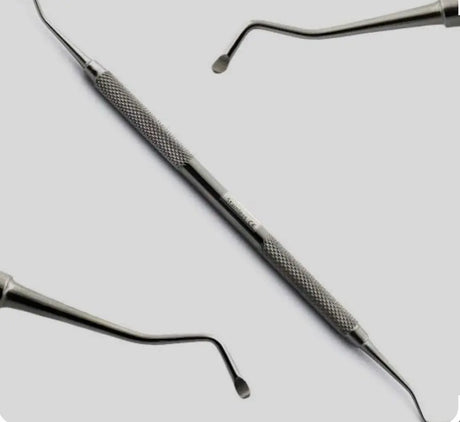
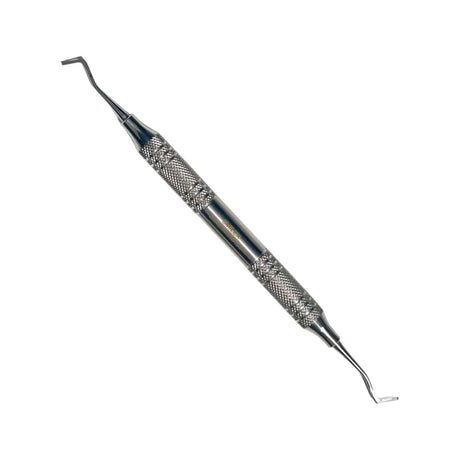
In the precision-driven Egyptian dental market, the dental excavator remains one of the most critical hand instruments for successful restorative outcomes within modern Restorative Instruments protocols. While high-speed burs are used for initial access, the dental excavator is indispensable for the delicate removal of softened, carious dentin near the pulp chamber. Its primary clinical value lies in providing the practitioner with "tactile sensitivity," allowing them to distinguish between infected dentin (which must be removed) and affected dentin (which can be remineralized). At MedSTA, our dental excavator selection is manufactured from high-grade surgical steel to ensure sharp cutting edges and long-term durability. By utilizing a high-quality dental excavator, clinicians can practice conservative dentistry, preserving maximum tooth structure and reducing the risk of accidental pulpal exposure.
How to Choose the Right Dental Excavator for Your Practice
Tip Diameter and Geometry (mm): Choose a dental excavator based on the cavity size. Standard spoon shapes range from small (1.0mm) for narrow access to large (2.5mm) for high-volume debridement. Having a variety of diameters is essential for reaching all internal line angles of the preparation.
Stainless Steel Grade (AISI 420/440): Ensure the dental excavator is made from high-carbon AISI 440 or 420 stainless steel. This specific grade ensures the instrument maintains a razor-sharp edge over repeated uses and resists the corrosion common during 134°C autoclave cycles.
Shank Angulation and Reach: Prioritize a dental excavator with a triple-angle or bin-angle shank. Proper angulation allows for easier access to posterior molars and distal surfaces without the handle obstructing the clinician's line of sight.
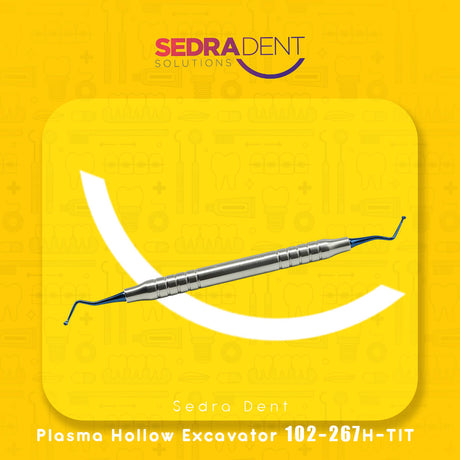
Handle Ergonomics (Hollow vs. Solid): Opt for a dental excavator with a large-diameter, hollow handle (typically 10mm). Lightweight handles improve tactile feedback and significantly reduce hand fatigue during the manual "scooping" motion required for deep caries removal.
Double-Ended Versatility: Select a double-ended dental excavator featuring mirrored tips. This allows the practitioner to switch between mesial and distal orientations or different tip sizes instantly, streamlining the restorative workflow and reducing the number of instruments on the bracket table.