• Free shipping over 5000E£

  • Free help & advice

  • Hassle-free returns

  • Open 7 days a week

50% Off shipping fee

receiveup to 50% off shipping costs of orders above 500LE

SHIPPING50

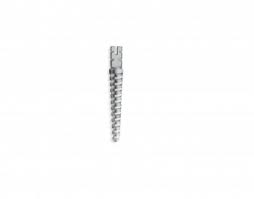
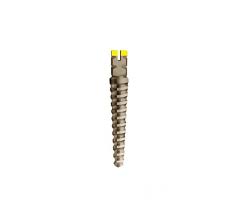
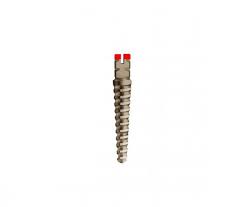
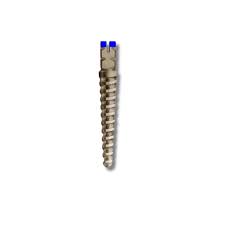
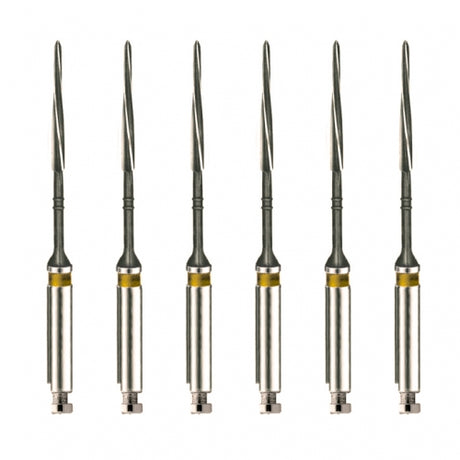
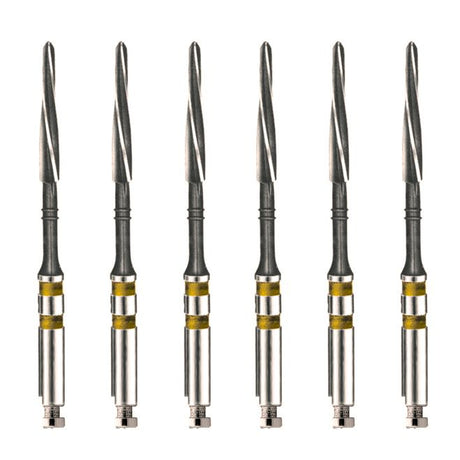
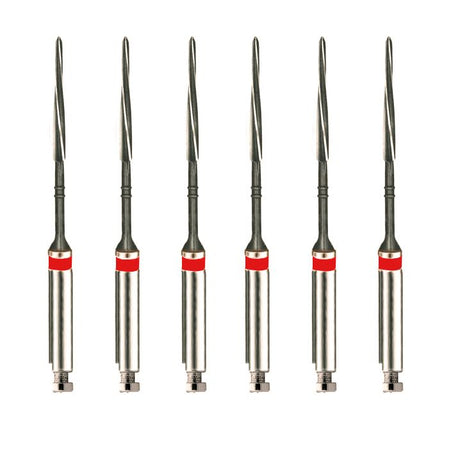
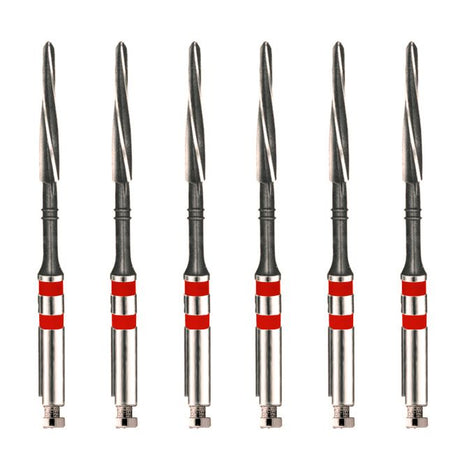
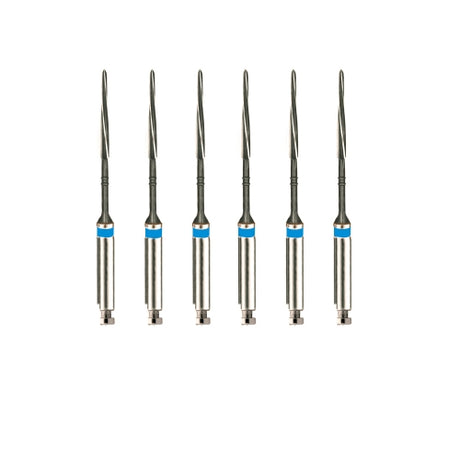
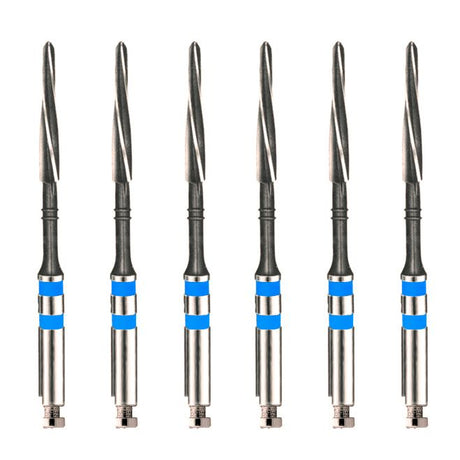
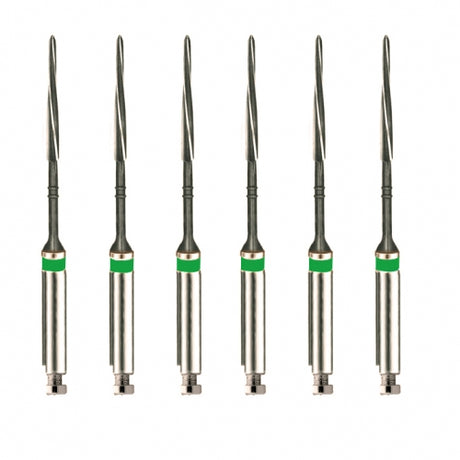
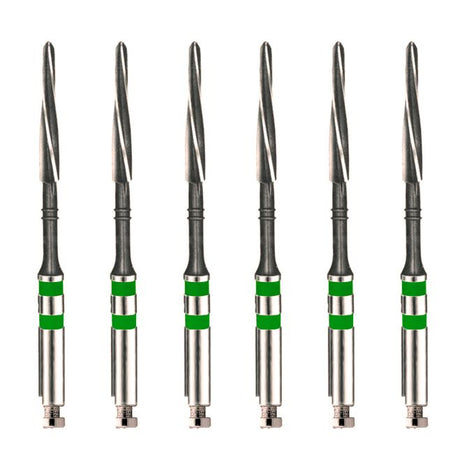
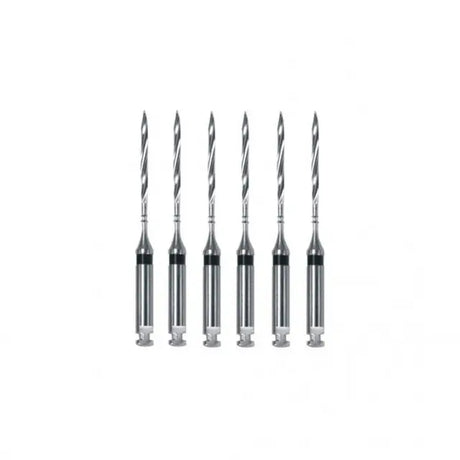
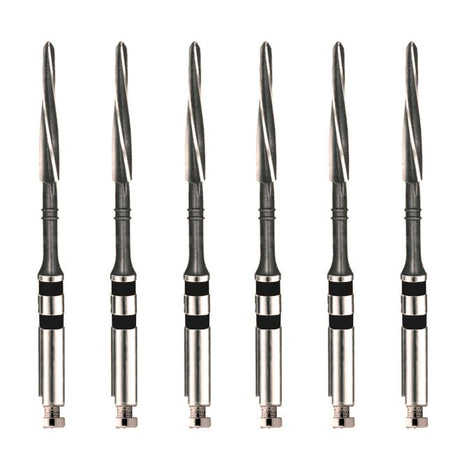
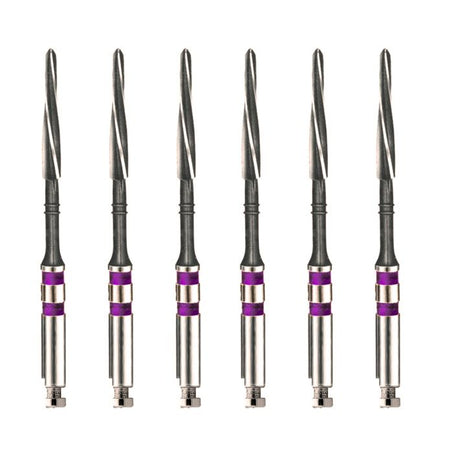
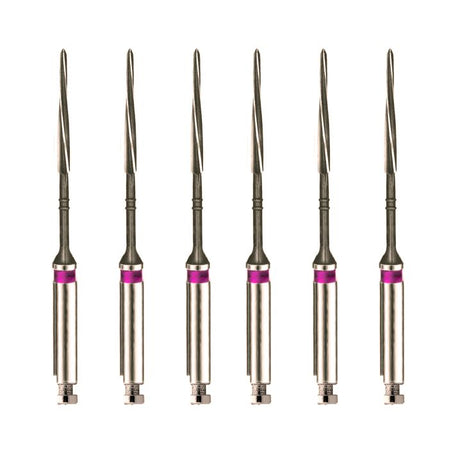
Shop Professional Posts and Drills in Egypt

(26 products)

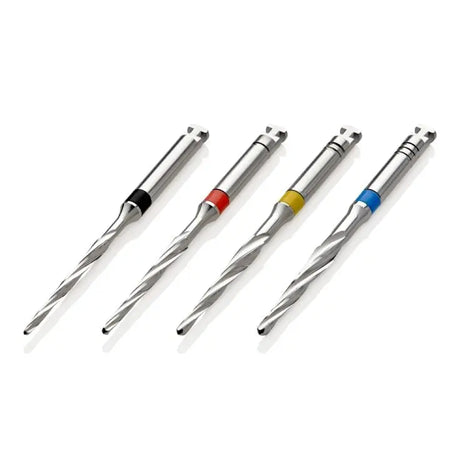
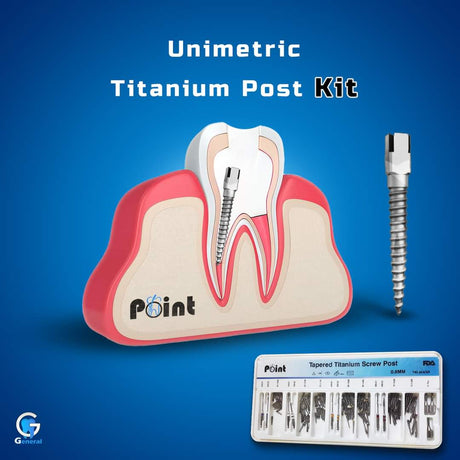
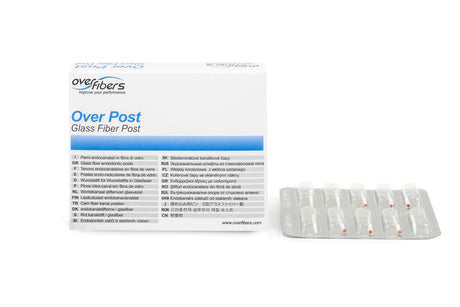
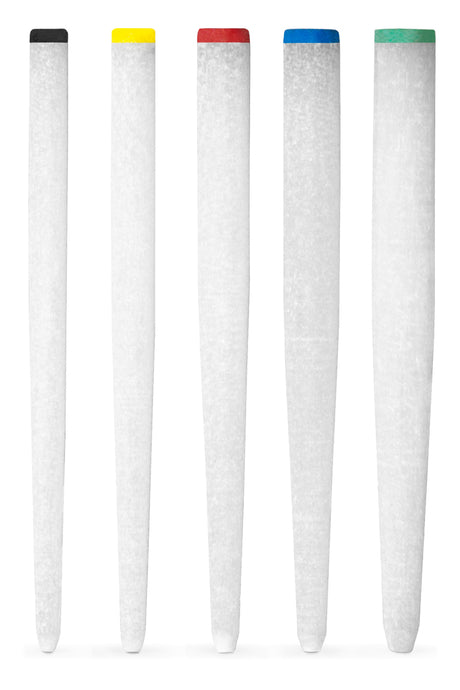
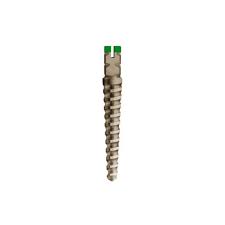
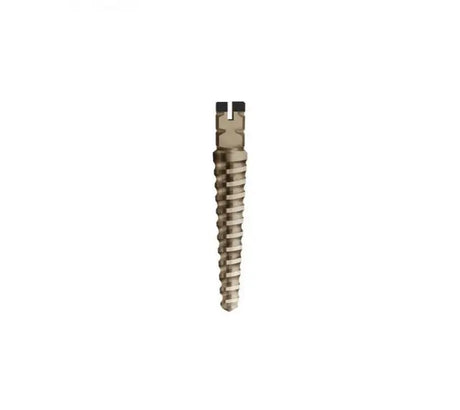
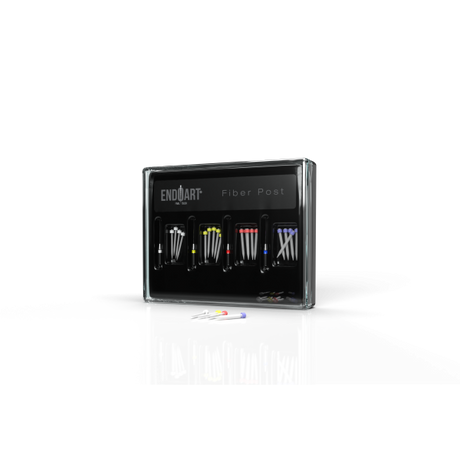
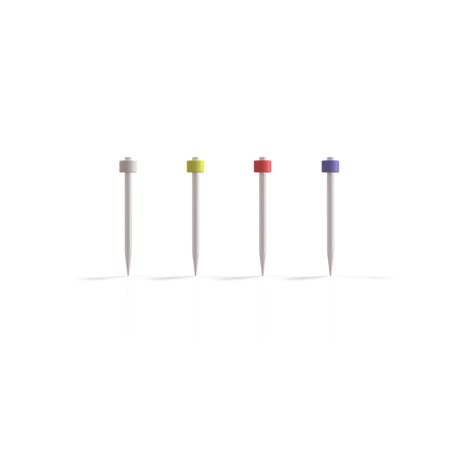
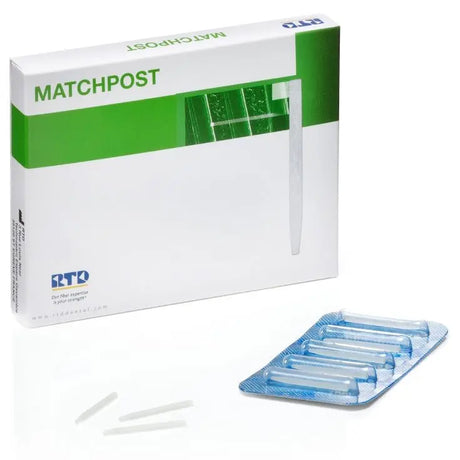
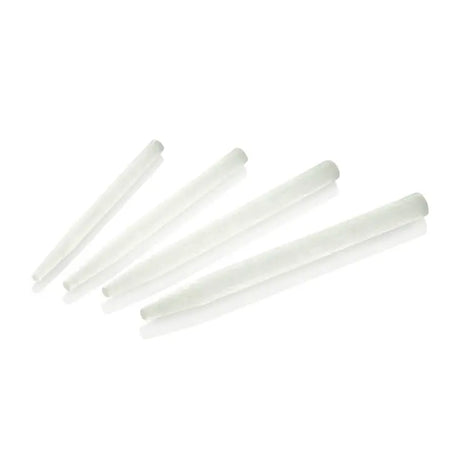
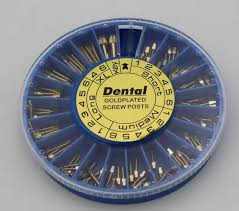
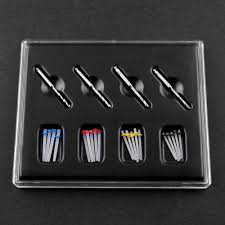
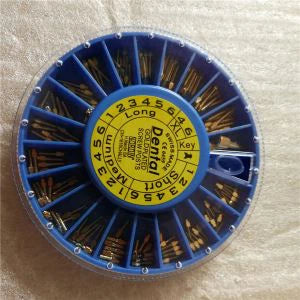
In the specialized field of Prosthodontics, the successful restoration of teeth with extensive coronal loss often hinges on the precise application of Posts and Drills. When the remaining tooth structure is insufficient to support a core build-up, Posts and Drills systems provide the necessary mechanical retention for the final prosthetic crown. At MedSTA, we offer high-performance Posts and Drills ranging from translucent glass fiber posts to traditional titanium and stainless steel systems. By utilizing anatomical Posts and Drills, Egyptian clinicians can ensure a more uniform distribution of functional stresses along the root canal walls, significantly reducing the risk of vertical root fractures. Our collection is curated to provide superior radiopacity and bond strength, meeting the rigorous standards of modern restorative dentistry across the country.

How to Choose the Right Posts and Drills for Your Practice

Modulus of Elasticity (GPa): Prioritize fiber Posts and Drills with a modulus of elasticity similar to natural dentin (approx. 20 GPa). This technical specification ensures that the post flexes with the tooth, which is critical for preventing the stress concentration that leads to root fractures in the local patient population.

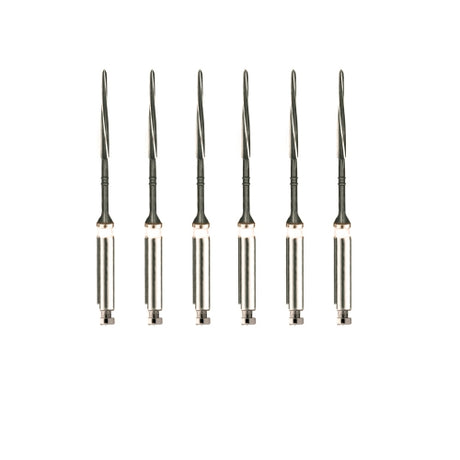
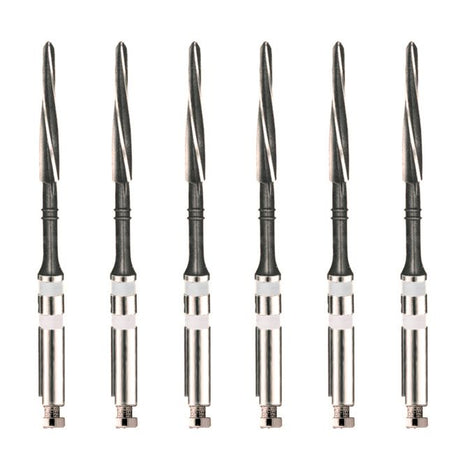
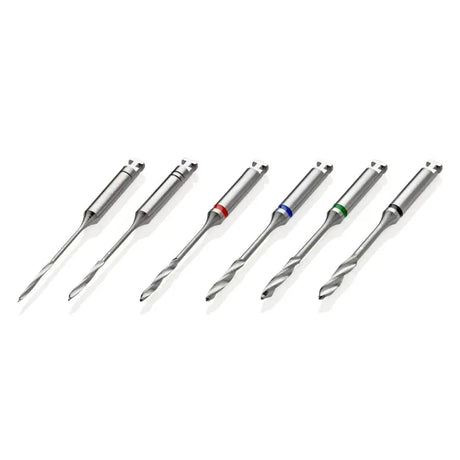
Drill-to-Post Calibration (Tolerance): Choose a system where the drills are precisely calibrated to the posts (typically within 0.01mm). A perfect fit between the Posts and Drills ensures a minimal cement line, which technically increases the retention and stability of the final restoration.

Radiopacity Levels (>3mm Al): Ensure the Posts and Drills you select offer high radiopacity. For clinical success, the post must be clearly visible on digital X-rays to allow the practitioner to verify the depth of placement and monitor the apical seal over time.

Passive vs. Active Thread Design: For most cases, choose passive Posts and Drills. Passive designs rely on cementation for retention rather than "threading" into the dentin, which significantly minimizes the internal stress risers that can cause iatrogenic root cracking.

Material Biocompatibility: Opt for Posts and Drills made from Grade 5 Titanium or translucent glass fiber. These materials are highly biocompatible and corrosion-resistant, ensuring they do not cause metallic tattooing of the gingiva or allergic reactions in sensitive patients.


View as

FAQs

Why is fiber preferred over metal in modern Posts and Drills systems? 

As discussed on professional forums like Reddit (r/dentistry), fiber Posts and Drills are preferred because they distribute forces more naturally. If the tooth undergoes extreme trauma, the fiber post is designed to fail before the root does, potentially saving the tooth from extraction.

How much gutta-percha should remain after using Posts and Drills? 

To maintain a predictable apical seal, Egyptian specialists recommend leaving at least 4mm to 5mm of gutta-percha at the apex. Over-preparation with Posts and Drills can compromise the endodontic success and lead to periapical lesions.

What is the best cement for fiber Posts and Drills? 

Dual-cure resin cements are the gold standard. They provide immediate stability through light-curing while the chemical-cure mechanism ensures a complete set in the deepest parts of the canal where light cannot reach.

How do I prevent "debonding" of the post? 

Debonding is often caused by moisture or residual gutta-percha. Ensure the canal is cleaned with a specialized drill from the Posts and Drills kit and use a paper point to verify the canal is 100% dry before cementation.

How should I sterilize the drills from the Posts and Drills kit? 

The stainless steel drills should be cleaned in an ultrasonic bath and dried completely before being placed in a 134°C autoclave cycle. Using dull or rusted drills from the Posts and Drills set can generate excessive heat, leading to thermal injury of the periodontal ligament.

Compare /5

Loading...