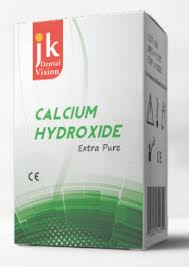
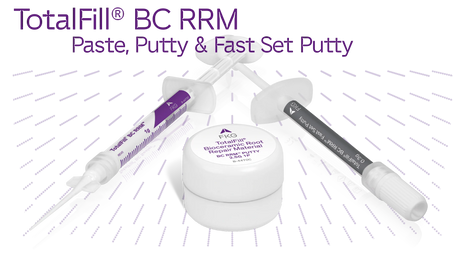
In the complex field of root canal therapy, the use of professional endodontic medication is a critical factor in managing persistent microbial infections and ensuring long-term periapical healing within comprehensive endodontic supply protocols. Unlike routine procedures, cases involving necrotic pulps or periapical lesions often require inter-appointment disinfection to eliminate Enterococcus faecalis and other resistant bacteria. High-quality endodontic medication, ranging from calcium hydroxide pastes to anti-inflammatory intracanal dressings, provides a controlled chemical environment that promotes tissue repair and reduces post-operative flare-ups. At MedSTA, we understand that Egyptian practitioners require endodontic medication with high biocompatibility and proven antibacterial efficacy. By utilizing the correct endodontic medication, clinicians can confidently manage symptomatic teeth and improve the predictability of their endodontic outcomes.
How to Choose the Right Endodontic Medication for Your Practice
Alkaline pH Levels: For intracanal disinfection, choose endodontic medication with a high pH (typically 12.5 or higher). A high alkaline environment is essential for neutralizing acidic bacterial byproducts and stimulating the formation of hard tissue bridges.
Radiopacity for Diagnostic Verification: Prioritize endodontic medication that is highly radiopaque. This allows the clinician to verify the depth and density of the medicament placement on a digital X-ray, ensuring the entire root canal system is effectively treated.
Chemical Composition (Therapeutic vs. Antimicrobial): Select your endodontic medication based on the clinical diagnosis. Use calcium hydroxide for long-term disinfection and "Ledermix-style" pastes (containing corticosteroids and antibiotics) for immediate pain relief in cases of acute pulpitis.
Delivery System and Consistency: Opt for endodontic medication provided in pre-mixed, non-setting syringes with fine-gauge tips. This ensures easy placement into the apical third and simplifies the removal of the medicament during the final obturation appointment.
Biocompatibility and Tissue Solubility: Ensure the endodontic medication is non-resorbable within the canal but easily soluble in irrigation solutions. The medication must be able to stay active between visits without causing irritation to the periapical tissues if accidental extrusion occurs.