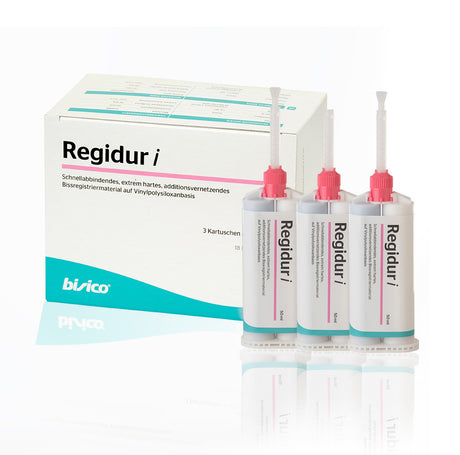
In the precision-driven field of Prosthodontics, achieving a perfect marginal fit for crowns, bridges, and dentures starts with the accuracy of the Dental impression material. The Egyptian dental market demands materials that offer a balance between exceptional detail reproduction and clinical ease of use. Whether you are performing a simple diagnostic scan with alginate or a complex multi-unit restoration using Vinyl Polysiloxane (VPS), the quality of your Dental impression material directly dictates the success of the laboratory phase. At MedSTA, we provide a curated range of professional impression solutions designed to withstand high-volume clinical needs. By utilizing high-standard Dental impression material, local practitioners can significantly reduce the risk of costly remakes, ensuring a more efficient workflow and higher patient satisfaction across the country.
How to Choose the Right Dental impression material for Your Practice
Hydrophilicity and Contact Angle: Choose Dental impression material with a low contact angle (high hydrophilicity). This technical specification ensures the material can displace oral fluids and flow into deep subgingival areas, capturing sharp margins even in the presence of minor residual moisture.
Dimensional Stability: Prioritize VPS or Polyether-based Dental impression material for fixed prosthetics. These materials offer superior dimensional stability (less than 0.05% to 0.2% change), allowing models to be poured multiple times or even delayed without losing anatomical accuracy.
Elastic Recovery (Percentage): Select Dental impression material with a recovery rate of 99% or higher. This ensures that the material returns to its original shape after being stretched over deep undercuts during removal, preventing the distortion of the final prosthetic.
Tear Strength (N/mm): Opt for materials with high tear strength to prevent the Dental impression material from shredding in the gingival sulcus or interproximal spaces. This is critical for maintaining the integrity of the "wash" material in double-impression techniques.
Shore Hardness (Type A): Evaluate the final Shore hardness based on the procedure. A higher Shore hardness is ideal for bite registrations to prevent compression during laboratory articulation, while a medium hardness for trays ensures stability without making the tray too difficult to remove.