
Shop By Category





Henry Schein
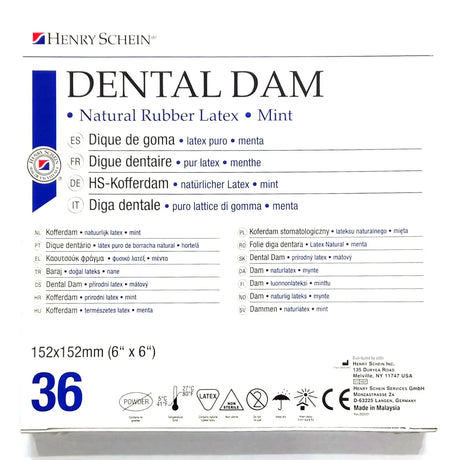
Henry Schein Rubber Dam Sheet 6*6
Very low stock (6 units)Regular price LE 330.00 EGPUnit price /Unavailable
UDG
UDG M3 Pro Gold Refill Taper 4
In stock (38 units)Regular price LE 359.00 EGPUnit price /Unavailable-

Rogin Dental
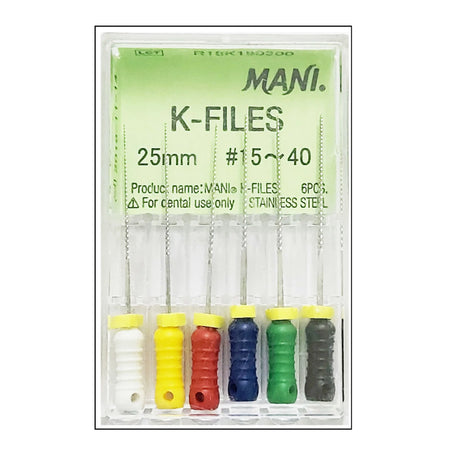
Rogin Rotary file refill Taper 4
In stock (28 units)Regular price LE 365.00 EGPUnit price /Unavailable 6% off
Eighteeth
Eighteeth E-FLEX Blue Rotary File Taper4% (6pcs)
Very low stock (4 units)Sale price LE 295.00 EGP Regular price LE 315.00Unit price /Unavailable-

Rogin Dental
Rogin Path rotary path-finding files 3 files assorted kit
Very low stock (3 units)Regular price LE 295.00 EGPUnit price /Unavailable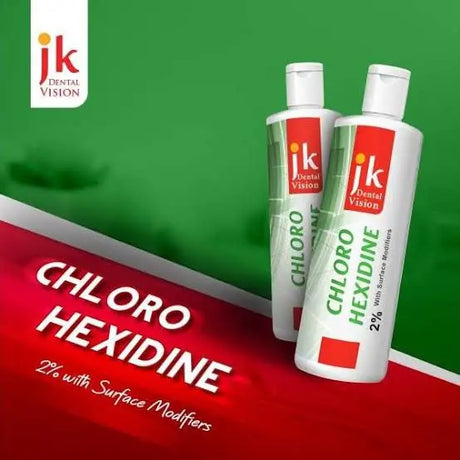
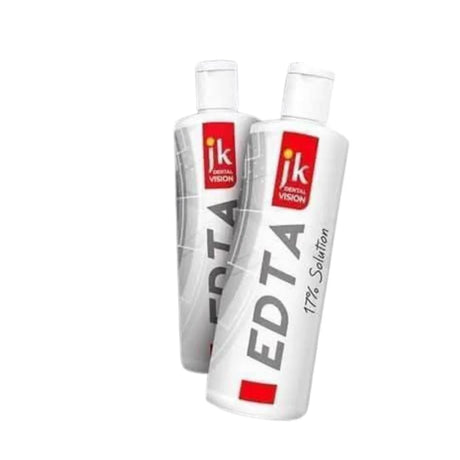
JK Dental Vision
Low stock (16 units)Regular price LE 35.00 EGPUnit price /Unavailable
UDG
M3 Pro Gold Rotary Files assorted 6 files
Low stock (16 units)Regular price LE 345.00 EGPUnit price /Unavailable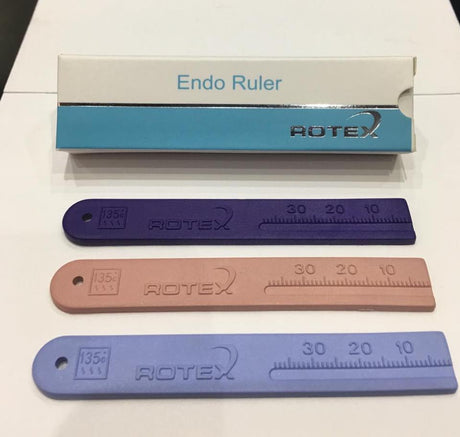
Rotex
Low stock (11 units)Regular price LE 25.00 EGPUnit price /UnavailableJK Dental Vision
Low stock (11 units)Regular price From LE 60.00 EGPUnit price /Unavailable-
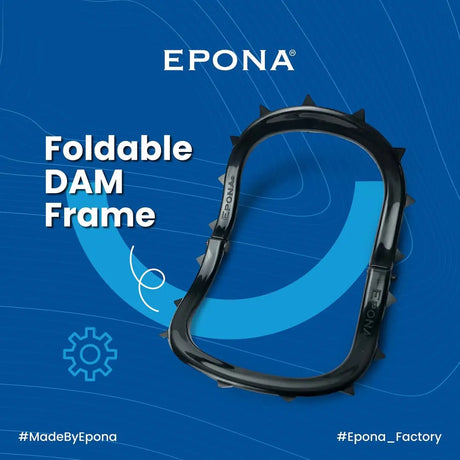
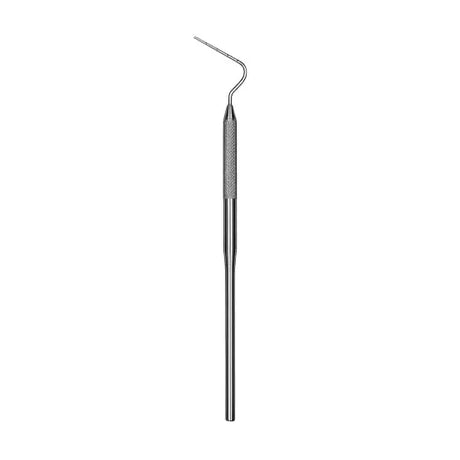
Epona
Low stock (18 units)Regular price LE 99.00 EGPUnit price /Unavailable-

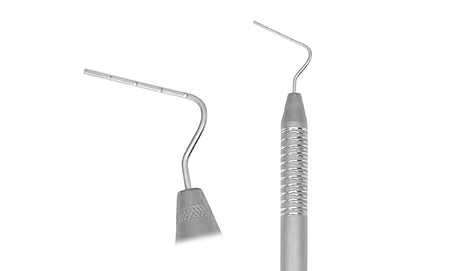
Fanta
Very low stock (1 unit)Regular price LE 325.00 EGPUnit price /Unavailable



How to Choose Endodontic Supplies for Your Practice
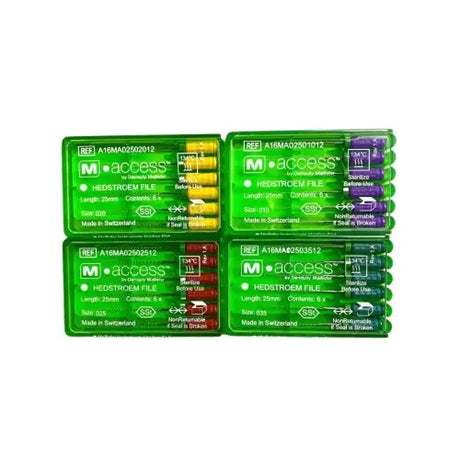
- NiTi File Alloy (M-Wire vs Gold vs Blue Heat-Treated) — Conventional NiTi files (austenitic phase at room temperature) have high elastic modulus and limited flexibility. M-Wire NiTi (thermomechanically treated) increases cyclic fatigue resistance by 50–400% vs conventional NiTi. Gold-treated files (e.g. ProTaper Gold, Reciproc Gold) use a controlled heat treatment that produces a martensitic phase at room temperature, providing superior flexibility in curved canals. Blue NiTi (oxygen diffusion surface treatment) further increases fatigue resistance. Specify alloy type when ordering rotary file systems for curved or calcified canals.
- Taper and ISO Tip Size — File taper (expressed as .02, .04, .06, .08) determines how aggressively the file removes dentine coronal to the working tip. A .04 taper is the standard for most NiTi rotary systems. .06 or .08 tapers are used in coronal thirds for improved debridement but remove more dentine per unit length. ISO tip size (D0 diameter at 1 mm from tip) should be matched to the final master apical file size confirmed with a hand file at the working length.
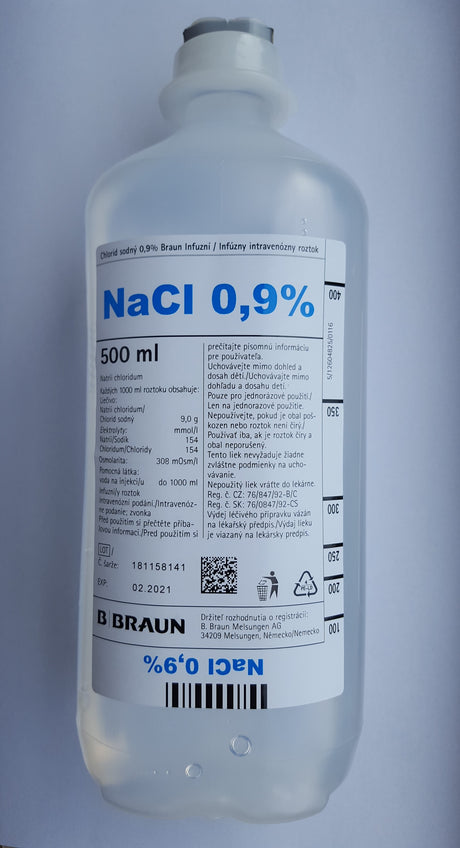
- Irrigation Protocol: NaOCl Concentration and Adjuncts — Sodium hypochlorite (NaOCl) is the primary endodontic irrigant, used at concentrations of 1–5.25% depending on operator preference and tooth perforation risk. 17% EDTA is applied for 1 minute before final irrigation to chelate the smear layer and open dentinal tubules. Chlorhexidine 2% (CHX) provides residual antimicrobial activity but should never be mixed directly with NaOCl (precipitate formation). Passivate CHX after a saline flush.
- Gutta Percha ISO Standardization and Taper Matching — Gutta percha points must match the master apical file ISO size and taper exactly. Standardised (conventional) points follow ISO 6877 color coding (pink=06 to black=140). Taper-matched points (.04 and .06 tapers) are available to match NiTi rotary finishing files for single-cone obturation. Confirm taper and tip-size compatibility between your file and gutta percha before ordering bulk stock.
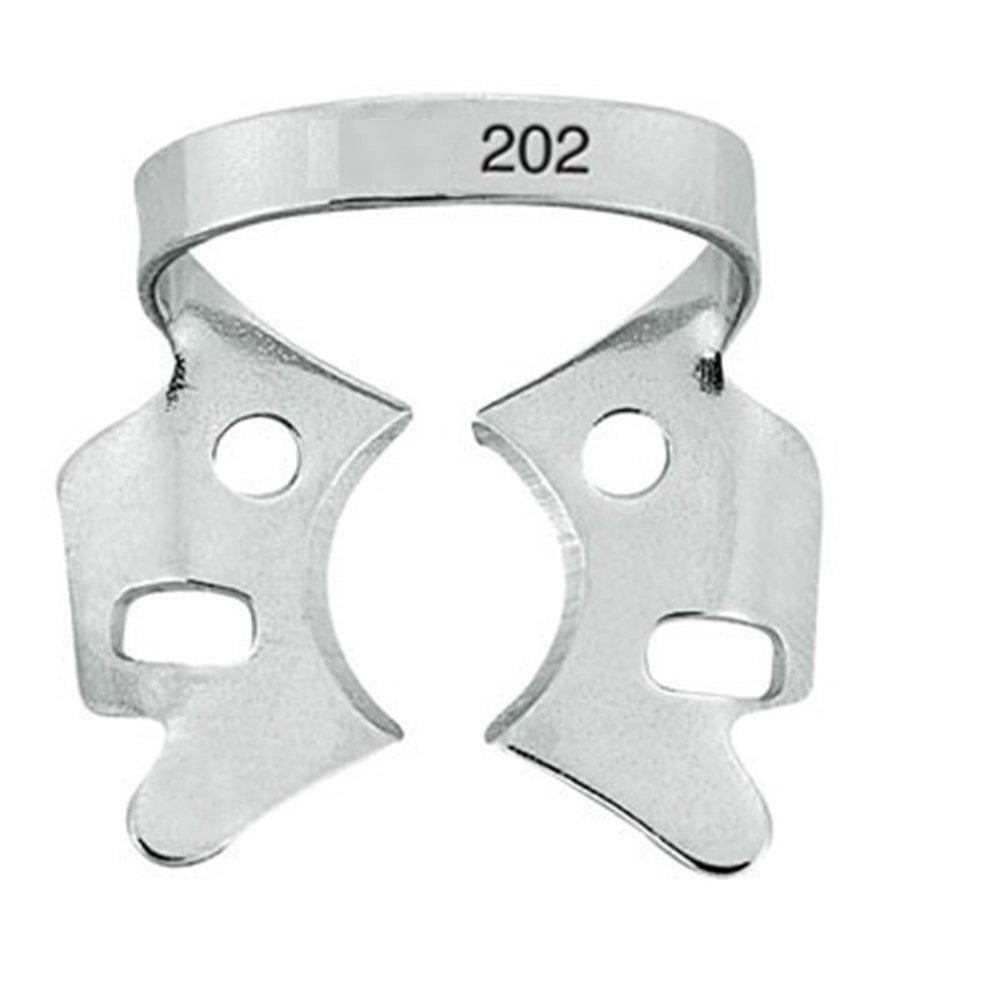
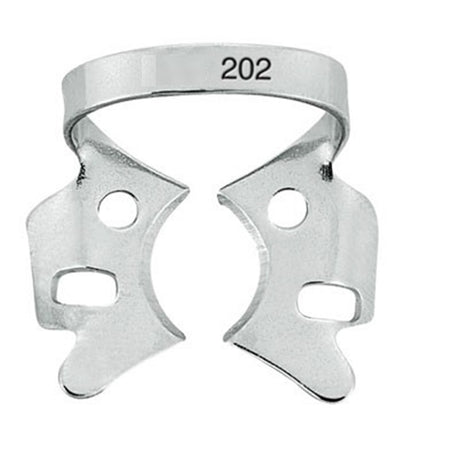
- Rubber Dam System: Clamp and Frame Compatibility — Rubber dam isolation is mandatory for root canal treatment. Clamp selection depends on tooth morphology: wingless clamps (Ivory 26 series) for posterior molars with subgingival margins; winged clamps for premolars; anterior clamps (Ivory 9) for incisors and canines. Rubber dam sheet material (latex vs nitrile for latex-allergic patients) must be specified. Standard punch hole sizes: 5 for molars, 4 for premolars, 2–3 for anteriors.
- Electronic Apex Locator Accuracy — Modern 4th and 5th generation apex locators (multi-frequency impedance measurement) provide accuracy within ±0.5 mm of the radiographic apex in most clinical conditions, including the presence of intracanal irrigants. Verify the apex locator's operating frequency pair (e.g. 400 Hz / 8 kHz); dual-frequency devices outperform single-frequency units in wet canal conditions common in Egyptian endo practice.
Key Endodontic Material Categories at a Glance
| Category | Key Spec | Clinical Use | Examples Available at MedSTA |
|---|---|---|---|
| NiTi Rotary Files | Alloy (M-Wire/Gold/Blue), taper (.04/.06), ISO tip size | Curved canal shaping | ProTaper, WaveOne, Reciproc |
| Manual Hand Files | ISO 6 – 140, K-type or H-type, SS or NiTi | Scouting, glide path, apical finishing | Videya K-File, H-Files |
| Gutta Percha Points | ISO matched, .04/.06 taper, ASTM D6529 | Root canal obturation | UDG, Meta Biomed, DiaDent |
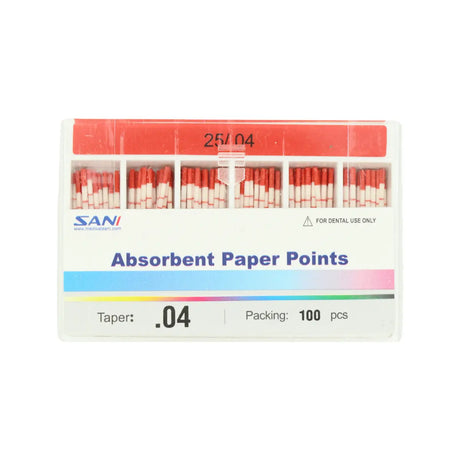
| Paper Points | ISO matched, absorbent cellulose | Canal drying before obturation | Sani Paper Points |
| Rubber Dam Clamps | Stainless steel, wingless/winged per tooth type | Field isolation for RCT | Generic, Ivory-compatible |
| Endodontic Sealer | Eugenol/resin/bioceramic base, ISO 6876 setting time | Gutta percha-to-dentin seal | AH Plus, MTA Fillapex, BC Sealer |
Availability & Delivery in Egypt
All endodontic supplies at MedSTA are priced in EGP with nationwide delivery across Egypt. NiTi rotary files should be stored in their original packaging away from moisture to prevent surface corrosion that accelerates fatigue fracture. Irrigation solutions (NaOCl, EDTA) must be stored in opaque containers below 25°C to maintain concentration stability in Egyptian summer conditions. Both branded and Egyptian-market generic endodontic supplies are stocked.
Frequently Asked Questions
What is the difference between M-Wire, Gold, and Blue NiTi file alloys?
What is the difference between M-Wire, Gold, and Blue NiTi file alloys?
All three are heat-treatment variants of conventional NiTi that increase flexibility and cyclic fatigue resistance. M-Wire (thermomechanically processed NiTi) is the standard upgrade over conventional NiTi, providing 2–4× greater fatigue resistance. Gold NiTi (e.g. ProTaper Gold) uses a proprietary heat treatment that shifts the alloy toward the martensitic phase at body temperature, offering superior flexibility in severely curved canals. Blue NiTi adds an oxygen-diffusion surface treatment that further improves hardness and fatigue resistance. Choose Gold or Blue alloy for canals with curvature >25°.
How do I match gutta percha points to my rotary file system?
How do I match gutta percha points to my rotary file system?
Gutta percha must match both the ISO tip diameter and the taper of the master apical file. For example, after finishing with a .04/25 rotary file, use a .04 taper, size 25 gutta percha point for single-cone obturation. Conventional ISO-standardised gutta percha (02 taper) is used with warm obturation systems where the master cone is compacted. Confirm the manufacturer's taper designation (printed on the box) matches your file taper exactly — a mismatch of 0.02 taper produces a visible apical gap on test-fitting.
What concentration of sodium hypochlorite is best for root canal irrigation in Egypt?
What concentration of sodium hypochlorite is best for root canal irrigation in Egypt?
2.5–3% NaOCl is the most commonly used clinical concentration, balancing tissue-dissolving efficacy with reduced cytotoxicity risk from inadvertent extrusion. Egyptian practices often use 2.5% NaOCl prepared from diluted household bleach — verify actual concentration with a pool test kit, as Egyptian household bleach varies from 3.5–5.5% active chlorine. Pair with 17% EDTA for 1 minute before final NaOCl flush to ensure smear layer removal.
Is rubber dam mandatory for root canal treatment in Egypt?
Is rubber dam mandatory for root canal treatment in Egypt?
Yes. Rubber dam isolation is the accepted standard of care for endodontic treatment globally, including Egypt. It prevents salivary contamination of the root canal system (which introduces new bacteria and reduces prognosis), protects the patient from hypochlorite ingestion, and prevents file aspiration. The Egyptian Dental Association and international endodontic guidelines (ESE, AAE) both mandate rubber dam use for all stages of root canal treatment.
How many NiTi rotary files can be used before replacement?
How many NiTi rotary files can be used before replacement?
Single-use (disposable) protocols are the standard for NiTi files in private Egyptian dental practices — one file per patient for patient safety and medicolegal compliance. Reuse protocols (2–4 canals per file with clinical inspection) exist but require a torque-controlled motor with auto-reverse, visual inspection under magnification for surface deformation, and cycle counting. Most Egyptian endodontists adopt single-use rotary files for all molar cases and may reuse files for premolar/anterior canals up to 2–3 times with careful inspection.