

Asnanco
Asnanco Usb extender for sensor 1 meter
Low stock (16 units)Regular price LE 310.00 EGPUnit price /Unavailable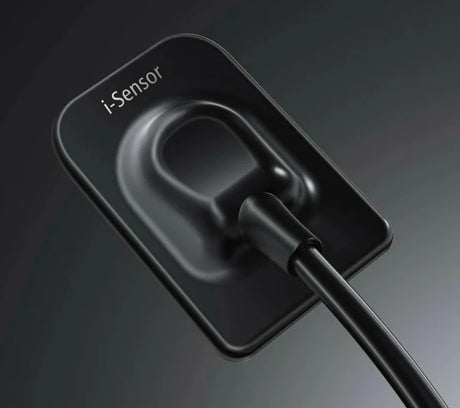
Woodpecker
Very low stock (2 units)Regular price LE 35,350.00 EGPUnit price /Unavailable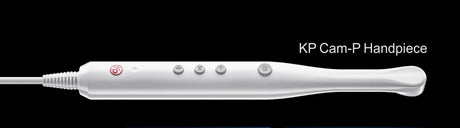
Kp KevinPeter
Very low stock (1 unit)Regular price LE 8,500.00 EGPUnit price /Unavailable
Monitex
Monitex moniCAM PX-130+ Intraoral Camera
Low stock (17 units)Regular price LE 11,000.00 EGPUnit price /Unavailable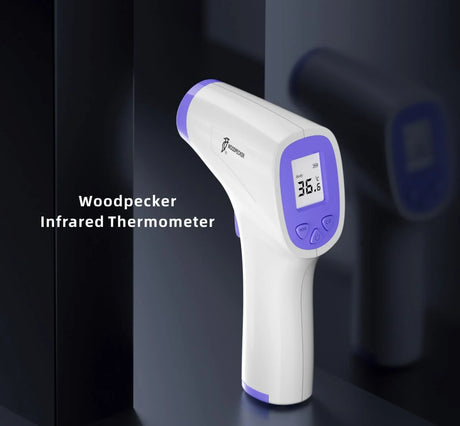
Woodpecker
Woodpecker Infra-red thermometer
Very low stock (4 units)Regular price LE 770.00 EGPUnit price /UnavailableKp KevinPeter
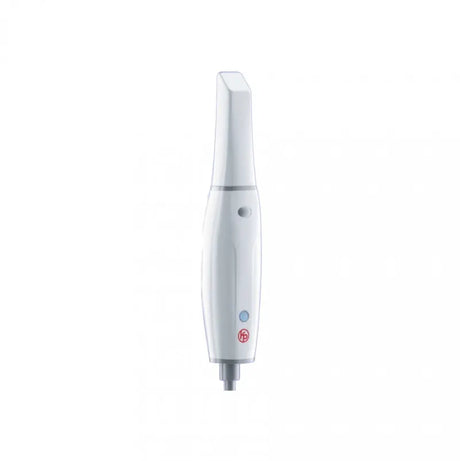
KP Smile2 Scan Intraoral Scanner
Very low stock (4 units)Regular price LE 125,000.00 EGPUnit price /Unavailable-
Woodpecker
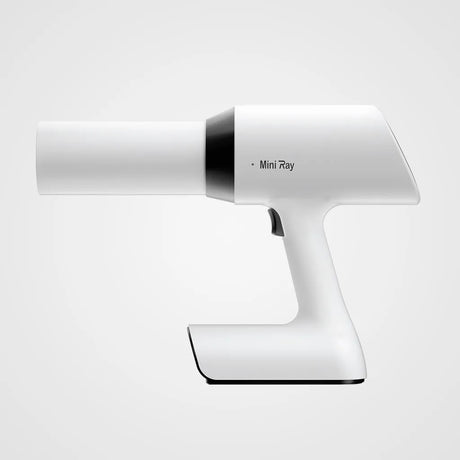
Woodpecker Mini Ray portable X-Ray
Very low stock (3 units)Regular price LE 34,750.00 EGPUnit price /Unavailable- 26% off
Fussen
Fussen S6500 IntraOral scanner
Low stock (10 units)Sale price LE 125,000.00 EGP Regular price LE 170,000.00Unit price /Unavailable -

Monitex
Monitex moniCAM PM-One Intraoral Camera
Low stock (20 units)Regular price LE 32,550.00 EGPUnit price /Unavailable
Monitex
Monitex moniCAM PM-160 Intraoral Camera
Low stock (20 units)Regular price LE 12,600.00 EGPUnit price /Unavailable
Monitex
Monitex TriCAM CX560 Intraoral Camera
Low stock (20 units)Regular price LE 29,400.00 EGPUnit price /Unavailable
Runyes
Runyes 3ds V5 Intraoral Scanner
Low stock (10 units)Regular price LE 220,000.00 EGPUnit price /Unavailable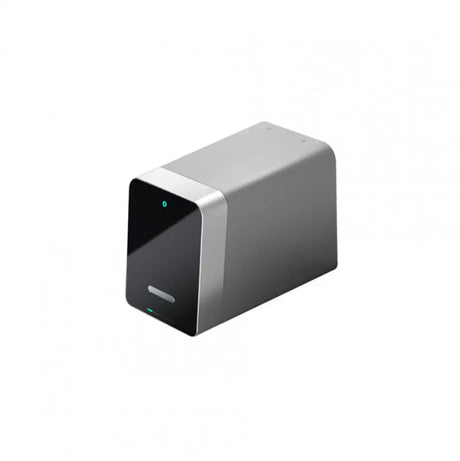 8% off
Woodpecker
Woodpecker Free Scan PSP Scanner
Very low stock (5 units)Sale price LE 175,000.00 EGP Regular price LE 190,000.00Unit price /Unavailable
De gotzen
De gotzen Xgenus X Ray DC 0.7 wall mounted
Very low stock (2 units)Regular price LE 97,500.00 EGPUnit price /UnavailableDe gotzen
De gotzen Unity X Ray DC 0.4 wall mounted
Very low stock (2 units)Regular price LE 155,590.00 EGPUnit price /Unavailable-

Acteon
Acteon X Mind intraoral X-ray system
Very low stock (5 units)Regular price LE 95,000.00 EGPUnit price /Unavailable




How to Choose Dental Imaging and Diagnostics Equipment for Your Practice
- Sensor type and size — CMOS sensors come in ISO sizes 0 (paediatric), 1 (anterior), and 1.5 or 2 (posterior). Active area determines root coverage per exposure; CMOS typically achieves 20–25 lp/mm — confirm this specification before purchasing.
- Image resolution and bit depth — 12-bit or 16-bit greyscale depth is required for reliable digital subtraction radiography. Sensors rated below 15 lp/mm lack the detail needed for accurate endodontic working length confirmation.
- Software compatibility — Verify TWAIN/WIA driver compatibility with your practice software (Romexis, Sidexis, Ez Dent-i, or DICOM-compliant). Software incompatibility is the most frequent reason imaging systems are returned in the Egyptian market.
- Intraoral camera quality — For patient case presentation, 1080p at 30 fps is the minimum standard. Side-illumination LED arrays reduce specular glare on wet mucosa compared to front-facing ring lights alone.
- Radiation dose management — Digital sensors reduce exposure 60–80% vs F-speed film. PSP plates achieve comparable dose reduction with greater placement flexibility but add 30–60 seconds per image for scanning.
- Egyptian clinic durability — IP54 or higher splash resistance is essential. Summer temperatures exceeding 38°C accelerate cable degradation — confirm sensor cable availability from the local Egyptian distributor before purchase.
Dental Imaging Technology Comparison
| Technology | Resolution | Speed | Best Application | EGP Range |
|---|---|---|---|---|
| CMOS Digital Sensor | 20–25 lp/mm | Instant | Periapical, bitewing | 25,000–50,000 |
| PSP Plate System | 18–22 lp/mm | 30–60 sec scan | Flexible coverage | 8,000–25,000 |
| Intraoral Camera | 2MP–5MP | Instant (live) | Case documentation | 5,000–15,000 |
| Panoramic OPG | Full arch | Instant | Ortho, implant planning | 100,000–300,000 |
| CBCT | 0.1–0.4 mm voxel | Instant | Surgical, implant, endo | 400,000+ |
Availability & Delivery in Egypt
MedSTA supplies dental imaging and diagnostics systems to clinics across Egypt — Cairo, Giza, Alexandria, Mansoura, and all governorates — with EGP pricing and fast delivery. Digital sensors and intraoral cameras are stocked for same-week dispatch; panoramic and CBCT systems are sourced on order. Store sensor units away from direct sunlight and above 35°C to protect electronic components during Egyptian summer months.
Frequently Asked Questions
What is the difference between a digital X-ray sensor and a phosphor plate (PSP) system for dental radiology?
What is the difference between a digital X-ray sensor and a phosphor plate (PSP) system for dental radiology?
Digital X-ray sensors (CMOS/CCD) connect directly to a computer and display images within 2–5 seconds of exposure. PSP plates require scanning in a dedicated reader, adding 30–60 seconds per image but offering more flexible sizing for difficult intraoral positions. CMOS sensors achieve 20–25 lp/mm versus 18–22 lp/mm for PSP — for endodontic working length accuracy, a CMOS sensor is the clinical preference.
What resolution should a dental digital sensor have for accurate endodontic diagnostics?
What resolution should a dental digital sensor have for accurate endodontic diagnostics?
A minimum of 20 lp/mm is required to reliably visualise file tips at the apical foramen. The Woodpecker i-Sensor achieves 25 lp/mm, providing detail adequate for working length confirmation, obturation quality assessment, and post-treatment review. Sensors rated below 15 lp/mm are not clinically adequate for endodontic accuracy.
Are intraoral cameras required by Egyptian dental clinic regulations?
Are intraoral cameras required by Egyptian dental clinic regulations?
Intraoral cameras are not currently mandated by Egyptian dental licensing authorities, but are increasingly expected in teaching hospitals and specialist clinics for case documentation. They improve patient acceptance of treatment plans by showing real-time images of carious lesions and fractured cusps. Entry-level 1080p cameras starting at 5,000–8,500 EGP offer an accessible starting point for Egyptian private practices.
How does Egyptian electrical voltage instability affect dental imaging equipment?
How does Egyptian electrical voltage instability affect dental imaging equipment?
Egyptian mains supply operates at 220V/50Hz but voltage fluctuations of ±15% are common during summer peak demand. Digital sensors connected via USB are relatively tolerant of minor fluctuations, but the imaging workstation PC is vulnerable. An online UPS with voltage regulation is standard protection for dental imaging workstations in Egyptian clinics and protects the sensor interface card from irregular current spikes.
Does MedSTA supply dental imaging and diagnostics equipment across all Egyptian governorates?
Does MedSTA supply dental imaging and diagnostics equipment across all Egyptian governorates?
MedSTA delivers dental imaging and diagnostics equipment to all Egyptian governorates including Cairo, Giza, Alexandria, Mansoura, Assiut, and Upper Egypt. Digital sensors and intraoral cameras are stocked for immediate dispatch; panoramic and CBCT systems are available on order with 2–4 week lead times and installation coordination. EGP pricing applies to all imaging systems.