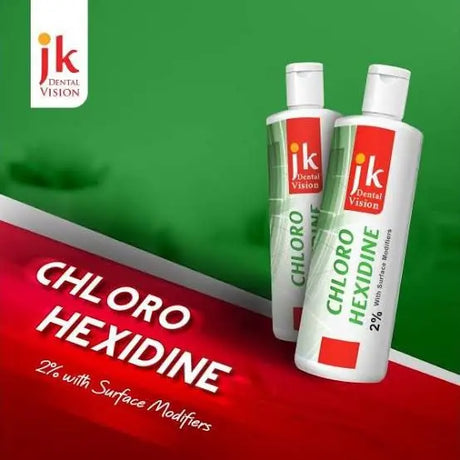
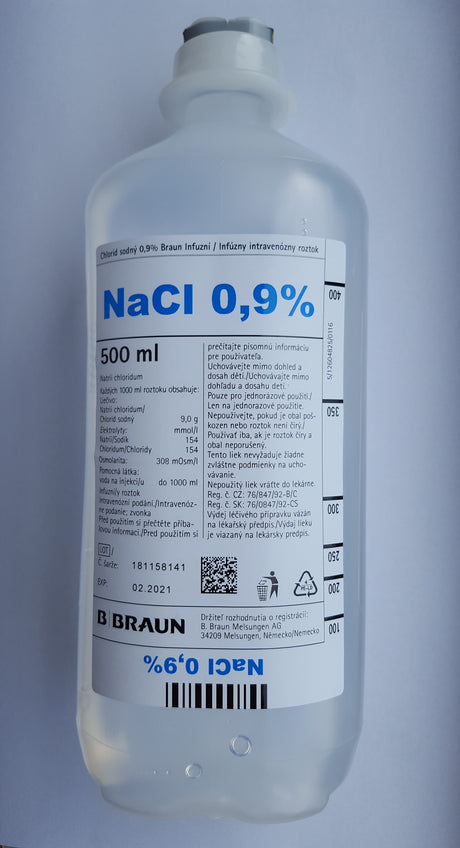
In the pursuit of biological success in root canal therapy, the Irrigation Material & System serves as the primary chemical debridement agent, reaching areas of the root canal system that mechanical instrumentation cannot. Because complex canal morphologies, such as isthmuses, lateral canals, and deltas, harbor persistent bacteria, the choice of a high-standard irrigation material & system is critical for achieving total disinfection. At MedSTA, we offer a comprehensive selection of irrigants and delivery tools, including sodium hypochlorite, EDTA, and side-vented needles. As an essential part of our Endodontic Supplies portfolio, these systems are designed to ensure the complete removal of the smear layer and the elimination of biofilm, providing the clean environment necessary for a successful, long-term apical seal.
How to Choose the Right Irrigation Material & System for Your Practice
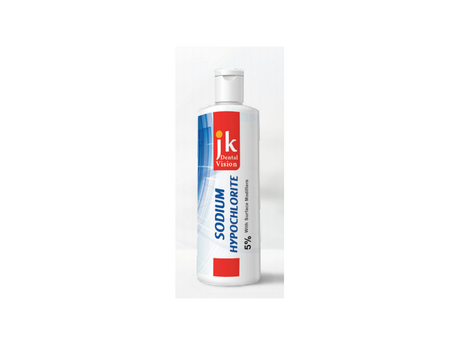
Sodium Hypochlorite (NaOCl) Concentration: For effective tissue dissolution and antimicrobial action, choose Irrigation Material & System components that utilize NaOCl in concentrations between 3% and 5.25%. This range is the clinical standard for dissolving organic matter and killing resistant strains like Enterococcus faecalis.
Side-Vented Needle Gauge (30G/31G): Prioritize needles that feature a side-vented or closed-end design. This is a vital safety specification for an Irrigation Material & System, as it directs the flow of the liquid laterally rather than apically, significantly reducing the risk of a "sodium hypochlorite accident" or apical extrusion.
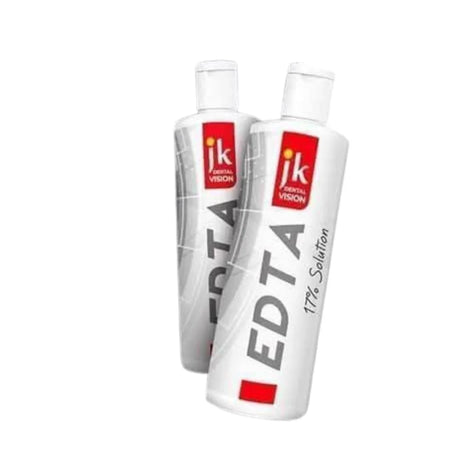
EDTA (17%) for Smear Layer Removal: Ensure your Irrigation Material & System includes 17% Ethylenediaminetetraacetic acid (EDTA). While NaOCl handles organic debris, EDTA is technically necessary to chelate the inorganic smear layer, opening the dentinal tubules for better sealer penetration.
Luer-Lock Syringe Security: Opt for Irrigation Material & System syringes with a Luer-lock connection. This threaded mechanism ensures that the needle stays securely attached to the syringe under pressure, preventing accidental disconnection during the high-volume flush required in posterior teeth.
Ultrasonic or Sonic Activation Compatibility: Select an Irrigation Material & System that is compatible with active agitation. Activating the irrigant with sonic or ultrasonic tips creates acoustic streaming and cavitation, which significantly improves the cleaning efficiency in complex canal anatomies compared to passive irrigation alone.