

GENERIC
In stock (46 units)Regular price LE 40.00 EGPUnit price /Unavailable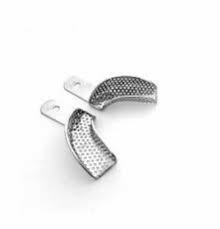
GENERIC
Dental ALUMINIUM Sectional TRAYS
In stock (39 units)Regular price LE 10.00 EGPUnit price /Unavailable 7% off
GENERIC
Very low stock (6 units)Sale price LE 1,950.00 EGP Regular price LE 2,099.00Unit price /Unavailableoverfibers
In stock (76 units)Regular price LE 135.00 EGPUnit price /Unavailable-

GENERIC
Very low stock (7 units)Regular price LE 120.00 EGPUnit price /Unavailable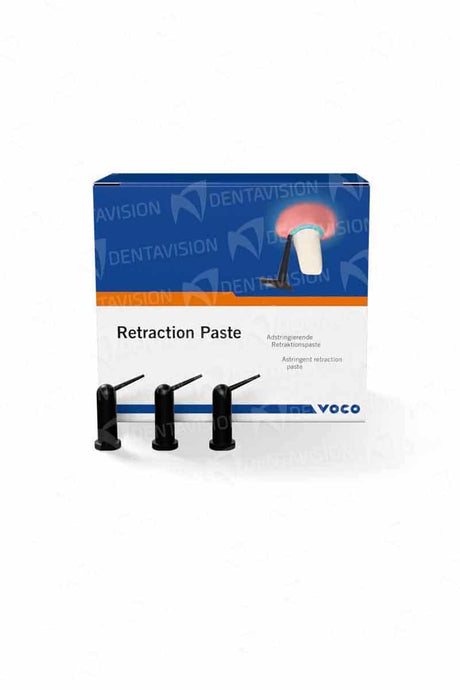 15% off
Voco
Very low stock (4 units)Sale price LE 179.00 EGP Regular price LE 210.00Unit price /Unavailable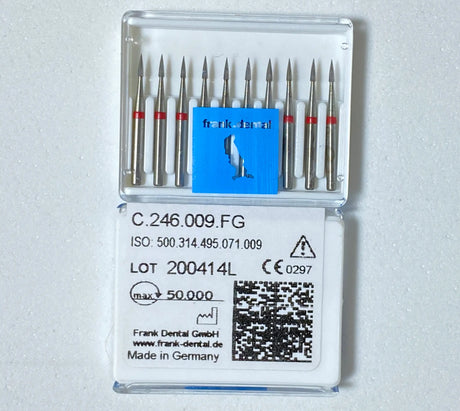
Frank Dental
Franke Dental C.246.009.FG HIGH SPEED - CARBIDE FINISHING FOR COMPOSITE - ORTHO
In stock (47 units)Regular price From LE 150.00 EGPUnit price /Unavailable
Frank Dental
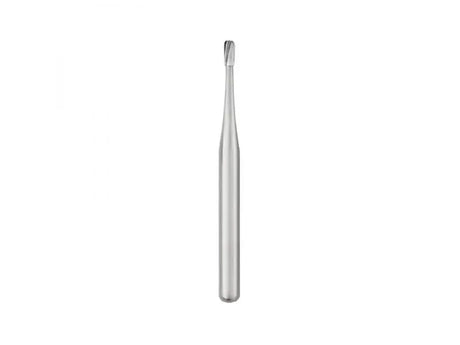
Frank HIGH SPEED Diamond END CUT FOR FINISH LINE FOR -1 pcs
Very low stock (3 units)Regular price LE 90.00 EGPUnit price /UnavailableGENERIC
In stock (239 units)Regular price From LE 20.00 EGPUnit price /Unavailable-
Centrix
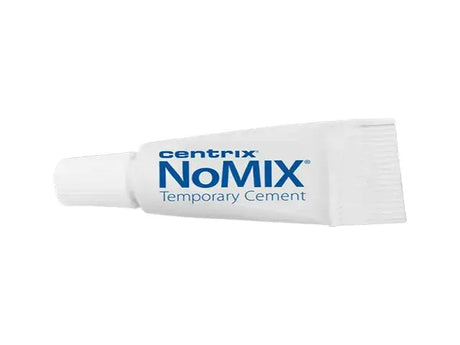
Centrix Nomix Temporary Cement 0.5 g tube
In stock (181 units)Regular price LE 95.00 EGPUnit price /Unavailableincidental
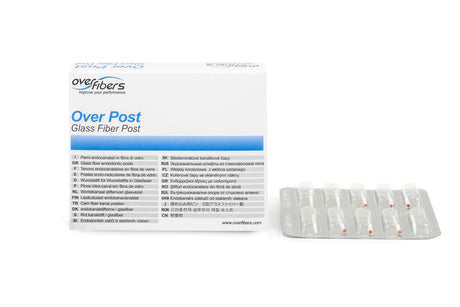
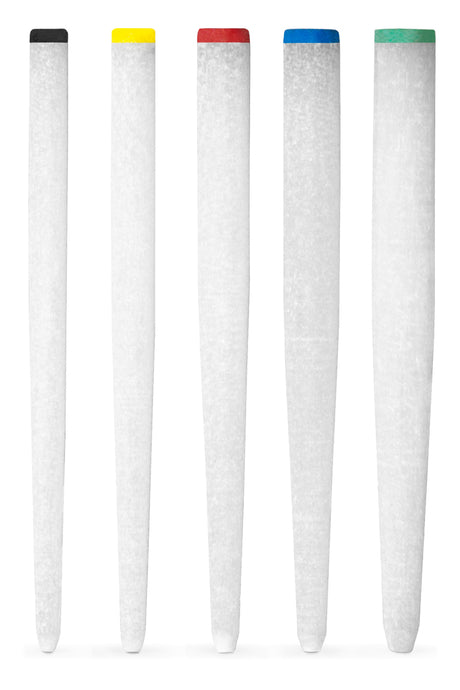
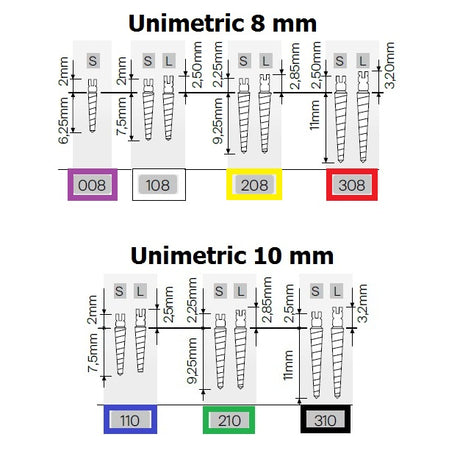
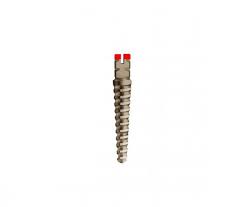
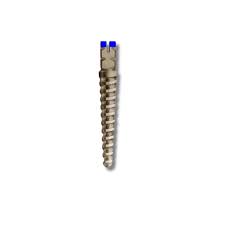
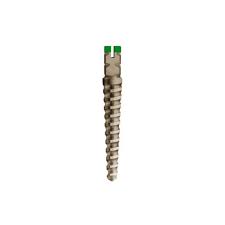
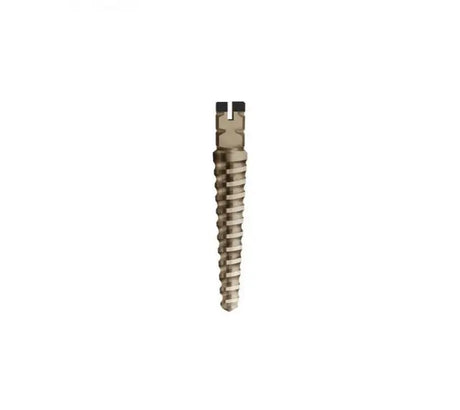
ENDOART FIBRE POST REFILL 1 PCS
Low stock (10 units)Regular price LE 35.00 EGPUnit price /Unavailable-
GENERIC
In stock (21 units)Regular price LE 50.00 EGPUnit price /Unavailable 6% off
GENERIC
Very low stock (6 units)Sale price LE 239.00 EGP Regular price LE 255.00Unit price /Unavailable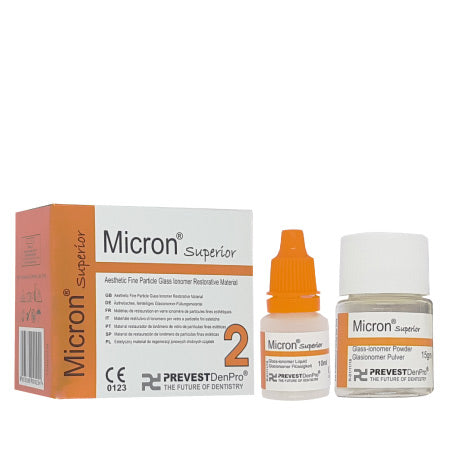
prevest Denpro
Prevest Micron II Superior Glass Ionomer Cement and Filling 15 g powder + 10ml Liquid
Very low stock (3 units)Regular price LE 560.00 EGPUnit price /Unavailable- Up to 10% off
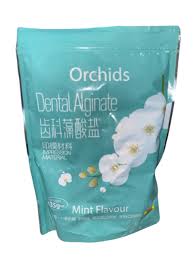
Orchids
In stock (32 units)Sale price LE 148.50 EGP Regular price LE 165.00Unit price /Unavailable -
GENERIC
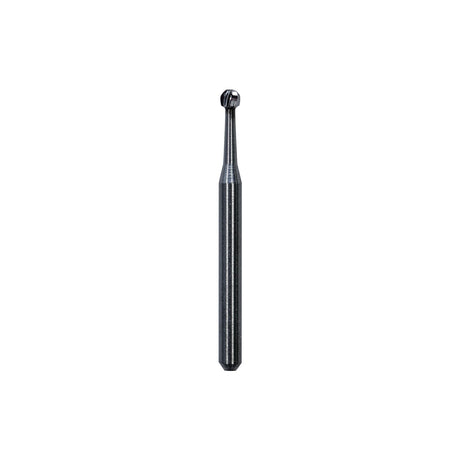
Highspeed Round Carbide Bur FG-3
In stock (44 units)Regular price LE 40.00 EGPUnit price /Unavailable






How to Choose Prosthodontic Supplies for Accurate Restorations
- PVS vs polyether impression materials — Polyvinylsiloxane (PVS) impression materials offer superior dimensional stability (set expansion <0.1%) and long working times suitable for full-arch cases, but require surface-active agents to overcome hydrophobicity at subgingival margins. Polyether materials are inherently hydrophilic and capture finer detail at moist margins but have shorter working times and require faster pouring — a consideration in Egyptian labs working at ambient temperatures above 25°C.
- Dual-cure vs self-curing resin cements — Dual-cure resin cements (light-activated + chemical cure) are the standard for all cementation where light penetration through the restoration is limited — including zirconia, full-metal crowns, and dark-stump situations. For translucent ceramic veneers and thin ceramic overlays, light-cure-only cements are acceptable, as light penetration is reliable. Always use the cement manufacturer's recommended adhesive and primer for each substrate.
- MDP monomer in zirconia primers — 10-MDP (methacryloyloxydecyl dihydrogen phosphate) is the chemically active monomer that forms a direct bond with the metal-oxide surface of zirconia and alumina restorations. Zirconia primers without MDP (e.g. silane-only primers) do not bond to zirconia and will fail. Confirm the primer contains 10-MDP or equivalent phosphate monomer before use with zirconia crowns.
- CAD/CAM block material selection — Lithium disilicate blocks (e.max CAD) offer high flexural strength (~360 MPa crystallised) and excellent aesthetics for anterior crowns and veneers. Zirconia blocks (3Y-TZP, ~900–1,200 MPa) are preferred for high-stress posterior regions or bridge frameworks. PMMA and composite blocks are used for provisional restorations in chairside same-day workflows.
- Shade guide accuracy in Egyptian clinic conditions — Shade selection should be performed in natural or colour-corrected clinical lighting, not under standard dental unit halogen light. In Egyptian clinics with variable natural light, a calibrated LED shade-matching light is the most reliable tool for communication with the dental laboratory, reducing remake rates from shade discrepancy.
Prosthodontic Product Categories at a Glance
| Category | Key Products | Clinical Application |
|---|---|---|
| Impression Materials | PVS, VPES, polyether, alginate | Crown, bridge, denture impressions |
| Luting Cements | Dual-cure resin, GIC, zinc phosphate | Crown, bridge, post cementation |
| CAD/CAM Blocks | Zirconia, e.max, PMMA, composite | Digital indirect restorations |
| Primers & Adhesives | MDP zirconia primer, silane, porcelain etch | Ceramic and metal bonding |
| Posts & Cores | Glass fiber post, metal post, core build-up | Endodontically treated teeth |
Availability & Delivery in Egypt
MedSTA stocks a full range of prosthodontic supplies priced in EGP. Delivery covers Cairo and Giza within 24–48 hours and all other Egyptian governorates within 3–5 working days. Temperature-sensitive impression materials (particularly polyether) are packaged for climate protection during Egyptian summer transit.
Frequently Asked Questions
What is the difference between PVS and polyether impression materials?
What is the difference between PVS and polyether impression materials?
Polyvinylsiloxane (PVS) impression materials offer superior dimensional stability and long working times, but are inherently hydrophobic — requiring retraction and moisture control to capture subgingival detail. Polyether materials are intrinsically hydrophilic and flow more readily into moist sulcular environments, but have significantly shorter working times (2–3 minutes at 25°C) and stiffen more rapidly in the tray. In Egyptian clinics where ambient temperatures routinely exceed 25–30°C, polyether working time shortens further, making PVS the more predictable choice for full-arch cases unless a rapid-set polyether system with an extended mixing tip is used.
Which dual-cure resin cement should I use for a full-contour zirconia crown?
Which dual-cure resin cement should I use for a full-contour zirconia crown?
For full-contour zirconia crowns, a dual-cure MDP-containing resin cement (e.g. Panavia SA Plus, RelyX Universal, Variolink Esthetic DC) is the clinical standard. The cement must contain 10-MDP monomer to chemically bond to the zirconia surface — silane-only cements are not effective on zirconia. Prior to cementation, the intaglio surface should be cleaned ultrasonically and dried; sandblasting with 50 μm alumina at 1–2 bar improves bond strength further. Zinc phosphate and glass ionomer cements are not recommended for full-contour zirconia restorations due to inadequate long-term retention.
How do I choose between a glass fiber post and a metal post for a post-endodontic restoration?
How do I choose between a glass fiber post and a metal post for a post-endodontic restoration?
Glass fiber posts (flexural modulus approximately 20–40 GPa, close to dentine's 18 GPa) are the current evidence-based standard for most post-endodontic restorations. Their modulus similarity to dentine reduces the risk of vertical root fracture compared to rigid metal posts (stainless steel ~200 GPa, cast gold ~100 GPa). Metal posts are still indicated when the remaining radicular dentine is very thin and a high-strength post is needed to prevent root fracture, or in cases where the canal is very narrow or curved and fiber post placement is technically difficult. Titanium passive posts offer a middle ground.
What is 10-MDP monomer and why is it essential when bonding to zirconia?
What is 10-MDP monomer and why is it essential when bonding to zirconia?
10-MDP (methacryloyloxydecyl dihydrogen phosphate) is a bifunctional phosphate monomer that simultaneously bonds to dental resin matrices (via its methacrylate group) and to metal oxide surfaces including zirconia, alumina, and titanium (via its phosphate group). Without MDP, conventional silane-based primers do not achieve a meaningful chemical bond to zirconia because silane reacts with silica groups that are absent on the crystalline zirconia surface. Zirconia-specific primers or universal adhesives confirmed to contain 10-MDP are therefore mandatory for resin cementation of zirconia restorations to achieve long-term retention.
How does Egyptian summer heat affect prosthodontic materials during storage?
How does Egyptian summer heat affect prosthodontic materials during storage?
Egyptian summer ambient temperatures (35–45°C) significantly impact several prosthodontic materials. Impression materials — particularly polyether — increase uptake rate and reduce working time at elevated temperatures; store in an air-conditioned room below 25°C. Silicone PVS putty can undergo partial premature polymerisation if stored above 30°C, compromising mix consistency. Resin cement cartridges stored above 25°C may have reduced shelf life and altered viscosity. Zirconia primers and silane agents should be refrigerated (2–8°C) or at minimum stored below 25°C to prevent evaporation of the volatile alcohol solvent base. MedSTA delivers temperature-sensitive prosthodontic materials in climate-protective packaging during Egyptian summer.