
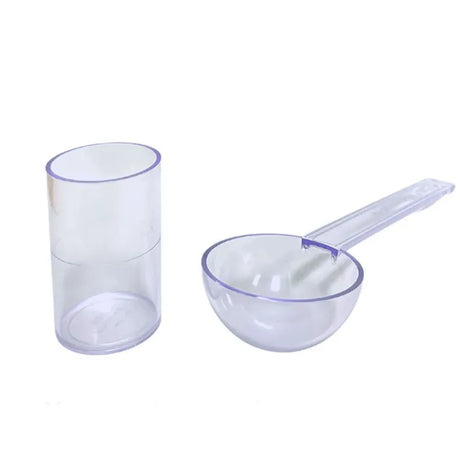
GENERIC
In stock (49 units)Regular price LE 30.00 EGPUnit price /Unavailable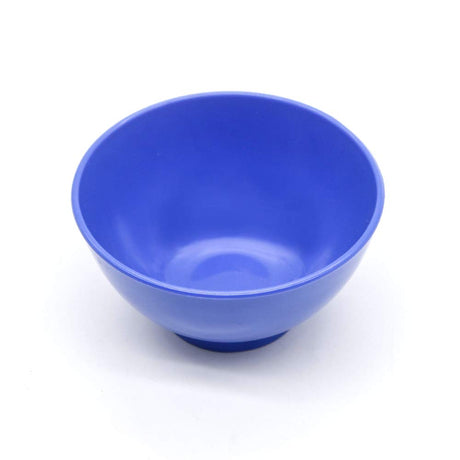
GENERIC
Dental Rubber Mixing Bowl Flexible Reusable for Alginate, Plaster and Stone
Low stock (16 units)Regular price LE 19.00 EGPUnit price /Unavailable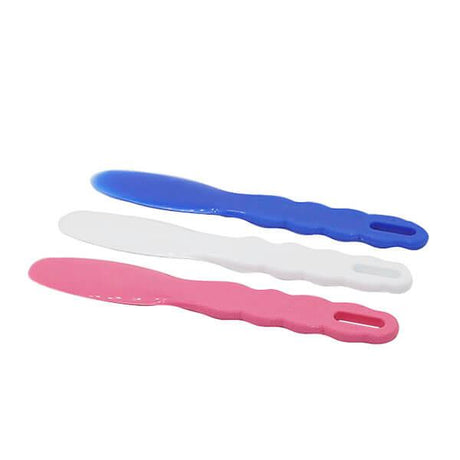
GENERIC
plastic spatula dental Alginate
In stock (100 units)Regular price LE 8.00 EGPUnit price /Unavailable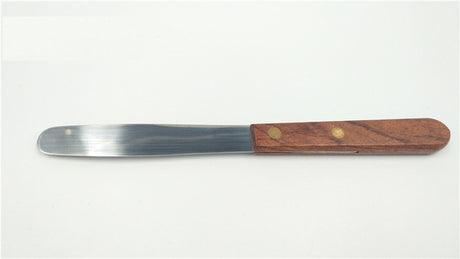
GENERIC
Metal ZOE Zinc Oxide Eugenol Mixing Spatula
In stock (74 units)Regular price LE 25.00 EGPUnit price /Unavailable
How to Choose the Right Mixing Cups and Spatulas for Your Practice
- Bowl Material and Flexibility — Rubber bowls with Shore A hardness of 40–60 allow sufficient flexion to invert and expel set material, while bowls below 40 Shore A deform too easily during spatulation. For high-volume gypsum mixing, choose a bowl of at least 500 mL capacity to prevent splash during energetic mixing of type III or type IV dental stone.
- Spatula Blade Material — Polypropylene plastic spatulas resist staining from colored alginates but flex excessively when mixing dense stone mixes. Stainless steel blades (AISI 304 or 316 grade) provide consistent force for thick plaster and ZOE pastes. Crucially, dedicate separate spatulas for ZOE-based materials: even 1 ppm of ZOE residue inhibits addition-silicone polymerization, causing an uncured surface on the impression.
- Blade Flexibility vs Rigidity — A medium-flex blade (approximately Shore D 70–80) provides versatility across heavy-body and light-body mixing tasks. Stiffer blades are preferred for type IV dental stone spatulation; more flexible blades reduce clinician fatigue during extended alginate preparation sessions in high-throughput Egyptian clinics.
- Measuring Cup Calibration and Powder-Water Ratio — Alginate manufacturer guidelines typically specify 2 scoops powder to 80 mL (±5%) water. Underfilling water extends working time and weakens elasticity; excess water delays set and reduces tear strength. Use a dedicated calibrated measuring cup rather than estimating volume, particularly in Egyptian clinic environments where ambient temperature can accelerate alginate set.
- Autoclavability vs Single-Use — Standard polypropylene spatulas and rubber bowls are not rated for 134°C prevacuum autoclave cycles and will deform. Stainless steel spatulas (AISI 304 and above) withstand full autoclave sterilization. Egyptian clinics complying with GAHAR infection-control guidelines should verify single-use vs. reusable status for each instrument type before procurement.
- Cross-Contamination Risk Between Materials — Maintain separate color-coded spatulas and bowls for: (1) alginate/plaster, (2) ZOE-based materials, and (3) addition-silicone. Mixing these in shared equipment introduces inhibition risk for silicones and altered working times for gypsum products.
Mixing Accessories at a Glance
| Instrument | Material | Best For | Sterilizable |
|---|---|---|---|
| Plastic spatula | Polypropylene | Alginate, ZOE paste | Single-use |
| Metal spatula | AISI 304 stainless | Alginate, stone, plaster | Yes (134°C autoclave) |
| ZOE mixing spatula | AISI 316 stainless | Zinc oxide eugenol only | Yes (134°C autoclave) |
| Alginate measuring scoop | Polypropylene | Powder portioning | Single-use |
| Rubber mixing bowl | Natural rubber | All impression materials | Limited — check manufacturer |
Delivery & Availability in Egypt
All mixing cups and spatulas on MedSTA are priced in EGP with nationwide delivery across Egypt. Orders within Cairo and Giza are typically fulfilled within 1–2 business days. Store rubber bowls away from direct sunlight; prolonged UV exposure degrades natural rubber elasticity, shortening the serviceable life of the bowl.
Frequently Asked Questions — Mixing Cups and Spatulas
What is the correct spatulation technique for dental alginate to avoid air incorporation?
What is the correct spatulation technique for dental alginate to avoid air incorporation?
Use a figure-eight spatulation pattern against the inside bowl wall at 1 to 2 strokes per second for 45 to 60 seconds. Avoid lifting the spatula above the bowl surface, which introduces air. Periodically press the mix against the bowl wall to collapse voids. Total spatulation from first powder-water contact should not exceed 60 to 90 seconds depending on the brand's recommended working time.
Can I use the same rubber bowl for addition-silicone and zinc oxide eugenol materials?
Can I use the same rubber bowl for addition-silicone and zinc oxide eugenol materials?
No. ZOE paste residue at even trace levels inhibits addition-silicone polymerization, leaving an uncured surface on the impression. Dedicate separate, color-coded bowls and spatulas for ZOE-based materials. This cross-contamination risk is particularly relevant in Egyptian clinics that mix multiple impression material types during a single session.
Are plastic alginate spatulas autoclavable for reuse in Egyptian dental clinics?
Are plastic alginate spatulas autoclavable for reuse in Egyptian dental clinics?
Standard polypropylene spatulas are not rated for 134°C prevacuum autoclave cycles and will deform. Stainless steel spatulas in AISI 304 or higher grade withstand full autoclave sterilization. Egyptian clinics following GAHAR infection-control standards should use single-use plastic spatulas or invest in autoclavable metal alternatives for consistently compliant workflows.
How do I remove set dental stone from a rubber mixing bowl?
How do I remove set dental stone from a rubber mixing bowl?
Allow the stone to fully set (approximately 20 to 30 minutes for type III gypsum), then flex the rubber bowl outward to fracture and dislodge the hardened mass. For residual gypsum stuck to the bowl walls, soak in a 10% citric acid solution for 10 to 15 minutes, which dissolves set gypsum without degrading rubber. Avoid using metal tools to scrape set stone, as they can tear the bowl.
What measuring cup size is correct for full-arch versus quadrant alginate impressions?
What measuring cup size is correct for full-arch versus quadrant alginate impressions?
Full-arch impressions typically require 70 to 80 grams of alginate powder, needing a mixing bowl of at least 500 mL for headspace during spatulation. Quadrant trays use 30 to 40 grams, manageable in a 250 mL bowl. Always follow the manufacturer's powder-to-water ratio using a calibrated measuring scoop. In warmer Egyptian clinic environments, use cold water to extend working time and compensate for heat-accelerated gelation.